
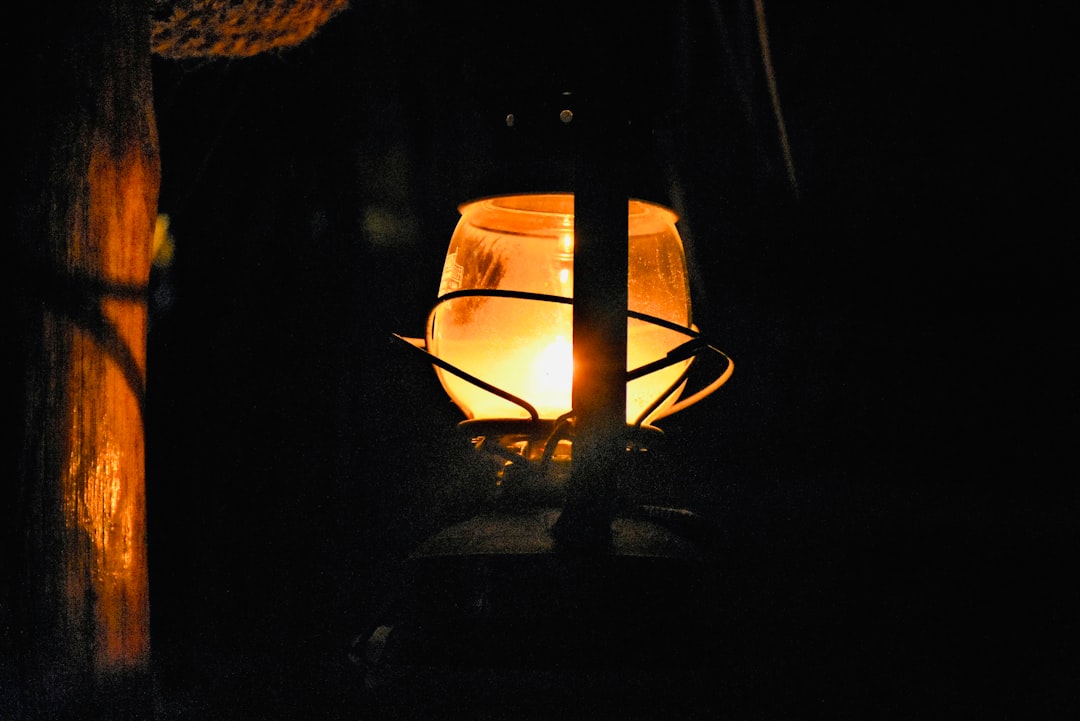
Rustic Chic Linen Wall Lamp: A Stylish Lighting Solution
The Rustic Chic Linen Wall Lamp represents a convergence of utilitarian design and aesthetic appeal. This article details its construction, applications, historical context, and potential impact on interior design, offering a factual overview for those considering its integration into a space.
The lamp’s design is characterized by a balance between natural materials and functional elements. Its core components include a linen shade, a mounting bracket, and an electrical fixture.
Linen Shade Composition
The linen shade, a defining feature, typically consists of woven flax fibers. These fibers imbue the shade with a distinct texture, often described as tactile and organic. The weave can vary, influencing light diffusion.
- Fabric Weight: The weight of the linen directly correlates with its opacity. Heavier weaves offer more subdued light, while lighter weaves permit greater illumination.
- Coloration: Natural linen colors range from ecru to beige. Dyes can introduce a spectrum of hues, though muted tones remain prevalent in rustic chic aesthetics.
- Frame Structure: The linen fabric is stretched over a rigid frame, often constructed from metal wire. This frame dictates the shade’s shape and provides structural integrity.
Mounting Bracket Materials
The bracket serves as the lamp’s anchor to the wall and often its primary aesthetic counterpoint to the softer linen. Common materials include various metals and occasionally reclaimed wood.
- Metal Options: Steel, brass, and wrought iron are frequently employed. Finishes can range from brushed to matte, or even patinated for an aged appearance.
- Wood Integration: When wood is used, it is often minimally processed to showcase its natural grain and imperfections, aligning with a rustic ethos. Sustainability considerations can influence wood sourcing.
- Attachment Mechanisms: Brackets are typically designed for secure wall attachment, often utilizing screws and wall anchors. The type of wall material (e.g., drywall, masonry) dictates the appropriate fastening method.
Electrical Components
Standard electrical components facilitate illumination. These include a bulb socket, wiring, and a switch mechanism.
- Bulb Socket: The socket accommodates various bulb types, with E26 and E27 being common standards. Consideration of bulb wattage and LED compatibility is important for energy efficiency.
- Wiring: Internal wiring connects the socket to the power source. Compliance with electrical safety standards is paramount for manufacturer reputation and consumer safety.
- Switch Mechanism: Options include an on-cord switch, a wall-mounted switch, or occasionally a built-in switch on the fixture itself. The choice often depends on installation preferences and desired accessibility.
Aesthetic Integration and Style
The Rustic Chic Linen Wall Lamp embodies a specific design philosophy. It is not merely a light source but an element that contributes to the overarching atmosphere of a room. Its aesthetic is characterized by a blend of natural textures, understated elegance, and a nod to traditional craftsmanship.
Core Principles of Rustic Chic
Rustic chic as a design movement emphasizes authenticity, comfort, and an appreciation for the imperfect. The lamp acts as a physical manifestation of these principles.
- Natural Materials: The prominence of linen and often raw metals or wood aligns directly with the movement’s emphasis on natural materials. This provides a tactile and visual connection to the natural world.
- Simplicity of Form: The lamp’s form is typically uncomplicated, shunning ornate embellishments in favor of clean lines and functional shapes. This simplicity contributes to its versatility.
- Warmth and Comfort: The diffused light emanating from a linen shade often casts a soft, inviting glow, contributing to a sense of warmth and comfort in a space. This contrasts with harsher, more direct lighting.
Complementary Design Elements
To achieve a cohesive interior, the lamp often pairs effectively with specific design elements. Consider its role as a puzzle piece fitting into a larger design mosaic.
- Textural Variety: Incorporating other natural textures, such as distressed wood furniture, woven rugs, or knit textiles, can enhance the lamp’s effect.
- Neutral Color Palettes: A backdrop of neutral colors (beiges, grays, whites, muted greens) allows the lamp to stand out without competing with overwhelming hues.
- Vintage or Handcrafted Accents: The lamp’s artisan appeal is often amplified by the presence of other handcrafted items, antiques, or vintage finds. This creates a narrative of curation rather than mass production.
Functional Applications
Beyond its aesthetic contribution, the Rustic Chic Linen Wall Lamp serves various practical functions in different areas of a dwelling or commercial space.
Task Lighting
While primarily ambient, certain installations can position the lamp to provide focused light for specific activities.
- Bedside Reading: Mounted on either side of a bed, the lamps offer localized illumination for reading without disturbing a partner. Articulating arms can enhance this functionality.
- Workspace Illumination: In a home office or craft area, it can provide supplemental light, reducing eye strain during detailed tasks. Positioning relative to the user is important.
- Hallway Ambiance: Spaced along a hallway, multiple lamps can offer a gentle alternative to overhead lighting, guiding movement and establishing a welcoming atmosphere.
Ambient Lighting
Its primary strength lies in its ability to contribute to the overall mood and brightness of a room. The linen shade acts as a natural diffuser, softening the light.
- Living Room Accents: Positioned strategically, these lamps can highlight artwork, architectural features, or simply contribute to a layered lighting scheme.
- Dining Area Softness: In a dining space, they can complement a central chandelier, providing softer illumination for a more intimate dining experience.
- Entryway Welcome: An entryway can benefit from the warm glow of such a lamp, creating an inviting first impression for guests.
Decorative Lighting
Even when not actively providing a primary light source, the lamp functions as a decorative object, contributing to the room’s visual interest.
- Architectural Enhancement: The lamp itself can break up vast wall spaces, adding a point of visual interest.
- Stylistic Reinforcement: Its presence reinforces the chosen rustic chic aesthetic, acting as a visual cue for the room’s overarching theme.
- Visual Balance: In a room with varying heights and dimensions, the lamp can contribute to visual balance, drawing the eye upwards or providing a mid-level focal point.
Installation and Maintenance
Proper installation ensures both safety and optimal performance. Regular maintenance preserves the lamp’s appearance and extends its lifespan.
Installation Procedure
While specific instructions vary by manufacturer, core principles of safe electrical installation apply. If you are not comfortable with electrical wiring, consult a qualified electrician.
- Power Disconnection: Always disconnect power at the circuit breaker before commencing any electrical work. This is a non-negotiable safety step.
- Location Selection: Choose a location that considers both aesthetic placement and proximity to existing electrical wiring or a power outlet.
- Mounting the Bracket: Securely attach the mounting bracket to the wall using appropriate hardware for your wall type. Ensure it is level and capable of supporting the lamp’s weight.
- Wiring Connection: Connect the lamp’s wires to the wall’s electrical wires, observing polarity (hot to hot, neutral to neutral, ground to ground). Use wire nuts to secure connections.
- Attaching the Fixture: Secure the lamp body to the mounting bracket.
- Bulb Insertion and Testing: Insert the appropriate bulb and restore power to test the lamp’s functionality.
Cleaning and Care
Regular cleaning and maintenance contribute to the lamp’s longevity and performance. Different materials require specific care.
- Linen Shade Cleaning:
- Dusting: Periodically dust the shade with a soft brush or a vacuum cleaner with a brush attachment.
- Spot Cleaning: For minor marks, gently blot with a damp cloth and mild detergent. Avoid oversaturating the fabric.
- Deep Cleaning: For more significant stains, consider professional dry cleaning of the shade if removable, or follow manufacturer guidelines.
- Metal Components:
- Dusting: Wipe metal parts with a dry, soft cloth to remove dust.
- Polishing: For polished metals, occasional polishing with a suitable metal polish can restore luster. For matte or patinated finishes, avoid polishing to preserve the intended aesthetic.
- Electrical Safety: Routinely inspect wiring for fraying or damage. Ensure the bulb wattage does not exceed the fixture’s stated maximum.
Historical Context and Evolution
The Rustic Chic Linen Wall Lamp, while contemporary in its branding, draws upon historical precedents in lighting and interior design. It represents an evolution, not an invention ex nihilo.
Influences from Traditional Lighting
Before the advent of widespread electricity, wall-mounted light sources were common. These early fixtures often utilized rudimentary materials and served purely functional roles.
- Sconces: Historically, sconces held candles or oil lamps. Their purpose was to provide ambient light and illuminate specific areas. The modern wall lamp can be seen as a direct descendant.
- Craftsmanship: Early lighting often involved artisanal skills, a quality echoed in the “chic” aspect of the present-day lamp, emphasizing thoughtful design over mass-produced homogeneity.
The Rise of Rustic Elements in Design
The “rustic” component reflects a cyclical return to natural aesthetics and a reaction against industrialization or overly ornate styles.
- Arts and Crafts Movement: This late 19th-early 20th-century movement emphasized craftsmanship, natural materials, and simplicity, rejecting industrial mass production. Its principles resonate in the modern rustic chic aesthetic.
- Farmhouse and Country Revivals: Throughout the 20th and 21st centuries, various design trends have embraced elements of rural living, often valuing unpolished textures and practical forms.
Contemporary Adaptation
The “chic” aspect signifies a refinement and modernization of these rustic and traditional influences. It is a deliberate stylistic choice, not merely an unadorned utility.
- Material Blending: The combination of linen, often a traditional textile, with contemporary metal finishes or minimalist forms creates this chic tension.
- Design Democratization: What might once have been bespoke or regional is now accessible through contemporary manufacturing, allowing a broader audience to incorporate these aesthetics.
- Sustainability Consciousness: The emphasis on natural materials often aligns with contemporary desires for more environmentally conscious consumer choices, though the extent varies by manufacturer.
By understanding its construction, aesthetic principles, functional utility, and historical roots, you can make an informed decision regarding the integration of a Rustic Chic Linen Wall Lamp into your environment. Its presence often serves as both an anchor for design schemes and a warm, inviting beacon.
