Elegant Lighting: Classic Hotel-Style Fabric Shaded Sconce
This article discusses the design, functionality, and historical context of fabric-shaded wall sconces, often characterized as “hotel-style.” These fixtures, prominent in hospitality settings for decades, offer a distinct aesthetic and lighting quality that has seen renewed interest in residential and commercial spaces.
The fabric-shaded sconce, particularly the style commonly found in hotels, did not emerge in a vacuum. Its roots can be traced back to earlier forms of decorative wall lighting, evolving alongside advancements in fixture design and the prevailing architectural and interior design trends.
Early Wall Lighting and Proto-Sconces
Before the widespread adoption of electricity, wall lighting was primarily achieved through candles or gas lamps Guffco mounted on brackets. These early fixtures, often made of metal or wood, served a functional purpose of providing illumination or as decorative elements. The concept of a sconce, a bracket projecting from the wall to hold a light source, existed in various forms throughout history, from ancient Roman wall lamps to elaborate Renaissance designs. These early iterations, however, lacked the refined fabric shade that would become a hallmark of the later hotel sconce.
The Advent of Electricity and its Impact on Fixture Design
The widespread availability of electricity in the late 19th and early 20th centuries revolutionized interior lighting. This technological shift allowed for the development of entirely new fixture types, moving away from the inherent dangers and limitations of open flames. Designers could now experiment with enclosed light sources, leading to the creation of lampshades and diffusers. The electric bulb offered a consistent and controllable light source, enabling manufacturers to focus on the aesthetic and functional aspects of the fixture itself.
Rise of Hospitality and the “Hotel Style”
The growth of the hotel industry, particularly during the late 19th and early 20th centuries, played a crucial role in popularizing specific lighting styles. Hotels, as establishments aiming to convey a sense of comfort, luxury, and sophistication to travelers, became testing grounds for interior design trends. Lighting was a critical element in achieving this atmosphere. Designers sought fixtures that provided a soft, ambient glow, minimizing glare and creating an inviting environment. The fabric-shaded sconce, with its ability to diffuse light and its often ornate yet restrained design, proved ideal for hotel corridors, guest rooms, and lobbies. These fixtures became a visual shorthand for hotel design, embodying a sense of understated elegance.
The Role of Art Deco and Mid-Century Modernism
While the “hotel style” sconce predates specific design movements, it found particular expression within the Art Deco and Mid-Century Modern eras. Art Deco sconces often featured geometric patterns, rich materials like brass and bronze, and tautly draped fabric shades. Mid-century designs, while sometimes simpler, continued to utilize fabric shades for their diffusion qualities, often paired with clean lines and functional forms. These movements, widely adopted in both public and private spaces, further cemented the fabric-shaded sconce’s association with stylish interiors.
Transition to Residential and Commercial Spaces
As design trends filtered from hospitality to residential and commercial interiors, the fabric-shaded sconce followed. Homeowners seeking to replicate the ambiance of a hotel room or to incorporate a classic design element began to adopt these fixtures. Similarly, other commercial spaces, such as restaurants, theaters, and boutique shops, found the sconce to be a practical and aesthetically pleasing lighting solution. The appeal lay in its ability to provide directional or ambient light without dominating the space, acting as a quiet, effective contributor to the overall design.
Design Characteristics and Materials
The defining features of a classic hotel-style fabric-shaded sconce lie in its construction, material choices, and the interplay of form and function. These elements contribute to its enduring appeal and its ability to create a specific lighting ambiance.
The Fabric Shade: Diffuser and Decorative Element
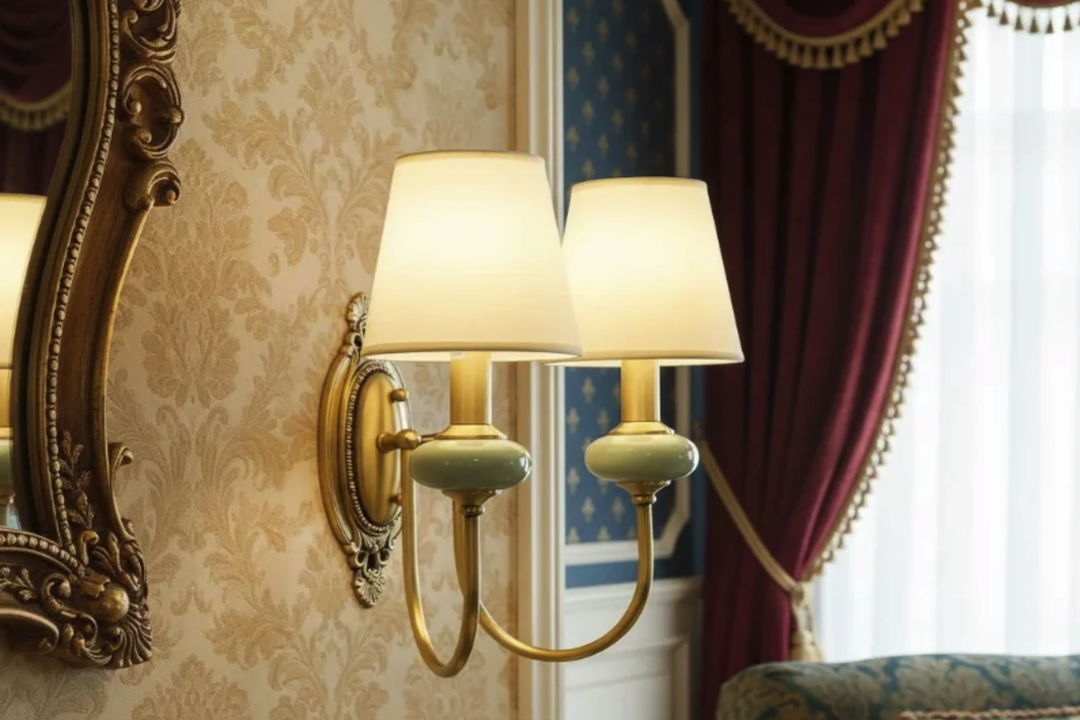
The fabric shade is arguably the most recognizable component of this type of sconce. Far from being a mere covering, it serves as the primary diffuser of light.
Material Options for Shades
A range of fabrics has been employed for these shades, each contributing to the light quality and aesthetic.
- Linen Blends: Often chosen for their natural texture and ability to produce a soft, diffused light. Linen’s subtle weave can add a touch of organic warmth.
- Silk and Silk Blends: Offer a more luxurious feel and a finer diffusion. Silk can refract light in a way that creates a gentle sheen.
- Opaque Fabrics: While less common for ambient diffusion, some styles utilize opaque fabrics with decorative perforations or cutouts, allowing light to escape in specific patterns.
- Synthetic Fabrics: Modern interpretations may utilize synthetic blends that offer durability and easier maintenance while mimicking the look of natural fibers.
The construction of the shade is also important. Shades are typically mounted on a frame, often made of metal, and designed to be easily removable for cleaning or replacement. The shape of the shade can vary, from cylindrical and tapered to bell-shaped or more angular forms.
Light Diffusion and Ambiance
The translucent nature of most fabric shades softens the intensity of the light bulb, preventing harsh shadows and creating a more even illumination. This diffusion is crucial for establishing a welcoming and comfortable atmosphere, a key requirement in hospitality settings. The color of the fabric also plays a significant role. Lighter fabrics will generally allow more light to pass through, while darker shades will absorb more light, resulting in a dimmer, more intimate glow.
The Sconce Arm and Body: Structure and Style
The arm and body of the sconce provide the structural support and contribute significantly to its overall style.
Material Diversity in Metalwork
The metal components of the sconce are typically crafted from a variety of materials, each lending a different character.
- Brass: A perennial favorite, brass offers a warm, classic aesthetic. It can be polished to a high shine, brushed for a matte finish, or patinated to achieve an aged appearance.
- Bronze: Similar to brass but often with a deeper hue, bronze can convey a sense of gravitas and historical richness.
- Iron and Steel: Used for more industrial or transitional styles, these metals can be forged, cast, or fabricated to create a range of forms. Finishes often include black, antique brass, or brushed nickel.
- Nickel and Chrome: Popular in more modern or minimalist interpretations, these finishes provide a cool, reflective surface.
The design of the arm can range from simple straight extensions to more elaborate scrolled or curved forms, often echoing architectural details or decorative motifs of the era. The backplate, which attaches the sconce to the wall, can also vary in shape and ornamentation.
Finishes and Patinas
The finishing of the metalwork is as important as the material itself.
- Polished Finishes: Offer a bright, reflective surface that can amplify light.
- Brushed Finishes: Provide a softer, more textured look, reducing glare.
- Antiqued and Patinated Finishes: Mimic the effects of age and use, adding a sense of history and character. These can involve chemical treatments or waxes to create subtle variations in color and depth.
Bulb Selection and Performance
The choice of light bulb is integral to the performance of a fabric-shaded sconce, influencing both the quality of light and the fixture’s energy efficiency.
Incandescent and Halogen Bulbs
Historically, incandescent and halogen bulbs were common. Their warm color temperature (typically 2700K) created a cozy and inviting ambiance, well-suited to the diffusion provided by fabric shades. However, their energy inefficiency and shorter lifespan have led to their phasing out in many regions.
LED Technology and its Integration
The advent of LED technology has offered a more sustainable and versatile alternative. LEDs can replicate the warm color temperatures of incandescent bulbs and offer a wide range of dimming capabilities, allowing for fine-tuned control over the lighting environment. Modern fabric-shaded sconces are often designed with LED compatibility in mind, utilizing integrated LED modules or accommodating standard LED screw-in bulbs.
Color Rendering Index (CRI)
When selecting bulbs for these sconces, paying attention to the Color Rendering Index (CRI) is important. A high CRI (90+) ensures that colors within the room are accurately and vibrantly represented under the sconce’s illumination. This is particularly relevant in spaces where color accuracy is desired, such as dining rooms or areas with artwork.
Functional Applications and Placement Strategies
The fabric-shaded sconce is not merely an aesthetic choice; its design lends itself to specific functional applications within a space. Strategic placement can enhance both the utility and the atmosphere of a room.
Ambient and Task Lighting Integration
Fabric-shaded sconces can serve a dual role, contributing to both overall ambient illumination and providing localized task lighting.
Creating Soft, Diffused Backlighting
In hallways, stairwells, or entryways, sconces placed at regular intervals can provide a gentle, pervasive light that guides movement and creates a welcoming transition. The diffused nature of the shade prevents harsh glare, making these areas feel more comfortable and less institutional, even in residential settings.
Accentuating Architectural Features
By directing a portion of their light upwards or downwards, or simply by their presence, sconces can draw attention to architectural details like moldings, textured walls, or artwork. A carefully placed sconce can act like a spotlight in reverse, subtly highlighting the wall surface rather than projecting a focused beam.
Reading and Personal Task Areas
In bedrooms or living areas, sconces positioned beside a bed or armchair can offer focused light for reading or other close-up tasks. The fabric shade ensures that the light is softened and directed, preventing eye strain and creating a personal, intimate zone of illumination. This is a key reason for their prevalence in hotel rooms – providing individual control over reading light in a discreet manner.
Considerations for Different Room Types
The suitability and placement of fabric-shaded sconces can vary depending on the specific room and its intended use.
Living Rooms and Lounges
In a living room, sconces can supplement a central ceiling fixture or floor lamps. Placed on either side of a fireplace, a sofa, or a piece of art, they can create symmetrical lighting arrangements and add a layer of depth to the illumination. They contribute to a relaxed atmosphere, ideal for entertaining or unwinding.
Bedrooms and Private Spaces
Bedrooms are a natural fit for these sconces. Installing them bedside provides independent reading lights without the need for table lamps, freeing up nightstand space. They can also be placed along longer walls to provide a gentle, consistent glow that fosters a sense of tranquility.
Dining Rooms and Entertainment Areas
While often relying on a central chandelier, sconces can be used in dining rooms to accent the walls, reflect ambient light, and create a warm, intimate setting for meals. They can be particularly effective in smaller dining spaces or as a secondary lighting source.
Hallways and Corridors
As previously mentioned, hallways are a prime location for hotel-style sconces. Their ability to provide continuous, glar-free illumination makes them ideal for navigating these transitional spaces safely and comfortably. Their placement can also define the length and direction of a hallway, subtly guiding the eye.
Scale and Proportion in Placement
The effectiveness of a sconce is heavily influenced by its scale and how it is proportioned to the surrounding elements.
Height and Spacing Considerations
- Height: For general ambient lighting in hallways or living areas, sconces are typically mounted at eye level, generally between 5.5 and 6 feet from the floor. The exact height can be adjusted based on ceiling height and the primary purpose of the light. For reading lights beside beds, they should be positioned to illuminate the pages of a book when seated.
- Spacing: In corridors or along long walls, consistent spacing is key. The distance between sconces should be balanced to provide even illumination without creating dark spots or overly bright overlaps. This spacing will also depend on the lumen output of the bulbs used.
Relationship to Furniture and Architectural Features
The placement of sconces should also consider the surrounding furniture and architectural elements. A sconce placed too close to a doorway may be an obstruction, while one placed directly above a narrow table may cast unflattering shadows. They should complement, rather than compete with, existing design features.
Maintenance and Longevity
Ensuring the continued aesthetic appeal and functional performance of fabric-shaded sconces involves regular maintenance. The materials used necessitate care to prevent premature wear and tear.
Cleaning the Fabric Shade
The fabric shade requires the most delicate attention.
Dusting and Gentle Cleaning Methods
- Regular Dusting: A soft brush attachment on a vacuum cleaner or a dry microfiber cloth can effectively remove dust. It is advisable to do this regularly to prevent dust buildup.
- Spot Cleaning: For minor marks or stains, a slightly damp white cloth should be used sparingly. It is crucial to test any cleaning solution on an inconspicuous area of the shade first. Avoid harsh chemicals or excessive moisture, as these can damage or discolor the fabric.
- Professional Cleaning: For heavily soiled or delicate shades, professional cleaning services specializing in lampshades may be the best option.
Care for Metal Components
The metal parts of the sconce are generally more robust, but still require attention.
Polishing and Protecting Finishes
- Polishing: For polished finishes, use a soft cloth and appropriate metal polish. Work in small sections and buff gently to avoid scratching.
- Brushed Finishes: These are typically cleaned with a damp cloth and mild soap, followed by drying with a clean, soft cloth. Avoid abrasive cleaners.
- Antiqued or Patinated Finishes: These finishes are often intentionally altered to appear aged. Over-polishing can remove this patina, so a very gentle approach is recommended. Sometimes, a light dusting is sufficient, or a specialized wax may be used to maintain the finish.
Bulb Replacement and Electrical Safety
Standard electrical safety practices apply to bulb replacement.
Ensuring Power is Off
- Turn off the power at the light switch and, for added safety, at the circuit breaker before attempting to replace a bulb.
- Allow bulbs to cool completely before handling, as they can become very hot.
Choosing Appropriate Replacement Bulbs
- Always use bulbs that are within the wattage or equivalent wattage recommended for the fixture. Exceeding this can cause overheating and pose a fire hazard.
- When using LED bulbs, ensure they are compatible with any dimmers connected to the sconce.
Enduring Appeal and Modern Adaptations
The fabric-shaded hotel-style sconce, a fixture with a long history, continues to be relevant in contemporary interior design. Its enduring appeal stems from its inherent qualities, and modern adaptations have ensured its continued presence in diverse spaces.
The Psychological Impact of Soft Lighting
The appeal of these sconces is rooted in a fundamental human preference for soft, diffused light over harsh, direct illumination. This type of lighting creates an environment that feels welcoming, relaxing, and intimate. It can reduce visual fatigue and contribute to a sense of well-being. In an often visually stimulating world, the gentle glow of a fabric shade offers a subtle respite.
A Symbol of Refined Hospitality
The association with hotels, particularly those known for their classic elegance, lends the sconce a certain prestige. It evokes a sense of comfort and care, suggesting an environment that has been thoughtfully curated for its inhabitants. This psychological association can translate into a desire to replicate that feeling in one’s own home or business.
Adaptations for Contemporary Design Trends
While the classic form persists, contemporary designers have found ways to integrate fabric-shaded sconces into a wider array of styles.
Minimalism and Clean Lines
Modern interpretations may feature simpler fabric shades with minimal embellishments and sleek metal arms in finishes like matte black or brushed nickel. The focus shifts to the inherent diffusion quality of the shade paired with a restrained form.
Industrial and Transitional Styles
Even within industrial or transitional aesthetics, fabric-shaded sconces can find a place. These might utilize more robust metalwork, perhaps with exposed fasteners or a slightly distressed finish, paired with a more utilitarian fabric shade. The contrast between the industrial elements and the soft light can create a unique visual dynamic.
Customization and Unique Fabric Choices
The market now offers a greater variety of custom fabric options, allowing individuals to personalize sconces to match specific color palettes or design themes. This extends beyond traditional linens and silks to include textured weaves, subtly patterned fabrics, and even digitally printed designs.
The Sconce as a Design Statement
In contemporary interiors, the fabric-shaded sconce can transition from a purely functional illuminator to a deliberate design statement. Its form, material, and the quality of light it produces can contribute significantly to the overall aesthetic of a room, acting as a quiet but impactful element in the design narrative. It is a quiet whisper of light in a often noisy visual landscape.
Considering Eco-Friendly and Sustainable Options
As sustainability becomes a greater concern in design, variations on the fabric-shaded sconce are emerging that prioritize environmental considerations. This can involve using fabrics made from recycled materials, opting for energy-efficient LED bulbs, and choosing fixtures manufactured with sustainable practices. The fundamental appeal of diffused, comfortable lighting remains, but with an increased awareness of its environmental footprint.