Modern Illumination: Contemporary Linear Ring Ceiling Light
Linear ring ceiling lights represent a significant evolution in contemporary lighting design, moving beyond purely functional illumination to become a prominent aesthetic element within interior spaces. These fixtures, characterized by their clean lines and circular or elliptical forms, have rapidly gained popularity in residential, commercial, and hospitality settings. Their adaptability to various design styles, from minimalist to industrial and even mid-century modern, underscores their versatility. The integration of advanced LED technology further defines this category, offering improved efficiency, longevity, and a spectrum of customizable light characteristics.
Precursors and Early Innovations
The concept of circular light Drauk fixtures has a long history, predating LEDs. Incandescent and fluorescent ring lights, often found in task lighting or specific architectural applications, served as early predecessors. However, these technologies presented limitations in terms of energy consumption, heat generation, and design flexibility. The “linear” aspect, referring to the modern interpretation of the ring as a continuous band of light rather than a bulb-centric assembly, emerged with advancements in tube lighting and, crucially, the advent of LED technology. These early iterations, while functional, lacked the sleekness and sophisticated control that defines contemporary linear ring lights. They were often bulky and less integrated with architectural aesthetics, serving a more utilitarian purpose.
The LED Revolution and Its Impact
The widespread adoption of Light Emitting Diodes (LEDs) fundamentally reshaped the landscape of lighting design, and linear ring lights are a prime example of this transformation. LEDs offer unparalleled efficiency, consuming significantly less energy than traditional incandescent or fluorescent bulbs for equivalent light output. This translates to reduced electricity bills and a smaller environmental footprint – a compelling factor for both individual consumers and commercial entities. Furthermore, LEDs boast extended lifespans, minimizing the need for frequent bulb replacements and associated maintenance costs. Their compact size and adaptability allow for the creation of slender, unobtrusive profiles that were previously unachievable. This technological shift moved lighting from a discrete component to an integral part of the building’s design fabric. The ability to manipulate color temperature and dimming seamlessly further enhanced their appeal, allowing for dynamic control over atmosphere.
Defining the Modern Linear Ring Light
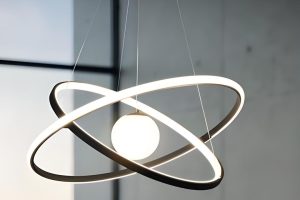
A modern linear ring ceiling light is typically defined by its continuous luminous band, often a singular loop or a series of interconnected rings. Unlike older designs that concealed individual bulbs or tubes, the light source in these modern fixtures is often an integrated LED strip or panel that runs along the interior or exterior circumference of the ring. This creates a uniform and consistent glow, eliminating shadowing and hot spots. The materials used in their construction are also indicative of contemporary design trends. Brushed metals such as aluminum, brass, and stainless steel are common, lending an air of sophistication and durability. Finishes can range from matte to polished, allowing for integration into diverse interior color palettes. The suspension methods are also thoughtfully designed, with minimal visible hardware contributing to a clean, floating effect. Some models are flush-mounted, creating an even more integrated appearance against the ceiling.
Design Principles and Aesthetic Considerations
Minimalism and Clean Lines
The inherent form of a linear ring light lends itself beautifully to minimalist design principles. The absence of extraneous ornamentation and the emphasis on geometric purity align perfectly with the minimalist aesthetic. These fixtures act as sculptural elements, drawing the eye without overwhelming the space. The clean, unbroken circumference provides a sense of order and calm, complementing interiors that prioritize uncluttered surfaces and open spaces. Unlike more traditional chandeliers that might feature intricate detail, the linear ring light’s beauty lies in its simplicity of form and the quality of its illumination. The diffused light emanating from the ring creates a subtle yet impactful visual statement, akin to a halo of light hovering in space. This deliberate restraint in design allows the fixture to enhance, rather than dominate, the overall interior scheme.
Versatility in Material and Finish
The array of materials and finishes available for linear ring ceiling lights significantly broadens their applicability across different interior design styles. Brushed nickel, for instance, offers a cool, contemporary feel suitable for modern and transitional spaces. Warm brass or antique bronze can introduce a touch of classic elegance for more traditional or art deco-inspired interiors. Matte black finishes provide a bold, industrial edge, while polished chrome adds a sleek, futuristic vibe. Beyond metallic finishes, some manufacturers incorporate materials like wood accents or textured acrylic diffusers, further expanding the design possibilities. The choice of material and finish can subtly alter the perceived temperature and mood of the light, as well as its integration with other décor elements in the room. A matte black ring might absorb light and create a dramatic focal point, while a polished brass ring might reflect ambient light and add a subtle shimmer.
Scale and Proportion
The effective integration of a linear ring light hinges on its scale and proportion relative to the space it inhabits. A large, statement ring suspended in a grand foyer can serve as a magnificent centerpiece, dictating the room’s visual hierarchy. Conversely, smaller, more understated rings can be used in multiples in a kitchen or hallway to provide consistent, functional illumination without appearing overbearing. The height at which the fixture is hung is also critical. Too low, and it can obstruct views or create a sense of confinement; too high, and its impact can be diminished. Thoughtful consideration of ceiling height, room dimensions, and furniture placement ensures that the linear ring light becomes an integral, harmonious part of the spatial design, rather than an isolated element. It’s about finding the right visual weight – a delicate balance between presence and subtlety.
Technical Specifications and Functionality
LED Technology and Performance Metrics
Modern linear ring ceiling lights predominantly utilize advanced LED technology. Key performance metrics for these LEDs include lumen output (measuring brightness), color rendering index (CRI, indicating how accurately colors are reproduced), and color temperature (measured in Kelvin, defining the warmth or coolness of the light). High CRI values (typically 90+) are desirable for interior lighting to ensure that colors of furnishings, artwork, and decorative elements appear true to life. Color temperatures vary, with warm white (2700K-3000K) creating a cozy, inviting atmosphere, neutral white (3500K-4000K) offering a balanced, task-oriented light, and cool white (5000K+) providing a crisp, energizing illumination. The lifespan of LEDs, often rated in tens of thousands of hours, signifies a long-term, low-maintenance lighting solution. Energy efficiency, measured in lumens per watt, is another crucial factor, indicating how effectively the LED converts electricity into light.
Dimming and Control Systems
The functionality of contemporary linear ring lights is significantly enhanced by sophisticated dimming and control systems. Most modern fixtures are designed to be dimmable, allowing users to adjust the light intensity to suit various moods and activities. Common dimming protocols include TRIAC (leading-edge and trailing-edge), 0-10V, and DALI (Digital Addressable Lighting Interface). TRIAC dimmers are often used in residential settings and are compatible with many standard dimmer switches. 0-10V dimming offers a more precise and stable dimming range, frequently found in commercial applications. DALI provides advanced digital control, allowing for individual fixture addressing, scene setting, and integration into smart home or building management systems. Wireless control options, such as those employing Bluetooth or Wi-Fi, further enhance convenience, enabling adjustments via smartphone apps or voice commands. This granular control transforms the light from a static source into a dynamic tool for shaping an environment.
Color Temperature Options and Tunability
Beyond fixed color temperatures, many modern linear ring lights offer tunable white technology. This allows users to adjust the color temperature of the light dynamically, from a warm, amber glow to a crisp, daylight hue, often through an app or controller. Tunable white systems are particularly valuable in spaces where the intended use or desired atmosphere changes throughout the day. For example, a softer, warmer light might be preferred in the evening for relaxation, while a brighter, cooler light could be beneficial for daytime tasks and focus. This adaptive lighting approach can positively impact circadian rhythms, promoting well-being and productivity. The ability to ‘tune’ the light offers a level of personalization previously unavailable, allowing the fixture to truly adapt to the needs of its occupants.
Applications and Spatial Integration
Residential Interiors
In residential settings, linear ring ceiling lights have become a popular choice for various rooms. They function exceptionally well as statement pieces in living rooms and dining areas, their clean form providing a modern focal point. In kitchens, they can offer ample, uniform illumination over countertops and islands, their design preventing the creation of shadows where food preparation occurs. Bedrooms can benefit from their softer, diffused light, often with dimmable controls to create a relaxing ambiance. Even in hallways and entryways, a well-proportioned linear ring light can enhance the sense of arrival and provide welcoming illumination. Their adaptability means they can be suspended as a single, prominent fixture or grouped in linear arrangements to create a tailored lighting effect. The way they define space, like a subtle boundary of light, is a key aspect of their appeal in homes.
Commercial and Hospitality Spaces
The commercial and hospitality sectors have embraced linear ring lights for their sophisticated aesthetic and functional benefits. In offices and meeting rooms, they can provide the controlled, consistent lighting necessary for productive work without glare. Their sleek design contributes to a professional and contemporary image. In hotels and restaurants, these fixtures are used to create specific dining experiences or to impart a sense of modern luxury. A ring light above a reception desk can establish an immediate impression of elegance, while multiple rings in a restaurant dining area can define individual zones and enhance the overall ambiance. The ability to integrate with advanced control systems is also highly advantageous in these environments, allowing for programmed lighting scenes and energy management. They act as silent conductors of atmosphere, guiding the patron’s experience from the moment they enter.
Architectural and Statement Pieces
Beyond purely functional illumination, linear ring ceiling lights often serve as significant architectural and statement pieces. Their geometric purity and the way they interact with light can transform a ceiling into a canvas. In spaces with high ceilings or open-plan layouts, a large-scale linear ring can anchor the design, drawing the eye upwards and adding a sense of drama. They are particularly effective in minimalist or contemporary architectural designs where their forms can echo or contrast with other structural elements. The visual weight and perceived “floating” quality of some suspended rings can create an ethereal effect, making them much more than just a light source. They become part of the building’s dialogue, a luminous punctuation mark within the architectural narrative.
Installation and Maintenance Considerations
Mounting Options and Ceiling Types
Linear ring ceiling lights offer a variety of mounting options to accommodate different ceiling types and aesthetic preferences. Flush-mounted fixtures are secured directly to the ceiling surface, creating a seamless integration and a clean look, often used in spaces with lower ceiling heights. Suspended fixtures hang from the ceiling via cables, rods, or chains, allowing for adjustable height and creating a dramatic visual effect, particularly in rooms with higher ceilings. The choice of mounting method can significantly influence the perceived scale and presence of the fixture. For drywall ceilings, appropriate anchors and support structures are essential to bear the weight of the fixture. For concrete or other solid surfaces, specialized mounting hardware will be required. It is crucial to consult the manufacturer’s instructions and, if necessary, seek professional installation to ensure safety and proper function.
Electrical Connections and Safety Standards
Proper electrical connections are paramount for the safe and reliable operation of any lighting fixture, including linear ring ceiling lights. Installation should always be performed by a qualified electrician who is familiar with local building codes and electrical safety standards. This includes ensuring that the circuit is appropriately rated for the fixture’s wattage and that all wiring is secure and properly insulated. Many modern linear ring lights utilize low-voltage power supplies (drivers) that convert household AC power to the DC power required by the LEDs. These drivers are typically housed within the fixture or a separate junction box. Compliance with relevant safety certifications, such as UL (Underwriters Laboratories) or ETL (Intertek), indicates that the product has met rigorous safety testing requirements.
Cleaning and Long-Term Care
Maintaining the aesthetic appeal and performance of a linear ring ceiling light involves straightforward cleaning procedures. For fixtures with acrylic or glass diffusers, a soft, lint-free cloth dampened with water or a mild, non-abrasive cleaning solution is typically recommended. Avoid harsh chemicals or abrasive materials, which can scratch or damage the diffuser. For metallic components, use a polish specifically designed for the respective metal to maintain its finish. It is important to ensure that the fixture is completely cool and that the power is switched off at the breaker before attempting any cleaning. The long lifespan of LED components means that the primary maintenance concern is typically the exterior finish and diffusion elements, rather than bulb replacement. Regular, gentle cleaning will preserve the fixture’s visual integrity for years to come.