Abstract Geometric 3D Printed Table Lamp: A Modern Lighting Solution
So, you’re eyeing up an abstract geometric 3D-printed table lamp and wondering if it’s actually a good fit for your space? In short, yes, it likely is, offering a unique blend of modern aesthetics, customizability, and innovative manufacturing that sets it apart from traditional lamps. It’s not just a pretty face; it’s a piece of functional art that can really elevate a room.
The Allure of Abstract Geometric Designs
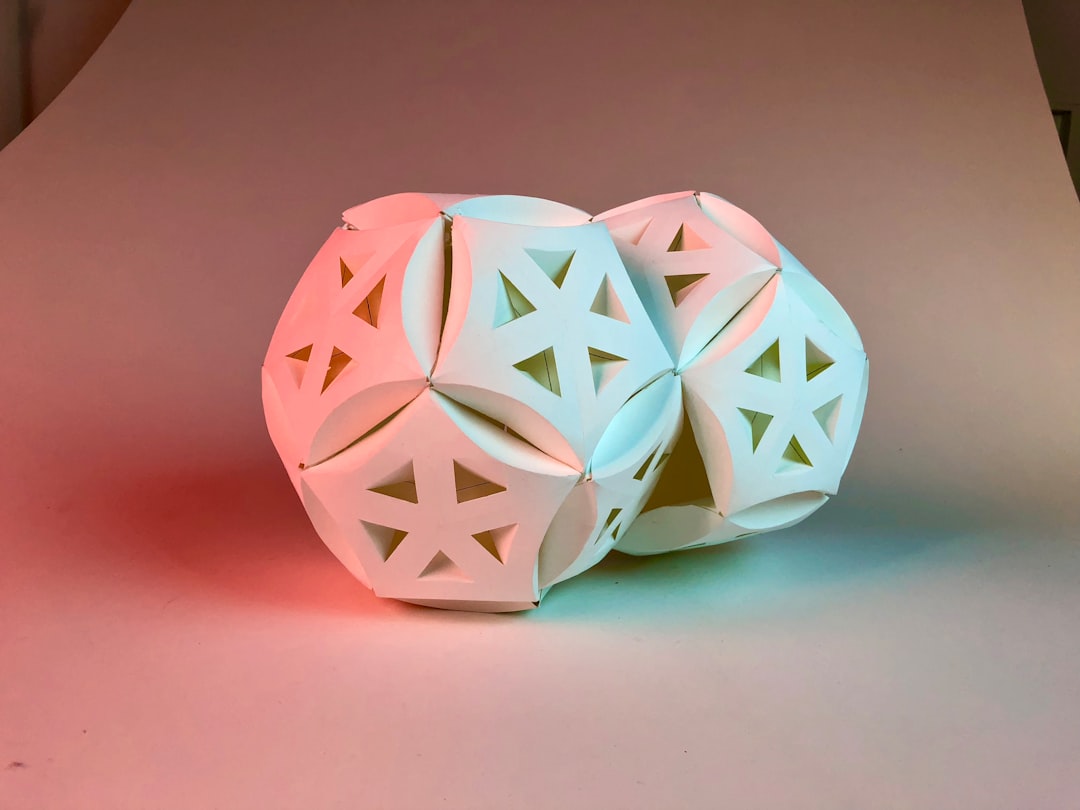
Geometric patterns have a timeless appeal, but when you combine them with abstract forms and the precision of 3D printing, you get something truly special. These lamps move beyond simple shapes and often play with negative space, intersecting planes, and unexpected curves to create visual intrigue.
What Defines an Abstract Geometric Lamp?
- Beyond Basic Shapes: These aren’t your grandmother’s squares and circles. Think tessellations that twist, fractal-like clusters, or seemingly impossible interplays of lines and surfaces. The “abstract” element means the inspiration might be rooted in geometry but the final form is open to interpretation.
- The Role of Form: The lamp’s silhouette itself becomes a sculptural element. It’s designed to be interesting from multiple angles, whether lit or unlit. This contrasts with many traditional lamps where the shade is primarily a diffuser for a more standard base.
- Visual Dynamism: The interplay of light and shadow created by these complex forms is a core part of their appeal. The geometric structure actively shapes how light emanates, leading to dynamic patterns on your walls and surfaces.
Why This Resonates in Modern Interiors
- Escaping the Mundane: In a world of mass-produced items, an abstract geometric lamp offers a refreshing break from the ordinary. It injects personality and a contemporary edge into spaces that might otherwise feel a bit too… standard.
- Conversation Starters: Let’s be honest, these lamps are often a talking point. Their unique design naturally draws the eye and prompts questions, making them more than just functional objects.
- Complementing Minimalist & Maximalist Styles: Surprisingly, these lamps can fit into a range of decors. In a minimalist setting, a single geometric lamp can become a focal point. In a more maximalist space, it can add another layer of intricate detail to the curated chaos.
The 3D Printing Advantage: Precision and Possibility
The “3D printed” aspect isn’t just a buzzword; it’s fundamental to what makes these lamps possible and desirable. This manufacturing method opens doors that traditional techniques simply can’t.
Unlocking Complex Geometries
- Intricate Structures Made Easy: 3D printing excels at creating complex internal and external structures that would be incredibly difficult, if not impossible, to produce using methods like injection molding or traditional craftsmanship. Think of woven patterns, hollow lattices, or sharp, precise edges.
- Layer by Layer Perfection: The additive manufacturing process allows for a level of detail that results in clean lines and consistent textures. This is crucial for geometric designs where precision is key to their aesthetic impact.
- Reduced Tooling Costs: For unique or small-batch designs, 3D printing bypasses the need for expensive molds. This makes it feasible for designers to experiment with more avant-garde forms without prohibitive upfront costs.
Material Innovations and Sustainability Aspects
- Beyond Plastic: While many 3D-printed items are plastic, the technology has advanced significantly. You’ll find lamps made from resins, recycled materials, and even composites that offer different finishes and tactile qualities.
- On-Demand Production: 3D printing allows for products to be made only when they are ordered. This reduces waste from overproduction and unsold inventory, aligning with a more sustainable approach to manufacturing.
- Material Variety: The ability to print with different materials means designers can achieve specific effects – a translucent, almost ethereal feel with certain resins, or a more robust, textured look with others.
Customization: Tailor-Made Lighting
- Scale and Size: A significant advantage is the potential for customization. Need a lamp that’s slightly taller or wider to fit a specific nook? In some cases, 3D printing allows for on-demand scaling of designs.
- Color and Finish Choices: Many 3D-printed lamps offer a palette of colors and finishes beyond the standard white or black. This allows you to match the lamp more precisely to your existing decor or to make a bold statement.
- Unique Configurations: Some services even allow for personalization of certain geometric elements, offering a truly one-of-a-kind piece. While this is less common for mass-produced models, it’s a possibility within the 3D printing realm.
Functionality Meets Form: Illuminating Your Space
While the design is striking, at its core, it’s a lamp. How does it actually perform in terms of lighting up a room?
Lighting Quality and Diffusion
- Engineered Light Patterns: The geometric structure isn’t just for show. It’s designed to interact with the light source. This means you get interesting effects – pools of light, dappled shadows, or a diffused glow depending on the lamp’s design.
- Ambient vs. Task Lighting: Depending on the complexity and openness of the design, these lamps can lean towards ambient mood lighting or provide more directed illumination. A lamp with a more solid, geometric enclosure might diffuse light more broadly, while an open lattice could create more defined patterns.
- Bulb Choice Matters: As with any lamp, the type of bulb you use will significantly impact the final lighting effect. Warm white LEDs are common for creating a cozy atmosphere, while cooler tones can enhance the sharpness of geometric lines. Consider dimmable options for maximum versatility.
Placement and Impact in a Room
- Accent Piece: Often, these lamps function best as accent pieces. Place one on a side table, a console, or a bookshelf to draw attention and add a touch of modern art.
- Creating Ambiance: The unique interplay of light and shadow can dramatically alter the mood of a room. A well-placed geometric lamp can transform a plain corner into a visually engaging space.
- Pairing with Other Decor: Consider how the lamp’s geometric motifs will interact with other textures and patterns in your room. It can either complement existing angular furniture or provide a contrasting organic element to softer furnishings.
Practical Considerations for Everyday Use
- Stability: Ensure the lamp’s base is stable enough for its size and intended location. Given the intricate nature of some designs, a wider, more substantial base is usually preferred.
- Durability of Materials: The longevity will depend on the specific material used. Some 3D printed plastics can be brittle, while others are quite robust. Check product descriptions for details on material properties.
- Cleaning and Maintenance: The complex geometries can sometimes be challenging to dust. A soft brush, compressed air, or a gentle vacuum attachment might be necessary for effective cleaning.
Aesthetic Harmony: Integrating into Your Decor
The real test is how an abstract geometric 3D-printed table lamp fits into your existing style. It’s about seeing it as more than just a novelty and understanding its potential as a design element.
Complementing Different Interior Styles
- Modern & Contemporary: This is the natural habitat. The clean lines and innovative form slot seamlessly into modern, minimalist, or Scandinavian-inspired interiors. It adds a sculptural, artistic touch without being overly ornate.
- Industrial Chic: The angularity and fabricated nature of 3D printing can echo the raw, unrefined elements often found in industrial design. It can provide a sophisticated counterpoint to exposed brick or metal accents.
- Eclectic & Bohemian: Don’t dismiss these lamps for more eclectic spaces. A bold geometric lamp can act as a grounding element or a surprising focal point amidst a rich tapestry of textures and colors. The key is thoughtful curation.
- Transitional Spaces: For those who blend styles, these lamps can act as a bridge. Their modern form can be softened by surrounding traditional pieces, making the overall look feel updated and cohesive.
The Power of Scale and Proportion
- Small Spaces: A smaller, more delicate geometric lamp can add a sophisticated touch to a compact living room, bedroom nightstand, or hallway console without overwhelming the area.
- Larger Rooms: In more expansive spaces, a larger, more significant geometric lamp can make a statement, acting as a standalone piece of art or a functional sculpture. It can help define zones or add visual interest to an empty corner.
- Balancing Visual Weight: Consider the overall visual weight of your furnishings. A lamp with a dense, complex geometric form will feel heavier than one with an open, airy structure. Balance these elements to create a harmonious room.
Color Palette Considerations
- Neutral Tones: Lamps in white, black, grey, or natural wood tones are incredibly versatile. They allow the form to be the primary focus and blend easily with almost any color scheme.
- Bold Hues: For a more daring approach, consider a lamp in a vibrant color. This can inject energy and personality into a neutral room or complement an existing bold color palette.
- Monochromatic Schemes: An abstract geometric lamp in a single color can be a powerful tool in a monochromatic room, adding texture and visual interest through its form alone.
Potential Drawbacks and Things to Watch For
While we’ve focused on the positives, it’s important to be a bit pragmatic and aware of potential downsides. Nothing is perfect for every situation.
Material Limitations and Longevity Concerns
- Brittleness: Some 3D printing materials, particularly certain plastics when printed thinly, can be brittle. This means they might be more susceptible to chips or cracks if knocked or dropped. This is less of an issue with more robust resins or thicker prints.
- UV Sensitivity: Certain plastics can degrade or discolor over time when exposed to direct sunlight. If your desired placement is in a sunny spot, inquire about UV-resistant materials or finishes.
- Heat Management: While LED bulbs generate less heat than incandescent, it’s still worth considering how well the material of the lampshade can handle prolonged warmth. Designs with very enclosed geometric sections might require careful bulb selection to prevent overheating.
Assembly and Electrical Components
- Integrated vs. Separate Parts: Some lamps are fully integrated units, while others might require simple assembly (attaching the shade to the base, for example). Check the product description for clarity.
- Quality of Electricals: As with any electrical appliance, the quality of the cord, plug, and switch is important. Look for reputable brands or products that clearly state adherence to safety standards.
- Bulb Replacement: While most modern lamps use standard bulb bases, the intricate design of the shade might make accessing and replacing a bulb slightly more fiddly than with a traditional lamp.
Cost and Value Proposition
- Perceived Value: Because they are often seen as novelty or art pieces, abstract geometric 3D-printed lamps can sometimes command a higher price than a standard lamp of comparable size.
- Comparing Apples to Oranges: It’s important to compare them not just to other lamps, but to other decorative art pieces or lighting solutions. The value lies in the unique design, manufacturing process, and potential for customization.
- Long-Term Investment: Consider if the unique aesthetic and potential longevity of the design make it a worthwhile investment for your space, rather than just a fleeting trend.
The Verdict: Is it for You?
Ultimately, the decision to bring an abstract geometric 3D-printed table lamp into your home comes down to your personal style and what you want to achieve with your lighting.
Who Will Love It Most?
- Design Enthusiasts: Anyone who appreciates modern art, contemporary design, and innovative manufacturing will likely be drawn to these lamps.
- Those Seeking Uniqueness: If you’re tired of generic decor and want to inject personality and a “wow” factor into your space, this is a strong contender.
- DIYers and Customization Fans: For those who enjoy personalizing their environment, the potential for custom colors, sizes, or even slight design tweaks can be a major draw.
When to Consider Alternatives
- Prioritizing Pure Functionality: If your primary need is very bright, all-encompassing light for a specific task (like reading in a dimly lit corner) and you don’t want the visual complexity, a more traditional lamp might be more practical.
- Budget-Conscious Buyers: While prices vary, highly intricate or customizable 3D-printed lamps can be an investment. If budget is a strict constraint and you just need basic illumination, simpler options exist.
- Very Active Households with Young Children: If your home is prone to accidental bumps and tumbles, a lamp made from more fragile materials might not be the most durable choice.
Final Thoughts on Making the Choice
- See it in Person (if possible): While online photos are great, seeing the texture, scale, and how light plays through the geometry in person can be incredibly helpful.
- Read Reviews: Look for reviews that discuss light quality, durability, and ease of assembly.
- Consider Its Place: Before buying, visualize where the lamp will go and how it will interact with its surroundings. Does it enhance or compete with existing elements?
An abstract geometric 3D-printed table lamp is more than just a light source; it’s a fusion of art, technology, and design that can bring a distinct modern flair to your living space. By understanding its unique properties and considering your own needs, you can make an informed decision about whether this innovative lighting solution is the right fit for you.