Creating a Feminine Aesthetic with Bedroom Wall Lighting
The integration of lighting elements into bedroom design offers a nuanced approach to shaping the room’s atmosphere. When aiming to cultivate a “feminine aesthetic” specifically, wall lighting plays a significant role, moving beyond mere illumination to become a decorative and thematic component. This article explores various methods and considerations for employing wall lighting to achieve such an aesthetic, examining lamp types, placement strategies, and complementary design elements.
Before delving into specific lighting Ladanmu techniques, it is crucial to establish what constitutes a “feminine aesthetic” within interior design. This concept is not monolithic and can encompass a broad spectrum of styles, but generally, it emphasizes elements often associated with softness, elegance, and comfort.
Common Characteristics
- Soft Color Palettes: Often featuring pastels, muted tones, and neutrals, alongside occasional pops of richer hues like blush, lavender, or rose gold.
- Delicate Textures: Materials such as silk, velvet, lace, faux fur, and woven fabrics contribute to a sense of luxury and comfort.
- Curvilinear Forms: Rounded edges, intricate carvings, and organic shapes tend to be preferred over sharp, angular lines.
- Adornment and Detail: Embellishments like intricate patterns, decorative accents, and subtle embellishments are frequently incorporated.
- Emphasis on Comfort and Serenity: The overall goal is often to create a relaxing and inviting sanctuary.
It is important to note that these characteristics are not prescriptive; rather, they serve as a framework. The application of these elements, particularly through lighting, allows for individual expression while adhering to the core tenets of the desired aesthetic.
Choosing Wall Sconces for a Feminine Aesthetic
Wall sconces, by their nature, project light outwards from the wall, offering both functional illumination and decorative impact. Their design is paramount in contributing to a feminine aesthetic.
Material Selection
The materials from which a sconce is constructed significantly influence its perceived style.
- Glass and Crystal: Sconces featuring frosted, etched, or clear glass, particularly those with crystal accents, refract light in a manner that creates a sparkling and ethereal effect. This can evoke a sense of glamour and delicacy. Examples include sconces with dangling crystal prisms or intricate glass shades.
- Polished Metals: Brass, polished nickel, and rose gold finishes can introduce warmth and sophistication. These metals often complement softer color palettes. Avoid overly industrial or rustic finishes, which might clash with the intended aesthetic.
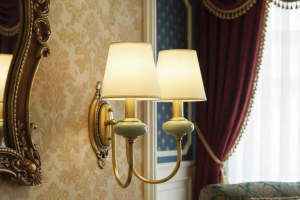
- Ceramic and Porcelain: Sconces made from these materials can offer a more organic or vintage feel. Delicate floral patterns or sculpted forms in ceramic can contribute to a romantic or cottage-core interpretation of a feminine aesthetic.
- Fabric Shades: Sconces with fabric shades, particularly those made from silk, linen, or pleated materials, diffuse light softly, creating an inviting glow. The texture of the fabric itself adds to the tactile experience of the room.
Form and Silhouette
The shape and outline of a sconce are as important as its material.
- Curvilinear and Organic Shapes: Sconces with graceful curves, scalloped edges, or botanical motifs align well with the emphasis on softness. Avoid excessively geometric or angular designs unless they are softened by intricate details or warm finishes.
- Ornate Details: Delicate scrollwork, filigree, or subtle embellishments can elevate a simple sconce into a decorative piece. These details act as visual whispers, adding character without overwhelming the space.
- Candlestick-Inspired Designs: Sconces designed to mimic classic candlestick holders often evoke a sense of vintage charm and elegance, particularly when paired with frosted or fabric shades.
Strategic Placement of Wall Lighting
The location of wall lighting is not arbitrary; it dictates both functionality and visual balance in the bedroom. Thoughtful placement can enhance the aesthetic and create inviting pools of light.
Bedside Illumination
Wall-mounted sconces on either side of the bed are a classic and effective choice. This arrangement provides task lighting for reading and offers a symmetrical, balanced look.
- Height Considerations: Sconces should be mounted at a height that allows for comfortable reading without harsh glare. A general guideline is to position the bottom of the fixture approximately 36 to 40 inches above the top of the mattress, or at eye level when seated.
- Arm Length and Swivel Features: Sconces with adjustable arms or swivel heads provide flexibility, allowing the user to direct light precisely where needed. This is particularly useful in bedrooms where activities beyond reading, such as knitting or journaling, may occur.
- Dimmer Switches: Integrating dimmer switches with bedside sconces allows for precise control over light intensity, enabling the user to shift from bright task lighting to a soft, ambient glow conducive to relaxation.
Ambient and Accent Lighting
Beyond bedside use, wall lighting can contribute to the overall ambient light of the room or highlight specific features.
- Highlighting Artwork or Mirrors: Sconces placed above or flanking a piece of artwork, a mirror, or a decorative wall hanging can draw attention to these elements, transforming them into focal points. The light acts as a spotlight, emphasizing their form and texture.
- Creating Visual Pathways: A series of carefully spaced sconces along a wall can create visual interest, acting as luminous markers that guide the eye through the room. This can be particularly effective in longer rooms or those with architectural features.
- Illuminating Architectural Features: Alcoves, built-in shelving, or textured walls can be enhanced by strategically placed sconces that cast light to accentuate their depth and form. This creates a play of light and shadow, adding dimension to the space.
Integrating Light Temperature and Intensity
The quality of light emitted by wall sconces is a critical factor in achieving a specific mood. This goes beyond mere brightness.
Color Temperature
Color temperature, measured in Kelvins (K), describes the warmth or coolness of light.
- Warm White (2700K-3000K): This range emits a soft, yellow-white light, similar to incandescent bulbs. It is generally preferred for bedrooms as it promotes a sense of warmth, coze, and relaxation. This temperature contributes significantly to a feminine aesthetic by creating an inviting and serene atmosphere.
- Neutral White (3500K-4000K): While suitable for task lighting in some areas, neutral white can appear slightly too bright or clinical for a predominantly feminine bedroom aesthetic, which often prioritizes softness.
- Cool White (>4000K): This range produces a bluish-white light and is typically avoided in bedrooms, as it can feel stark and disrupt the calming atmosphere.
Light Intensity and Dimmers
The brightness of the light, measured in lumens, also plays a role.
- Layered Lighting: A feminine aesthetic often benefits from layered lighting, meaning a combination of ambient, task, and accent lighting. Wall sconces can contribute to all three layers, depending on their design and placement.
- Dimmer Switches: As mentioned previously, dimmer switches are invaluable. They allow for dynamic adjustment of light intensity, enabling the room to transition from a brightly lit space to a softly glowing sanctuary. This flexibility is key to accommodating various activities and moods.
- Diffused Light: Shades and diffusers on sconces soften the harshness of direct light, preventing glare and creating a more gentle, ambient glow. Frosted glass, fabric shades, and etched designs are effective in achieving this.
Complementary Design Elements
Wall lighting does not exist in isolation. Its effectiveness in creating a feminine aesthetic is amplified when considered in conjunction with other bedroom design elements.
Wall Treatments
The texture and color of the wall behind and around sconces can dramatically alter their appearance and the light they cast.
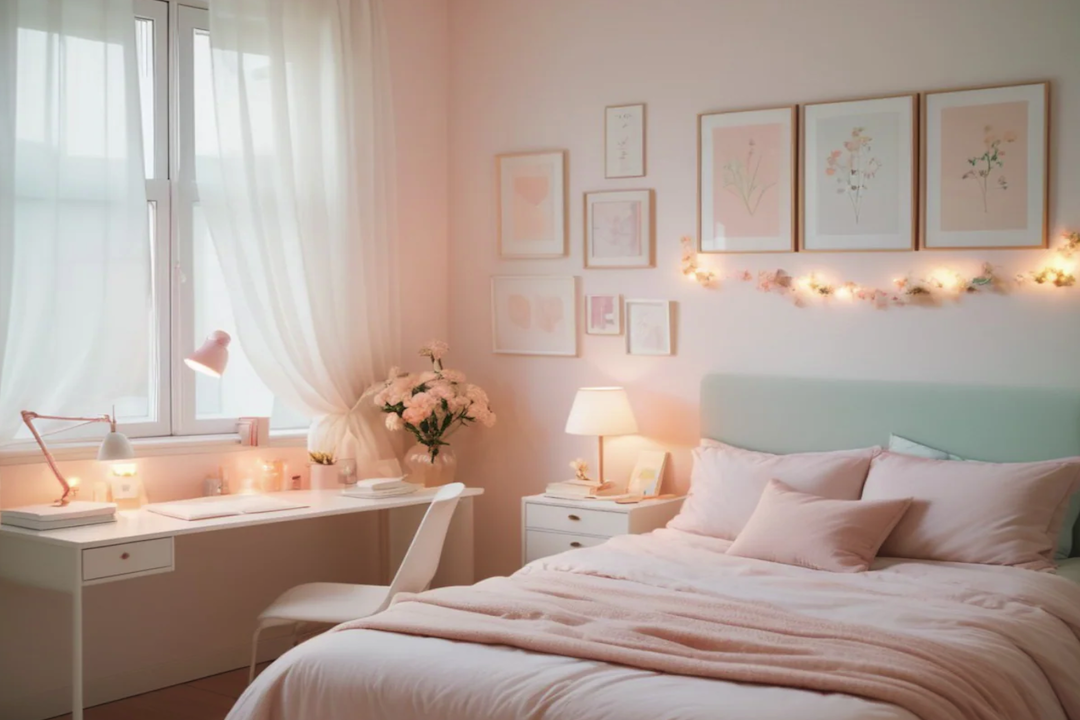
- Soft Hues and Textures: Pale pinks, creams, gentle grays, or even a subtle floral wallpaper can provide a beautiful backdrop for sconces. These soft colors absorb and reflect light in a way that enhances the warmth and glow of the fixtures.
- Mirrored Surfaces: Placing sconces adjacent to or reflecting in mirrors can multiply their light and visual impact, making a room feel larger and more luminous. This also adds a touch of glamour.
- Paneling or Wainscoting: Decorative wall panels or wainscoting can provide a sophisticated architectural element against which a sconce can stand out. This often evokes a classic or vintage feminine style.
Furniture and Accessories
The furniture and decorative objects in a bedroom should resonate with the aesthetic established by the lighting.
- Upholstered Headboards: A soft, upholstered headboard in velvet, linen, or a patterned fabric creates an immediate sense of comfort and luxury, complementing the gentle illumination from wall sconces.
- Curvilinear Furniture: Dressers with rounded corners, vanity tables with graceful legs, or chairs with gentle curves reinforce the soft aesthetic.
- Delicate Decor: Vases with fresh flowers, decorative trays, framed artwork with soft themes, or elegant throws and pillows all contribute to the overall feminine atmosphere. These elements become more prominent under thoughtfully placed wall lighting.
- Metallic Accents: Incorporating touches of brass, rose gold, or polished silver in furniture hardware, picture frames, or decorative objects can echo the finishes of the sconces, creating a cohesive design.
Conclusion
Creating a feminine aesthetic through bedroom wall lighting is a deliberate process involving careful selection and strategic placement. By considering the materials, forms, and light quality of sconces, and by integrating these choices with complementary design elements, one can fashion a bedroom that functions as a serene and elegant sanctuary. Wall lighting, when utilized with intention, transcends its basic function to become an integral element in sculpting a desired atmosphere, much like a brushstroke in a painting defines its subject.