Creating a Serene Meditation Space with Ambient Lighting
Preparing a suitable environment is often considered integral to a successful meditation practice. An optimally designed space can facilitate focus and reduce external distractions, thereby supporting the practitioner in achieving a state of mental tranquility. This article provides guidance on establishing a meditation space, emphasizing the strategic use of ambient lighting.
Meditation involves directing attention and cultivating awareness. The physical environment can significantly impact an individual’s ability to achieve these states. A cluttered or brightly lit space may stimulate the senses, creating mental “noise” that hinders concentration. Conversely, a minimalist and properly lit environment can act as a container for focus, allowing the mind to settle and expand.
Psychological Impact of Space
The immediate surroundings influence mood, cognition, and physiological responses. Studies in environmental psychology suggest that certain spatial configurations can induce states of calm or agitation. For meditation, the goal is to curate a space that promotes relaxation and inward attention. This involves considering elements such as visual order, auditory input, and thermal comfort, all contributing to a cohesive sensory experience.
Minimizing Distractions
Distractions are internal and external. Internal distractions often manifest as wandering thoughts. External distractions originate from the environment. These can include loud noises, intrusive odors, sudden movements, or harsh lighting. While some external distractions are unavoidable, a dedicated meditation space aims to mitigate those within one’s control. Creating a designated area communicates to the mind that this space is for a specific, calming activity, subtly prompting a shift in mental state upon entry.
Principles of Ambient Lighting
Ambient lighting refers to the general illumination of a space, not specifically highlighting objects or tasks. Its primary function in a meditation setting is to establish mood and atmosphere. In contrast to task lighting, which provides focused illumination for activities, or accent lighting, which draws attention to features, ambient lighting aims for a soft, diffused glow that encourages relaxation without creating shadows or glare.
Softness and Diffusion
Key characteristics of ambient lighting include softness and diffusion. Hard light sources, such as uncovered bulbs or direct spotlights, can create sharp contrasts and contribute to visual fatigue. Soft light, often achieved through diffusers or indirect light sources, minimizes shadows and evenly distributes illumination. This prevents the eyes from having to constantly adjust to varying light levels, a subtle but significant factor in maintaining a state of calm. Diffused light emulates natural twilight, a period often associated with peaceful introspection.
Color Temperature and Its Effects
Color temperature, measured in Kelvin (K), describes the perceived warmth or coolness of light. Lower Kelvin values (2700K-3000K) produce warmer, yellowish light, similar to incandescent bulbs or candlelight. Higher Kelvin values (5000K-6500K) produce cooler, bluer light, akin to daylight or fluorescent lamps.
- Warm Light (2700K-3000K): This range is generally considered conducive to relaxation. It can evoke feelings of comfort and coziness. For a meditation space, warm ambient light supports the transition from external focus to internal reflection. It does not stimulate the mind in the same way cooler light can.
- Cool Light (5000K-6500K): While beneficial for tasks requiring alertness and concentration (e.g., studying), cool light can interfere with melatonin production and may not be optimal for a space intended for relaxation and sleep preparation. Its use in a meditation space should be avoided or minimized.
Light Intensity and Dimmability
The intensity of light, its brightness, is as crucial as its color temperature. Excessive brightness can be jarring and disruptive. A meditation space benefits from adjustable light intensity. Dimmable light sources allow the user to fine-tune the illumination to their preference and the time of day. Morning meditation might benefit from slightly more light than an evening session, where a very low intensity may be preferred to ease the transition to sleep. Dimmers provide control, empowering the practitioner to shape their environment. This adaptive control prevents the light from becoming a distraction itself.
Selecting Appropriate Lighting Fixtures
The choice of lighting fixtures goes beyond aesthetics; it directly impacts the quality of light produced and the functionality of the space. For a meditation area, the focus should be on fixtures that provide indirect, diffused, and often adjustable illumination.
Indirect Lighting Sources
Indirect lighting involves bouncing light off surfaces like walls or ceilings before it reaches the eye. This technique minimizes glare and creates a softer, more uniform distribution of light.
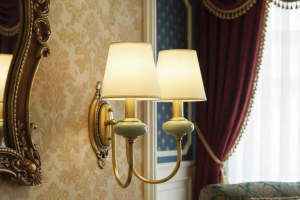
- Wall Sconces: These fixtures are mounted on walls and typically direct light upwards or downwards, washing the wall with light rather than casting direct beams. When placed strategically, they can create a gentle ambient glow.
- Floor Lamps with Upward Shine: Certain floor lamps are designed to project light upwards, illuminating the ceiling. This reflected light then diffuses throughout the room, creating an overall soft illumination.
- Cove Lighting: Integrated into architectural features like ceiling coves or ledges, cove lighting hides the light source and provides a continuous, indirect wash of light across the ceiling or walls. This can be particularly effective in creating a seamless, diffused ambiance.
Lamps with Diffusers
Fixtures that incorporate diffusers scatter light, reducing harshness and creating a more even spread.
- Shaded Lamps: Lamps with fabric or frosted glass shades significantly diffuse the light emitted from the bulb. The material and density of the shade will influence the degree of diffusion. Natural materials like linen or rice paper can further enhance the soft quality of light.
- Frosted Bulbs: Even in open fixtures, using frosted bulbs instead of clear ones can soften the light output, though less effectively than a dedicated diffuser.
- Paper Lanterns: Traditional paper lanterns, often associated with Eastern aesthetics, inherently diffuse light beautifully, emitting a warm, soft glow. They can serve as both a light source and a decorative element.
Natural Light Integration
While artificial lighting is critical, integrating natural light is often beneficial when possible.
- Sheer Curtains or Blinds: These can filter harsh daylight, softening intense sunlight and creating a diffused natural glow. They also provide privacy without completely blocking light. The goal is to filter, not to block entirely, allowing the rhythm of the day to subtly influence the space.
- Placement of Meditation Area: Positioning the meditation area near a window that offers pleasant, unobstructed views (e.g., nature) can enhance the serene atmosphere, provided the view itself is not distracting. Avoid windows facing high traffic areas or sources of visual clutter.
Strategic Placement of Light Sources
The location of light fixtures is as important as the fixtures themselves. Thoughtful placement can create depth, eliminate shadows, and enhance the overall serenity of the space.
Layering Light
Effective lighting design often involves layering different light sources to achieve varied effects. For a meditation space, this means combining ambient light with perhaps a touch of subtle accent lighting, while avoiding task lighting.
- Ambient Base: Begin with a primary ambient light source (e.g., wall sconces, ceiling wash) that provides general, soft illumination. This forms the base layer.
- Supple Fill: Introduce additional, lower-intensity sources to fill in any dark corners or add depth. For example, a small table lamp with a very warm, dim bulb can provide a localized glow.
- Subtle Accents (Optional): If there’s a specific object, such as a statue or a plant, that contributes to the meditative atmosphere, a very subtle, low-wattage accent light could highlight it. However, this should be done with restraint to avoid creating focal points that demand too much visual attention. The light should reveal, not dazzle.
Avoiding Glare and Harsh Shadows
Glare, caused by direct exposure to a bright light source, can be disruptive and cause discomfort. Harsh shadows, created by poorly placed or overly intense light, can make a space feel unsettling or dramatic, which is not conducive to meditation.
- Hide the Source: Ideally, the light source itself should not be directly visible while meditating. Use fixtures with shades, diffusers, or indirect light.
- Even Distribution: Aim for a relatively even distribution of light throughout the space to minimize sharp contrasts between light and shadow. This prevents the eyes from repeatedly adjusting.
- Consider Practitioner’s Position: Anticipate the practitioner’s usual meditation posture and ensure that light sources are not directly in their line of sight. If sitting on the floor, wall-mounted lights should be above eye level.
Incorporating Elements for Enhanced Serenity
Lighting is one component of a holistic approach to creating a serene meditation space. Other elements contribute significantly to the overall atmosphere.
Minimalist Decor
Clutter can be a visual distraction. A minimalist approach to decor is often beneficial in a meditation space.
- Decluttering: Remove unnecessary items that accumulate in a living space. The fewer objects, the less potential for visual and mental distraction. A clear space often translates to a clearer mind.
- Neutral Color Palette: Walls painted in calming, neutral tones (e.g., soft grays, whites, muted greens, or blues) can enhance the sense of tranquility and serve as a muted backdrop for the indirect lighting. Bright or contrasting colors can be stimulating.
- Essential Elements: Only include items that genuinely support the meditative practice, such as a cushion, a small altar if desired, or a plant. Each item should have a purpose.
Natural Elements
Integrating elements from nature can foster a sense of connection and peace.
- Indoor Plants: A few well-chosen, low-maintenance indoor plants can introduce life and natural beauty. Plants like snake plants or peace lilies also improve air quality. Their organic forms provide a visual anchor without being demanding.
- Natural Materials: Using materials like wood, bamboo, stone, or natural fibers for flooring, cushions, or decorative accents can introduce texture and an earthy feel that resonates with quiet contemplation.
- Water Features (Optional): A small, quiet tabletop fountain can add a subtle auditory element – the gentle sound of flowing water – which some find conducive to relaxation. Ensure the sound is a soft murmur, not a gushing torrent.
Auditory and Olfactory Considerations
Beyond the visual, sound and scent significantly shape the sensory experience of a space.
- Soundproofing: If possible, consider measures to minimize external noise, such as heavy curtains, sound-absorbing panels, or sealing gaps around doors and windows. A quiet environment is paramount.
- Soothing Sounds: In the absence of total silence, ambient sounds like soft instrumental music, nature sounds (e.g., gentle rain, distant waves), or guided meditation audio can be utilized. However, these should be selected for their non-distracting quality.
- Subtle Aromatherapy: Diffusing essential oils like lavender, sandalwood, frankincense, or cedarwood can create a calming olfactory backdrop. The scent should be subtle, not overpowering, to avoid becoming a distraction. Avoid strong, stimulating scents. The goal is an atmosphere that permits internal focus, not external engagement. The aroma should be a whisper, not a shout.
By methodically applying these principles, one can construct a meditation space where ambient lighting and other environmental factors coalesce to support a consistent and profound meditation practice. The objective is to create a physical environment that mirrors and facilitates an inner state of peace and focus.