Retro Futurism Globe Chandelier: A Timeless Lighting Statement
The Retro Futurism Globe Chandelier offers a distinctive approach to interior lighting, blending nostalgic aesthetics with forward-looking design principles. This fixture draws inspiration from early to mid-20th century visions of the future, often depicted in science fiction, popular culture, and architectural concepts of the time. It stands as more than just a light source; it is a statement piece that can anchor a room’s style and evoke a specific atmosphere.
The foundational appeal of retro futurism lies in its optimistic, often unburdened, interpretation of technological advancement. This design movement, as it applies to decor, takes these past imaginings and translates them into tangible objects. The globe chandelier Stickstory, in particular, utilizes spherical forms that were prevalent in renderings of spaceships, atomic models, and science labs of a bygone era.
The “Globe” in Context
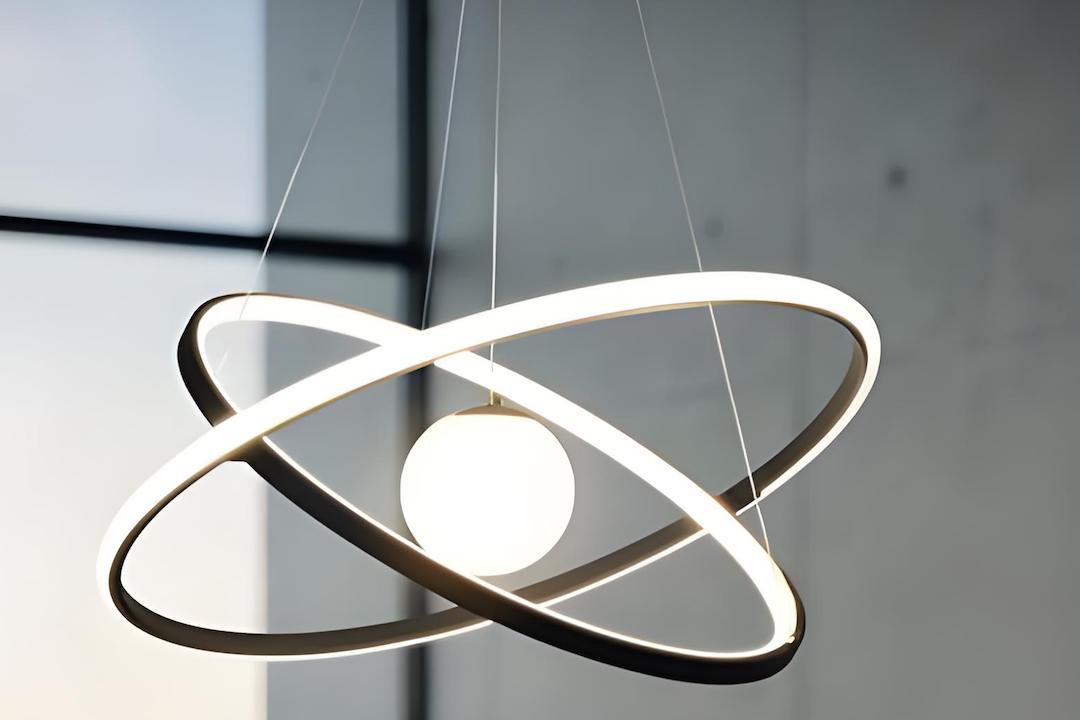
The defining characteristic of this chandelier type is its primary use of spherical or globe-like lighting elements. These can range from single, large orbs to a constellation of smaller spheres, often suspended from a central armature. The shape itself carries a sense of completeness and universalism, echoing the astronomical aspirations that fueled much of the era’s futurist thought. Think of the polished metal spheres depicted in early atomic age diagrams or the rounded cockpits of retro rocket ships – the chandelier taps into this visual lexicon.
Materiality and Finish
The materiality of retro futurism globe chandeliers is crucial to their identity. Common materials include polished metals such as brass, chrome, or brushed nickel. These are often paired with glass, which can be clear, frosted, or tinted. Some designs incorporate wood or bakelite-like plastics, further contributing to the vintage feel. The finishes are typically smooth and reflective, enhancing the sense of polished perfection and technological advancement that characterized mid-century futurism.
Inspirations from Mid-Century Modernism
The design language of retro futurism is deeply intertwined with mid-century modernism. Both movements championed clean lines, functionalism, and an embrace of new materials and forms. However, retro futurism injects an added layer of speculative fantasy. While mid-century modernism focused on the present and near future, retro futurism was captivated by a more distant, often more whimsical, vision of what was to come. The globe chandelier can be seen as a bridge between these two related yet distinct design philosophies.
Historical Context of Retro Futurism
The term “retro futurism” itself is a relatively recent descriptor applied to a long-standing artistic and design sensibility. The underlying themes have been present since the early days of industrialization and the dawn of the space age.
Early Visions of the Future
The late 19th and early 20th centuries saw a surge of interest in technological progress. Innovations in electricity, transportation, and communication fueled imaginations. Artists and writers began to envision future societies transformed by these advancements. Spherical forms, often symbolizing advanced technology or celestial bodies, appeared frequently in these early speculative works. Think of the utopian cityscapes envisioned by architects like Yona Friedman or the fantastical machines conceived by artists like Jean-Marc Côté.
The Atomic Age and Space Race Influence
The mid-20th century, particularly the post-World War II era, was a fertile ground for retro futurism. The advent of nuclear power, the burgeoning space race, and rapid technological development created a palpable sense of progress and possibility. This period produced iconic imagery: streamlined rockets, domed cities, and the ubiquitous atom symbol. The globe chandelier, with its orb-like elements, directly references this period’s fascination with the cosmos and the atom. It’s as if a piece of that optimistic, moon-shot era has been brought down to illuminate our present-day living spaces.
Pop Culture Manifestations
Retro futurism became deeply embedded in popular culture through films, television shows, comic books, and advertising. Series like The Jetsons, films such as Forbidden Planet, and even the aesthetic of early consumer electronics all contributed to a shared visual language of the future. These cultural touchstones often featured stylized, rounded structures and futuristic vehicles, reinforcing the appeal of spherical forms. The globe chandelier can be seen as a direct descendant of these visual narratives, bringing a piece of that fantastical future into the domestic sphere.
Typologies and Variations of Globe Chandeliers
The retro futurism globe chandelier is not a monolithic entity. A range of variations exists, catering to different tastes and spatial requirements.
Single Globe vs. Multi-Globe Configurations
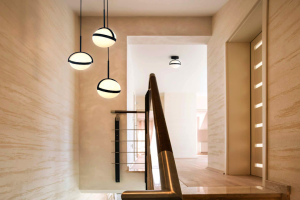
A fundamental distinction lies between chandeliers featuring a single, prominent globe and those with multiple interconnected globes. A single, large globe can serve as a powerful focal point, drawing the eye and dictating the room’s central theme. Multi-globe configurations, on the other hand, offer a more dynamic and distributed lighting effect, creating a sense of a miniature solar system suspended from the ceiling.
Linear vs. Cluster Arrangements
Within multi-globe designs, the arrangement of the spheres can vary significantly. Linear arrangements, where globes are suspended in a straight line, lend themselves well to modern spaces and can be effective over dining tables or kitchen islands. Cluster arrangements, where globes are grouped organically or in a more sculptural fashion, create a sense of abundance and can be more dramatic in larger rooms. This is akin to nebulae captured in glass and metal.
Armature Design and Materials
The armature, the framework from which the globes hang, plays a vital role in the overall aesthetic. Designs range from simple, minimalist rods and wires to more elaborate, branching structures reminiscent of stylized trees or scientific diagrams. The material of the armature – whether it’s polished brass, matte black steel, or brushed aluminum – further defines the chandelier’s character and its alignment with specific retro-futuristic sub-genres.
Glass Type and Illumination
The type of glass used for the globes significantly impacts the light quality. Clear glass offers unobstructed illumination, highlighting the bulb within and creating sharp shadows. Frosted or opal glass diffuses light, providing a softer, more ambient glow. Tinted glass, often in amber or smoky grey hues, can add a unique colour temperature and a layer of vintage mystique. The choice of bulb technology, while often hidden, also contributes to the overall effect, with modern LED equivalents offering energy efficiency while mimicking older filament styles.
Integrating Retro Futurism Globe Chandeliers into Interior Design
The successful integration of a retro futurism globe chandelier requires thoughtful consideration of the surrounding space and its existing style.
Harmony with Mid-Century and Modern Aesthetics
These chandeliers naturally complement interiors influenced by mid-century modernism, atomic age design, or contemporary spaces seeking a distinctive vintage accent. Their clean lines and geometric forms can provide a striking counterpoint to softer, more organic elements. In a minimalist setting, a bold globe chandelier can act as the room’s singular artistic expression, preventing the space from feeling sterile. It’s like dropping a perfectly formed planet into an otherwise uncluttered expanse.
Creating a Statement Piece
The inherent drama of a retro futurism globe chandelier makes it an ideal statement piece. It can be the dominant element in a room, setting the tone for the entire decor. This is particularly effective in entrance halls, living rooms, or dining areas where a sense of arrival and impact is desired. The scale and complexity of the chandelier should be proportionate to the size of the room and the ceiling height.
Material and Colour Palettes
When selecting a globe chandelier, designers often consider how its materials and finishes will interact with the existing colour palette and textures of the room. Polished chrome and brass can inject a touch of glamour and sophistication, while matte black or brushed finishes can offer a more understated, industrial feel. Pairing these metallic elements with neutral tones, such as greys, whites, and earthy colours, often allows the chandelier to stand out without overwhelming the space.
Lighting Functionality and Ambiance
Beyond aesthetics, the practical function of the chandelier as a primary light source must be considered. The number and placement of the globes, along with the type of glass and bulbs used, will determine the quality and spread of light. For spaces requiring task lighting, such as a dining table, a chandelier with clear globes and directed illumination might be preferable. For creating a more relaxed ambiance, diffused light from frosted globes can be more suitable. Dimmers are often a valuable addition to allow for control over the intensity and mood.
Enduring Appeal and Modern Relevance
The continued popularity of the retro futurism globe chandelier speaks to its ability to transcend fleeting design trends.
Nostalgia and Optimism
The appeal of retro futurism lies in its evocation of a particular kind of nostalgia – one that is often tied to a sense of optimism about the future. In contrast to some contemporary visions that are tinged with dystopian anxieties, the retro-futurist future was typically one of progress and innovation. This optimistic outlook, filtered through a stylish aesthetic, resonates with many. It’s a comforting echo from a simpler, yet more imaginatively abundant, perceived past.
Timeless Design Principles
Despite its historical roots, the core design principles behind the globe chandelier – namely the use of geometric shapes, functional form, and refined materials – are timeless. The sphere is a fundamental, universally recognized form. When rendered with quality craftsmanship and thoughtful design, these fixtures possess an inherent elegance that can adapt to various interior styles.
A Durable Design Choice
Unlike trend-driven décor items that may quickly fall out of favour, a well-chosen retro futurism globe chandelier can remain a relevant and striking feature in a home for years. Its ability to act as both a functional lighting fixture and a piece of art ensures its enduring value. It serves as a visual anchor, a conversation starter, and a reminder that well-executed design, regardless of its era, has the power to elevate a space. The enduring fascination with the future, as imagined by the past, ensures its continued place in the design landscape.