Enhance Your Space with a Brushed Brass Swing Arm Sconce
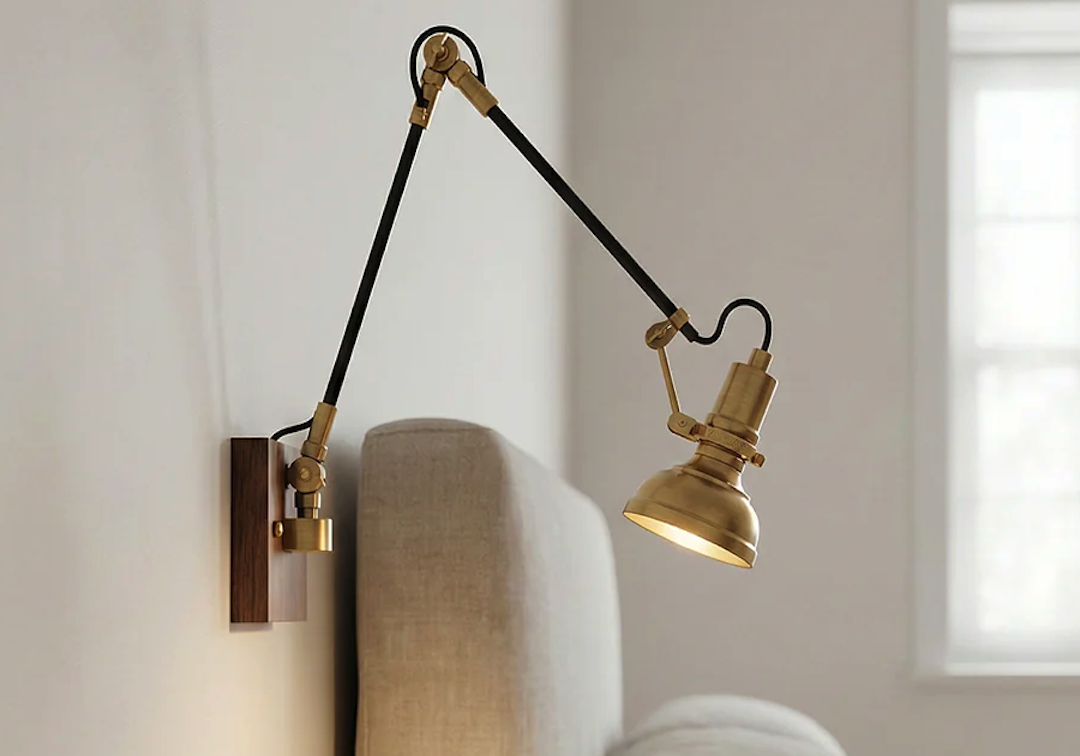
So, you’re wondering how a brushed brass swing arm sconce can enhance your space? Simply put, it adds a versatile, stylish, and functional layer of lighting and design that can transform a room. It’s more than just a light fixture; it’s a design element with a job to do.
Brushed brass isn’t just about looking good; it’s about blending durability with a refined aesthetic. This finish offers a unique appeal that sets it apart from other metals.
Understanding the Brushed Finish
The “brushed” part refers to how the brass is treated. It undergoes a process that creates a matte, textured surface, often with subtle, linear striations. Unlike highly polished brass that gleams and reflects everything, brushed brass has a softer, more subdued luster. This texture helps diffuse light Akapearls rather than reflect it harshly, contributing to a warmer ambiance. It also makes fingerprints and minor imperfections less noticeable, which is a practical bonus for everyday living.
The Timeless Allure of Brass
Brass, as a material, has been a staple in interior design for centuries. It carries a certain gravitas and warmth that few other metals can match. Its golden hue automatically brings a touch of classic elegance and coziness into a room. While trends come and go, brass has always found its way back into favor, proving its enduring appeal. Brushed brass takes this timelessness and gives it a contemporary twist, making it suitable for a wide range of aesthetics, from modern farmhouse to industrial chic, and even minimalist spaces seeking a touch of warmth.
Durability and Maintenance
One of the great things about brass, especially brushed brass, is its durability. It’s a robust metal that stands up well to everyday use. Unlike some finishes that can chip or flake, brass is solid, so minor wear tends to blend into its natural patina over time. Speaking of patina, brass naturally develops a richer, darker coloration over years. For many, this aging process is part of its charm, adding character and depth. If you prefer to maintain its original luster, a simple brass cleaner and a soft cloth can do the trick, but generally, brushed brass requires less frequent polishing than its highly polished counterparts. It’s a relatively low-maintenance option that offers a lot of bang for your buck in terms of longevity and aesthetic appeal.
The Versatility of a Swing Arm Sconce
Beyond the beauty of brushed brass, the swing arm feature of these sconces is what truly unlocks their potential for functionality and adaptability in various settings. It’s a design choice driven by practicality.
Adjustable Lighting Where You Need It
The core benefit of a swing arm sconce is its adjustability. Unlike fixed lighting, you can pivot, extend, and often angle the light source precisely where it’s needed. This is incredibly valuable in situations where your lighting needs might change throughout the day, or even from one task to another. For instance, you might want focused light for reading in the evening, but a more ambient spill for lounging during the day. A swing arm allows for this kind of dynamic illumination.
Space-Saving Design
In smaller rooms or areas where floor space is at a premium, a swing arm sconce is a brilliant alternative to bulky floor lamps or space-consuming table lamps. By mounting directly to the wall, it frees up valuable surface area on bedside tables, desks, or end tables. This not only makes the room feel larger but also reduces clutter, contributing to a cleaner, more organized aesthetic. Even in larger spaces, this wall-mounted design can offer a streamlined look that doesn’t interrupt the flow of furniture.
Aesthetic Flexibility
The ability to move the light source isn’t just about function; it also contributes to the aesthetic flexibility of the fixture. You can extend it to highlight artwork, pull it closer for a detailed task, or push it back against the wall when not in use to create a more minimalist look. This dynamic presence allows the sconce to adapt to different design narratives within a single room without needing to be replaced. It’s like having several lighting solutions rolled into one.
Strategic Placement for Maximum Impact
Where you put your brushed brass swing arm sconce makes all the difference. It’s not just about filling a blank wall; it’s about smart lighting and design choices.
Bedside Lighting
Perhaps the most classic and effective placement for a swing arm sconce is beside the bed. Forget crowded nightstands; these sconces free up that valuable space for books, a glass of water, or your phone. Mounted at eye level when seated or slightly above, they provide direct, adjustable light for reading without disturbing a partner. The brushed brass adds a touch of sophistication, making your bedroom feel like a boutique hotel.
Reading Nooks and Armchairs
Every good reading nook needs tailored lighting. A swing arm sconce tucked beside a favorite armchair offers perfect task lighting. You can extend it to illuminate your book, then push it back when you’re just relaxing. The warm glow of the brass, combined with a comfortable chair, creates an inviting and cozy atmosphere perfect for winding down with a novel or enjoying a cup of tea. It’s about crafting an intentional space for relaxation.
Home Office and Desk Areas
When it comes to productivity, proper lighting is key. A swing arm sconce above or beside a desk provides focused light for working, writing, or crafting, reducing eye strain. Unlike a desk lamp that takes up crucial workspace, a wall-mounted sconce keeps your desk clear and organized. The brushed brass finish can also add a touch of professional elegance to your home office, making it a more pleasant place to spend your work hours.
Kitchen and Dining Spaces
Don’t limit swing arm sconces to just bedrooms and offices. In the kitchen, they can provide task lighting over shelves, a small counter section, or even flanking a window. In a breakfast nook or over a smaller dining table pushed against a wall, a pair of swing arm sconces can offer adjustable ambient or task lighting without the need for an overhead fixture. The warm brass adds a beautiful contrast to modern kitchen finishes and can elevate the overall aesthetic.
Hallways and Entryways
While hallways often get overlooked for lighting, a strategically placed swing arm sconce can make a big impact. In a narrow hallway, it provides light without protruding too much, and the ability to adjust it means you can highlight a piece of art or a decorative console table. In an entryway, it creates a welcoming glow and adds a touch of design flair the moment you step through the door. It’s about making these transitional spaces feel more intentional and less utilitarian.
Design Considerations and Styling Tips
Bringing a brushed brass swing arm sconce into your home is more than just installation; it’s about integrating it seamlessly into your existing design or using it to establish a new one.
Matching with Existing Decor
Brushed brass is incredibly versatile, but it still benefits from thoughtful coordination.
Warm vs. Cool Tones
Brushed brass inherently brings warmth. If your room already features warm tones (like woods, terracotta, or creams), the brass will blend beautifully, enhancing the cozy feel. If your decor leans cooler (grays, blues, whites), the brass can act as a stunning counterpoint, adding a necessary pop of warmth and sophistication. Avoid a frantic mix of too many different metal finishes – stick to two or three complementary ones at most.
Styles It Complements
This finish and fixture type work well with a host of design styles. Think Mid-century Modern, where it echoes the era’s love for warm metals and clean lines. Industrial designs benefit from its raw, yet refined texture. Coastal or Farmhouse styles gain a touch of understated elegance, while minimalist spaces get a functional art piece that adds warmth without clutter. It truly is a chameleon.
Types of Shades and Bulbs
The shade and bulb largely dictate the quality and direction of light, as well as the overall aesthetic.
Shade Material and Shape
- Metal Shades (Dome, Cone): These direct light downwards, making them excellent for task lighting over a bed or desk. They provide a focused beam.
- Fabric Shades (Linen, Cotton): These diffuse light, creating a softer, ambient glow, perfect for reading nooks or living areas where a gentler illumination is desired.
- Glass Shades (Opal, Clear): Opal glass offers diffused, even light, while clear glass can create more direct, sometimes patterned light, depending on the bulb.
- Open Cages/Bare Bulb: For an industrial or loft-style look, an exposed bulb can be a design statement, but be mindful of glare.
Bulb Choice and Kelvin (Color Temperature)
- LED Bulbs: Energy-efficient and long-lasting, now available in various shapes and color temperatures.
- Filament Bulbs (Edison Style): Beautiful for creating a vintage or industrial aesthetic, often with a warm, amber glow. Be mindful of their lower lumen output if you need significant light.
- Kelvin Rating: This indicates the color temperature of the light.
- 2700K-3000K (Warm White): Creates a cozy, inviting atmosphere, perfect for bedrooms and living rooms. This is often the best choice to complement the warm tones of brass.
- 3500K-4000K (Cool White/Neutral): Brighter, more energetic, suitable for task-oriented areas like home offices or kitchens.
- Dimmable Bulbs: A must-have for swing arm sconces, allowing you to adjust the light intensity for various activities and moods.
Curating a Cohesive Look
The goal is harmony. If you have other brass elements in the room – perhaps cabinet hardware, a mirror frame, or a decorative object – ensure the finish on your sconce is complementary. It doesn’t have to be an exact match, but they should share a similar warmth or texture. Consider the scale of the sconce relative to the wall and surrounding furniture. A small sconce can look lost on a large wall, just as an oversized one can overwhelm a compact space. Ultimately, the sconce should feel like an integrated part of the room’s story, not an afterthought.
Installation Considerations (DIY vs. Professional)
Getting your brushed brass swing arm sconce onto the wall correctly is just as important as choosing the right one. This involves understanding your power source and the necessary steps.
Hardwired vs. Plug-In Options
This is the first and most critical decision to make, directly impacting installation difficulty and your home’s aesthetic.
Hardwired Sconces
- What they are: These sconces are wired directly into your home’s electrical system, typically controlled by a wall switch. They offer the cleanest, most integrated look, as there are no visible cords.
- Pros: Clean aesthetic, no exposed wires, controlled by a wall switch, potentially adds value to your home.
- Cons: Requires an existing electrical box in the wall, or a new box to be installed. If no box exists, this usually means cutting into drywall, running new electrical wire, and patching, which can be a bigger project.
- When to choose: Ideal for new construction, major renovations, or if you’re comfortable with electrical work and willing to patch walls for a polished, built-in look.
Plug-In Sconces
- What they are: These sconces come with a power cord and a plug that goes into a standard wall outlet. They are often designed with a decorative cord or a cover to minimize its appearance.
- Pros: Much easier to install, no electrical work required beyond mounting to the wall, can be moved more easily if you redecorate.
- Cons: Visible cord (though some can be hidden with cord covers or carefully routed), requires proximity to an outlet, not controlled by a wall switch (often have an on/off switch on the fixture itself or the cord).
- When to choose: Perfect for renters, those who prefer DIY projects, or when you want to add lighting without major electrical work. They offer flexibility in placement.
Tools and Skills for DIY Installation
If you opt for a plug-in sconce or a hardwired one where an existing electrical box is present and easily accessible, DIY is often a feasible route.
- Basic Tools:
- Drill: For pre-drilling pilot holes and attaching the mounting bracket.
- Screwdriver set: Phillips and flathead, for securing components and wiring.
- Level: Crucial for ensuring your sconce is mounted straight.
- Measuring Tape: For precise placement.
- Pencil: For marking drill points.
- Wire Strippers (for hardwired): If connecting wires.
- Voltage Tester (for hardwired): Absolutely essential to ensure power is off before touching wires.
- Skills:
- Measuring and Marking: Accurate placement is key.
- Using a Drill: Safely and effectively.
- Securing to Wall: Understanding how to use wall anchors if not drilling into a stud.
- Basic Electrical Connections (for hardwired): Identifying live, neutral, and ground wires and securely connecting them with wire nuts. If you are unsure about any electrical work, always hire a professional.
When to Call a Professional Electrician
There are clear scenarios where DIY isn’t the best, or even safest, option.
- No Existing Electrical Box for Hardwired Sconce: If you want a hardwired sconce but don’t have an electrical box in the desired location, an electrician will need to cut into your wall, run new wiring from a power source, install a new box, and then patch the wall. This involves significant electrical knowledge and often drywall repair.
- Uncertainty or Lack of Experience with Electrical Work: Electricity can be dangerous. If you’re not confident in identifying wires, turning off breakers, and making secure connections, it’s always safer to hire a licensed electrician. Incorrect wiring can lead to short circuits, fires, or electric shock.
- Complex or Multiple Installations: If you’re planning to install several hardwired sconces or integrating them into a larger lighting scheme, a professional can ensure everything is up to code and functions correctly.
- Old or Unfamiliar Wiring: In older homes, wiring systems can be less standardized or even outdated. An electrician can assess the existing wiring and ensure the new sconce is compatible and safe.
While a plug-in sconce is generally a straightforward DIY, remember that safety comes first. A professional electrician ensures the job is done correctly, safely, and up to local building codes, giving you peace of mind.
Maintenance and Longevity
Once your brushed brass swing arm sconce is installed and looking fabulous, keeping it that way is straightforward with a little care.
Cleaning Brushed Brass
Unlike highly polished brass which can show every fingerprint and water spot, brushed brass is quite forgiving.
- Regular Dusting: The simplest step is the most effective. Use a soft, dry microfiber cloth or a feather duster regularly to prevent dust buildup.
- Gentle Cleaning for Smudges: For fingerprints, smudges, or light dirt, dampen a soft cloth with warm water and a tiny drop of mild dish soap. Wipe the surface gently, then immediately follow up with a clean, dry cloth to ensure no water spots are left behind.
- Avoid Harsh Cleaners: Never use abrasive cleaners, scourers, ammonia-based products, or strong chemical polishes. These can strip the brushed finish and damage the brass lacquer (if present), leading to discoloration or unevenness.
- Dealing with Patina: Over time, brushed brass will naturally develop a richer, darker patina. Many people appreciate this aged look as it adds character. If you prefer to retain the original lighter brass color, you might occasionally use a brass cleaner specifically designed for lacquered brass (if your sconce is lacquered) or non-lacquered brass (if it’s raw brushed brass, which will oxidize more readily). Always test on an inconspicuous area first, and follow the product instructions carefully.
Bulb Replacement
While LED bulbs last a long time, eventually, even they need replacing.
- Safety First: Always turn off the power to the sconce at the wall switch and the circuit breaker before attempting to change a bulb.
- Correct Bulb Type: Refer to your sconce’s manual or look at the existing bulb for the correct wattage, base type (e.g., E26, E12), and bulb shape. Using a bulb with too high a wattage can damage the fixture wiring or create a fire hazard.
- Handle with Care: Allow the old bulb to cool down before unscrewing. Handle new bulbs by their base or use a cloth to avoid getting oils from your hands on the glass, which can lead to hot spots and premature failure.
- Dimmer Compatibility: If your sconce is connected to a dimmer switch, ensure your new bulb is specified as “dimmable” to avoid flickering or damage.
Checking Functionality
Periodically, it’s worth just giving your sconce a quick check-over.
- Swing Arm Mechanism: Gently move the swing arm through its range of motion. If it feels stiff, often a tiny drop of silicone-based lubricant (avoid oil-based ones that can attract dust) applied to the pivot points can help, but check manufacturer instructions first. If it feels loose and doesn’t hold its position, there might be a tension screw that needs a slight tightening.
- Wiring/Connections (Hardwired): If you notice flickering or intermittent light, and you’ve ruled out the bulb, it might indicate a loose wire. This is a job for an electrician unless you are fully competent and have turned off all power. Do not attempt to fix electrical issues if you are not qualified.
By following these simple steps, your brushed brass swing arm sconce will continue to be a beautiful and functional addition to your space for many years to come.