Showcase Your Bulb with Clear Glass Lighting
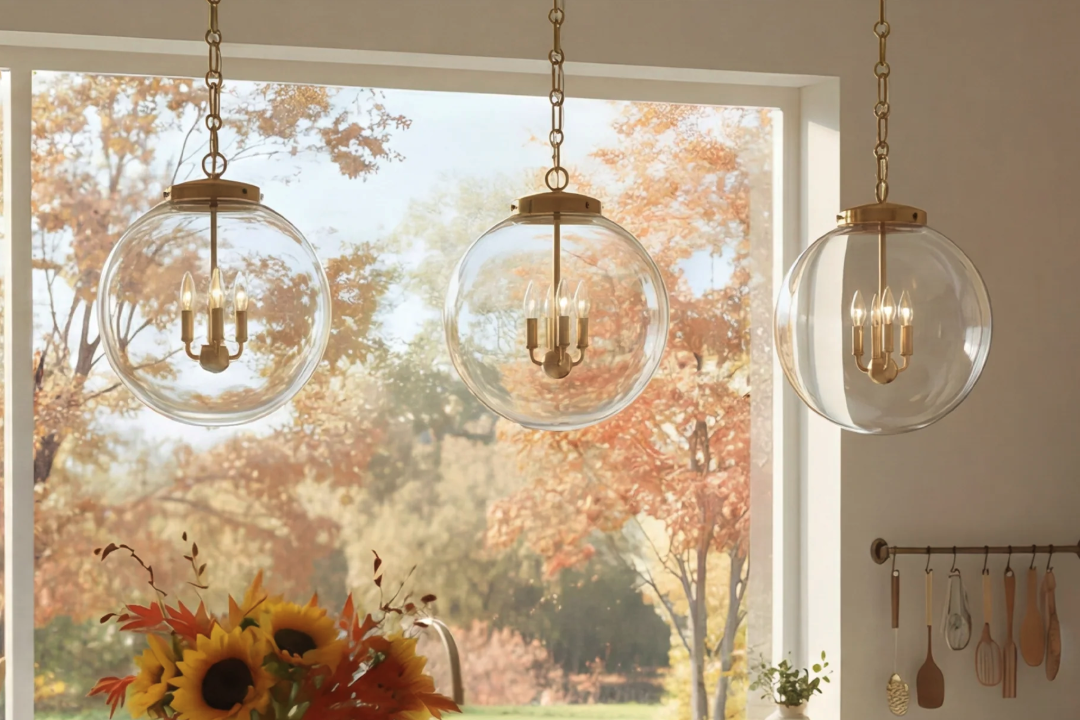
So, you’re wondering about clear glass lighting and what it’s all about? Simply put, it’s a style of lighting fixture where the glass component is transparent, allowing you to see the bulb inside. This isn’t just about illuminating a space; it’s about showcasing the bulb itself as an integral part of the design. Think of it as putting your lightbulb on display, letting its shape, filament, and glow become a key aesthetic element rather than something hidden away. It’s a fantastic way to add character and a unique touch to any room.
There are several compelling reasons why clear glass lighting Mssloan has become so popular, extending beyond just its looks. It offers a distinct advantage in terms of light output and the overall feeling it creates in a space.
Maximizing Light Output
Unlike frosted or opaque glass, clear glass doesn’t obstruct the light. Every lumen your bulb produces gets to shine through unimpeded. This means you get the full brightness and spread of light from your chosen bulb, which can be particularly useful in areas that need good illumination, such as kitchens, home offices, or reading nooks. You’re not losing any of that precious light to a diffusing shade.
Emphasizing the Bulb’s Aesthetic
This is where clear glass lighting truly shines. Modern bulbs, especially LED and Edison-style filaments, are designed to be beautiful. With clear glass, these bulbs aren’t just functional; they’re decorative. You can choose bulbs with intricate filament patterns, unique shapes (like globe, pear, or spiral), or even tinted glass to create a specific mood. The fixture itself becomes a frame for this miniature work of art.
Creating an Open and Airy Feel
Clear glass, by its very nature, is visually lightweight. It doesn’t add visual bulk to a space. This can be a huge benefit in smaller rooms or areas where you want to maintain an open and airy feel. A large fixture with opaque glass might feel heavy and imposing, but the same size fixture with clear glass can feel much lighter and less intrusive, allowing the eye to pass through it effortlessly.
Versatility in Design
Clear glass lighting is incredibly versatile. It can complement a wide range of interior design styles, from industrial and minimalist to modern farmhouse and even traditional. The fixture’s metalwork or frame can dictate its overall style, while the clear glass ensures it never feels too heavy or dated. This adaptability makes it a safe bet for many different homes and allows for easy updates by simply changing the bulb.
Types of Clear Glass Lighting Fixtures
The world of clear glass lighting isn’t limited to a single style. There’s a vast array of fixture types that utilize this transparent approach, each offering unique benefits and aesthetic appeals.
Pendants and Chandeliers
These are perhaps the most common applications for clear glass. Pendant lights with clear glass shades are fantastic for task lighting over kitchen islands, dining tables, or bedside. Chandeliers, often featuring multiple clear glass elements or exposed bulbs, can make a stunning statement in an entryway or dining room, providing ample light and a touch of elegance without feeling overly ornate.
- Single Pendants: Perfect for focused light and creating visual interest when grouped.
- Multi-Light Pendants: Offer more substantial illumination and design impact.
- Linear Chandeliers: Great for long tables or islands, providing even light distribution.
- Clustered Chandeliers: Create a dramatic focal point with varied bulb heights.
Sconces and Wall Lights
Clear glass sconces can add a sophisticated touch to hallways, bathrooms, or flanking a fireplace. They provide ambient or accent lighting and, like their pendant counterparts, allow the bulb to become a design feature. In bathrooms, they can offer excellent task lighting around mirrors without obscuring the light.
- Up-lighting Sconces: Direct light upwards, creating a softer, indirect glow.
- Down-lighting Sconces: Provide more direct illumination to the area below.
- Globe Sconces: Often feature a spherical clear glass shade for a minimalist look.
Flush Mounts and Semi-Flush Mounts
For spaces with lower ceilings, clear glass flush mounts and semi-flush mounts are an excellent choice. They sit closer to the ceiling, maximizing headroom, while still offering the benefits of clear glass design. These can be particularly effective in hallways, closets, or laundry rooms where good, unobtrusive lighting is key.
- Drum Flush Mounts: A classic shape that offers even light distribution.
- Geometric Flush Mounts: Introduce interesting shapes and lines to the ceiling.
- Sputnik Semi-Flush Mounts: Feature multiple arms and bulbs for a modern, impactful look.
Table and Floor Lamps
While less common than overhead fixtures, clear glass is also used in table and floor lamps. In these applications, the clear glass often forms the base or a significant part of the lamp’s structure, allowing the internal wiring or decorative elements to be seen, further emphasizing transparency and lightness. The shade itself might be clear or just the body of the lamp.
- Sculptural Bases: Clear glass bases can be intricately shaped, adding an artistic touch.
- Exposed Bulb Designs: Lamps specifically designed to showcase a decorative bulb.
- Tiered Designs: Multiple clear glass elements stacked to create height and interest.
Choosing the Right Bulb for Your Clear Glass Fixture
Since the bulb is front and center with clear glass lighting, selecting the right one isn’t just about brightness; it’s about aesthetics and atmosphere.
Edison-Style Filaments
These are probably the most iconic choice for clear glass fixtures. Their visible, intricate filaments, often warm in color temperature, evoke a vintage or industrial feel. They cast a cozy, inviting glow and are perfect for creating ambiance. Keep in mind that many Edison-style bulbs are lower in lumens, so they might be better suited for accent lighting or spaces where a softer glow is desired.
- Spiral Filaments: Offer a captivating, artful look when illuminated.
- Squirrel Cage Filaments: A classic Edison style with a distinctive, crisscrossing pattern.
- Hairpin Filaments: More linear and often found in more modern interpretations.
LED Filaments
Modern LED technology has brought us LED filament bulbs that mimic the look of traditional incandescent filaments but with all the energy efficiency and longevity of LEDs. They come in various color temperatures, from very warm (2200K) to cooler whites, offering more versatility in mood. They are also available in a multitude of shapes and sizes.
- Dimmer Compatibility: Crucial for setting the right mood, especially with visible filaments.
- Color Temperature (Kelvin): Affects the warmth or coolness of the light.
- CRI (Color Rendering Index): Indicates how accurately colors are represented under the light.
Globe Bulbs (G-Series)
Spherical globe bulbs are another popular option. They offer a clean, minimalist look, especially in clear glass. They come in various sizes (G25, G30, G40) and can provide a more diffused light than some filament bulbs, depending on the internal structure. They’re excellent for modern and contemporary aesthetics.
- Opal Finish: While often clear, some globe bulbs come in an opal (milky white) finish if you prefer a softer, diffused glow but still want the globe shape.
- Large Sizes: Can make a bold statement, especially in larger fixtures.
Tinted and Smoked Bulbs
For a more dramatic or moody effect, consider tinted or smoked glass bulbs. These bulbs inherently dim the light output, so they’re best used when ambient lighting is the primary goal, or in conjunction with other light sources. They can add a touch of sophistication and vintage charm.
- Amber Tint: Creates an extra warm and inviting glow.
- Smoked Grey: Offers a cool, sophisticated, and often industrial aesthetic.
- Iridescent Finish: Adds a subtle, colorful shimmer to the light.
Designing with Clear Glass Lighting
Incorporating clear glass lighting into your home involves more than just picking out a fixture. It’s about thoughtful placement, layering, and understanding how it interacts with the rest of your decor.
Layering Light Effectively
Clear glass fixtures, especially those with decorative bulbs, often excel at providing ambient or accent lighting. For functional spaces like kitchens or bathrooms, consider pairing them with recessed lighting or under-cabinet lighting to ensure you have enough task-specific illumination. Think about creating a “lightscape” rather than relying on a single light source.
- Ambient Lighting: The overall light in a room (often provided by clear glass pendants or chandeliers).
- Task Lighting: Focused light for specific activities (e.g., reading lamps, under-cabinet lights).
- Accent Lighting: Highlights features or creates dramatic effects (e.g., sconces, picture lights).
Integrating with Room Style
While versatile, clear glass lighting works particularly well with certain aesthetics. It complements industrial styles with its exposed elements, minimalist designs with its transparency, and modern farmhouse looks with its clean lines and often black or bronze finishes. Consider the fixture’s metal finish and shape to ensure it aligns with your existing decor.
- Industrial: Often features black or bronze metal, cages, and vintage-style bulbs.
- Modern Minimalist: Clean lines, polished chrome or matte black finishes, simple bulb shapes.
- Scandinavian: Natural wood accents, white or light-colored metals, warm-toned bulbs.
- Transitional: A blend of classic and contemporary, often with brushed nickel or brass.
Scale and Placement
The size of your clear glass fixture should be proportionate to the room and the area it illuminates. A large pendant over a small island might feel overwhelming, just as a tiny fixture in a grand entryway would get lost. Pay attention to hanging height – ensure pendants over dining tables or islands don’t obstruct views or head space.
- Over Dining Tables: Typically 30-36 inches above the tabletop.
- Over Kitchen Islands: Similar to dining tables, considering clearance for standing.
- Hallways: Ensure enough headroom clearance for passing underneath.
- Bathroom Sconces: Place at eye level, usually 60-65 inches from the floor, flanking the mirror.
Considering Reflections and Glare
Because the glass is clear and the bulb is exposed, you might experience more reflections or glare, especially with very bright bulbs or in rooms with many reflective surfaces. This is something to be aware of. Using dimmer switches is highly recommended for clear glass fixtures, allowing you to adjust the light output and minimize glare when needed. Also, consider the viewing angles; if a bright bulb is directly in someone’s line of sight, it might be uncomfortable.
- Dimmers: Essential for controlling brightness and preventing harsh glare.
- Bulb Brightness (Lumens): Choose appropriate lumens for the fixture’s placement and purpose.
- Room Layout: Think about where people will be sitting or standing in relation to the light source.
Maintenance and Cleaning of Clear Glass Lighting
Keeping your clear glass lighting looking its best is fairly straightforward, but it does require a bit of regular attention to maintain its transparent sparkle.
Regular Dusting
Clear glass, much like any other surface, will attract dust. Regular dusting with a microfiber cloth or a soft duster will keep it looking clean and prevent dust buildup from obscuring the light. If your fixture is in a high-traffic area or prone to collecting dust, a quick weekly or bi-weekly wipe down can make a big difference.
- Microfiber Cloth: Excellent for trapping dust without scratching.
- Soft Duster: Good for reaching crevices or delicate parts of the fixture.
- Extendable Dusters: Useful for high-mounted fixtures.
Occasional Cleaning for Smudges
Fingerprints, cooking grease, or general grime can accumulate over time, especially in areas like kitchens or bathrooms. For these situations, a more thorough cleaning is necessary. Always ensure the power to the fixture is turned off before cleaning.
- Glass Cleaner: A standard glass cleaner applied to a soft cloth (never spray directly on the fixture).
- Warm Soapy Water: A gentle solution for more stubborn grime, using a soft cloth and ensuring to dry thoroughly afterward to prevent water spots.
- Vinegar Solution: A diluted vinegar and water solution can also be effective for a streak-free shine.
- Drying: Always dry the glass thoroughly with a clean, lint-free cloth to avoid water spots or streaks.
Bulb Care
Since the bulb is visible, you might also want to gently dust or wipe down the bulbs themselves, especially decorative filament bulbs. Again, ensure the power is off and the bulb is cool before touching it. Avoid using harsh chemicals on bulbs, especially if they have any special coatings. A dry microfiber cloth is usually sufficient for cleaning bulbs.
- Power Off: Always the first step before touching bulbs or cleaning fixtures.
- Cool Bulbs: Ensure bulbs have cooled down completely before handling.
- Gentle Cleaning: A dry microfiber cloth is usually best for bulbs.
By following these practical tips, your clear glass lighting fixtures will continue to provide both brilliant illumination and stunning visual appeal in your home, showcasing those beautiful bulbs for years to come.