Olive Glass Lighting: Earthy Elegance for Living Rooms
Olive glass lighting might not be the first thing that springs to mind when you think of living room décor, but honestly, it’s a really subtle way to bring a touch of natural, earthy elegance into your space. Think of it as a sophisticated whisper rather than a shouting match of color. It’s that muted, sophisticated green that reminds you of olive groves in the Mediterranean or the subtle hues found in nature. It’s not bright or overpowering; instead, it lends a calming, grounding feel to your living room.
This kind of lighting is fantastic because it’s versatile. It can lean into a more modern aesthetic or really shine in a room with a bit of a bohemian or rustic vibe. The beauty of olive glass is its understated charm. It’s the kind of detail that elevates your room without demanding all the attention. If you’re looking for something unique that feels both chic and inviting, olive glass lighting is definitely worth exploring. It offers a gentle way to play with color and atmosphere, creating a living room that feels both stylish and wonderfully comfortable.
So, what exactly is it about olive glass that makes it such a good fit for living rooms? It’s all about that color. It’s not a bold, vibrant green. Instead, it’s a more muted, earthy tone, reminiscent of actual olives, or perhaps the soft green of moss after a rain. This subtle shade has a natural ability to create a calming and inviting atmosphere. Unlike brighter colors that can sometimes feel overwhelming, olive glass offers a gentle, grounding presence.
What Makes Olive Glass Different?
The key differentiator for olive glass is its hue. It’s a complex color, often with hints of brown or gray mixed in, which gives it a sophisticated depth. This complexity means it doesn’t clash easily with other colors in your décor. It blends, it complements, it adds a layer of visual interest without being jarring. It’s this nuanced quality that allows it to feel both contemporary and timeless.
Bringing Nature Indoors
There’s an inherent connection between olive green and the natural world. Think of rolling hills, ancient trees, and serene landscapes. Incorporating olive glass lighting is like bringing a piece of that tranquility indoors. It’s a way to create a living room that feels like a sanctuary, a place where you can truly relax and unwind. This connection to nature can have a surprisingly positive impact on your mood and overall well-being.
Choosing the Right Olive Glass Fixture
The term “olive glass lighting” is quite broad, encompassing a range of fixture types. Deciding which kind will best suit your living room depends on your existing décor, the function of the light, and the overall ambiance you’re aiming for. It’s not just about the color; it’s about the form and how it integrates with your space.
Pendant Lights: Statement Pieces with a Soft Touch
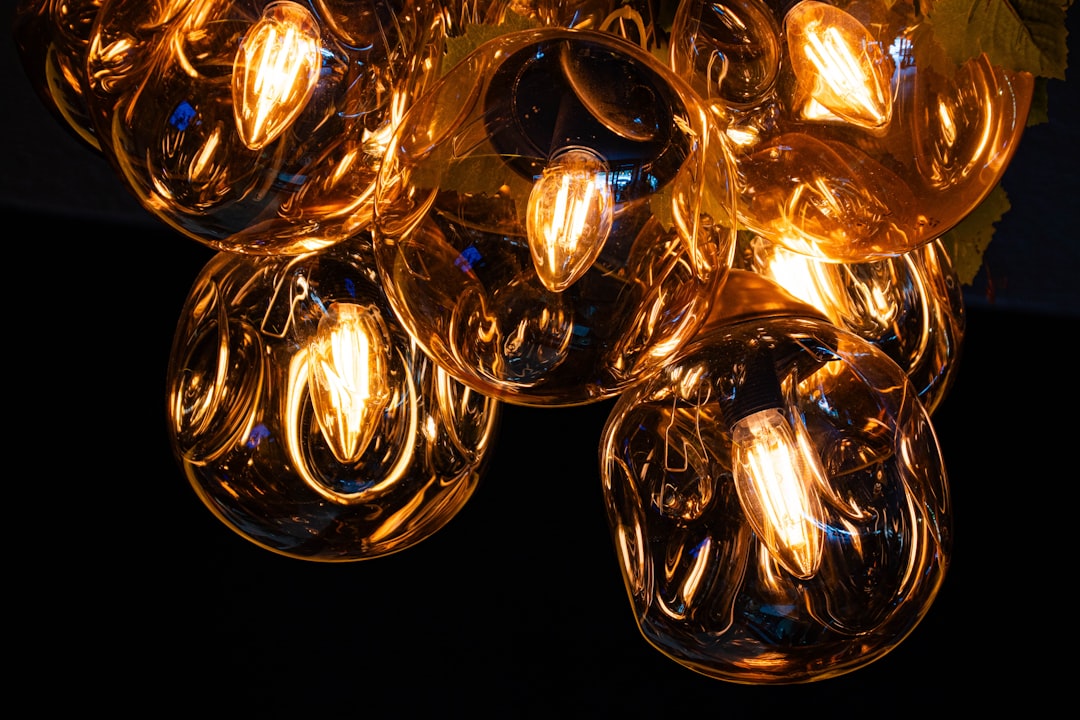
Pendant lights are a fantastic way to introduce olive glass as a focal point. You can hang a single pendant over a coffee table or a cluster of smaller pendants above a side table. The glass shade itself, when illuminated, will cast a soft, diffused light with that signature olive hue. This creates an intimate and sophisticated mood, perfect for evening relaxation.
Over the Coffee Table
A well-placed olive glass pendant above your coffee table can anchor the seating area and provide focused light for reading or simply enjoying a drink. The gentle glow will create a cozy atmosphere, making your living room feel more inviting.
In a Reading Nook
If you have a dedicated reading corner, a smaller pendant with an olive glass shade can provide the perfect amount of targeted light without being harsh. It adds a touch of decorative flair to an often-overlooked area.
Table Lamps: Versatile Accents
Table lamps are arguably the most versatile lighting option. An olive glass table lamp can sit on an end table, a console, or even a bookshelf, adding a touch of ambient light and decorative interest wherever it’s placed. The beauty here is in the detail – the way the glass catches the light, the shape of the shade, and how it contributes to the overall feel of the room.
On End Tables
Flanking a sofa with two olive glass table lamps creates a sense of balance and symmetry. They provide functional light for tasks like knitting or scrolling on your phone, while also adding a visual element that complements your upholstery and accent pieces.
On Console Tables
A stylish olive glass table lamp on a console table behind your sofa or in an entryway can offer a warm welcome. It’s a way to add a touch of personality to a transitional space and make it feel more integrated with the rest of your home.
Floor Lamps: Ambient Glow and Task Lighting
Floor lamps are excellent for filling larger spaces and providing both ambient and task lighting. An olive glass floor lamp can be positioned in a corner to illuminate the general area or placed beside an armchair to provide reading light. The larger surface area of a floor lamp’s shade means more of that beautiful olive glass is visible, making a more significant visual impact.
Corner Illumination
A floor lamp with an olive glass shade can cast a soft, widespread light, making a previously dark corner feel more inviting and usable. It can help to define different zones within your living room.
Beside a Reading Chair
Similar to a pendant light in a reading nook, an olive glass floor lamp next to your favorite armchair offers focused light for reading without sacrificing style. It becomes a functional piece of art.
Integrating Olive Glass into Your Living Room Style
The beauty of olive glass lies in its adaptability. It can seamlessly blend with various décor styles, offering a unique twist that sets your living room apart. It’s not about forcing a trend, but about finding a natural fit that enhances your personal aesthetic.
Modern Minimalist Charm
For a modern minimalist living room, olive glass can introduce a subtle touch of warmth and organic feel. Think clean lines and a restrained color palette. An olive glass pendant light with a simple geometric design or a sleek table lamp can add just enough visual interest without overwhelming the space. The muted color prevents it from feeling too stark, and the glass itself adds a touch of sophistication.
Clean Lines, Soft Hues
The combination of minimalist design and the soft, earthy tones of olive glass creates a balanced aesthetic. It’s about achieving a look that is refined and uncluttered, with carefully chosen elements that contribute to a sense of calm.
Subtle Color Accents
Instead of bold splashes of color, olive glass provides a sophisticated way to introduce a hint of green into a neutral palette. This approach is elegant and modern, offering a refreshing alternative to brighter accent colors.
Bohemian Rhapsody
Olive glass is a natural fit for bohemian or eclectic living rooms. Its earthy tone complements natural materials like wood, rattan, and natural fibers. Imagine an olive glass pendant light in a room filled with macramé, potted plants, and vintage textiles. It adds depth and a touch of worldly charm without being too loud.
Natural Materials Harmony
The organic feel of olive glass pairs wonderfully with other natural elements. It can bridge the gap between different textures and materials, creating a cohesive and inviting bohemian space.
Layering Textures and Colors
In a bohemian setting, olive glass lighting can add another layer to the rich tapestry of textures and colors. It’s a sophisticated detail that enhances the overall bohemian narrative without disrupting the free-spirited vibe.
Rustic and Farmhouse Appeal
For living rooms leaning towards rustic or farmhouse styles, olive glass offers a connection to traditional craftsmanship and natural elements. It can evoke the feeling of an old-world farmhouse kitchen or a cozy cottage. A table lamp with a more artisanal design or a pendant with a slightly textured glass finish would fit perfectly.
Earthy Tones and Warmth
The earthy nature of olive glass aligns perfectly with the warm, grounded aesthetic of rustic and farmhouse décor. It reinforces the sense of comfort and home that these styles aim to achieve.
Artisanal Touches
Look for olive glass fixtures with hand-blown textures or unique shapes to complement the artisanal feel of rustic and farmhouse interiors. These details add character and a sense of history.
The Impact of Olive Glass on Room Atmosphere
The choice of lighting significantly influences the mood and feel of a room. Olive glass, with its specific color properties, offers a distinct advantage in shaping the atmosphere of your living room. It’s not just about brightness; it’s about the quality of light and the emotional response it elicits.
Creating a Calming Ambiance
The muted, natural tones of olive glass are inherently soothing. When light filters through this colored glass, it casts a soft, diffused glow that can help to reduce stress and promote relaxation. This makes it an ideal choice for a living room, a space often used for unwinding and spending quality time.
Soft, Diffused Light
Unlike clear glass or bright white bulbs, olive glass softens the light, reducing glare and creating a more gentle illumination. This contributes to a relaxed and comfortable environment.
Muted Tones for Serenity
The color itself plays a crucial role. Olive green is associated with peace, balance, and nature, all of which contribute to a serene atmosphere in your living room.
Enhancing Visual Warmth
While not a warm color like amber or gold, olive green can contribute to a sense of visual warmth through its connection to nature and its muted, earthy quality. It prevents a room from feeling too sterile or cold, adding a subtle layer of coziness.
A Natural Connection
The link to the natural world imbues the light with a sense of organic warmth, making the space feel more inviting and grounded.
Subtle Depth and Richness
The complex hues within olive glass add a subtle richness to the light, making it feel more substantial and less utilitarian than plain glass. This can make your living room feel more welcoming and lived-in.
Practical Considerations for Olive Glass Lighting
Beyond the aesthetic appeal, there are practical aspects to consider when choosing and using olive glass lighting in your living room. Thinking these through will ensure you get the most out of your investment and avoid any potential issues.
Bulb Choice Matters
The type of bulb you use in an olive glass fixture can significantly alter the color and quality of the light. While some people prefer the look of the glass itself, others might find the olive tint too strong or too weak depending on the bulb.
Warm White vs. Cool White
Warm white LED bulbs (around 2700K-3000K) will generally enhance the green tones and create a cozier, more inviting glow. Cool white bulbs (above 4000K) might make the green appear more muted or even shift towards a bluer tone, which might not be the desired effect. Experimentation is key.
Dimmable Options
Opting for dimmable bulbs and fixtures is always a good idea for living rooms. This allows you to adjust the intensity of the light to suit different activities and times of day, further controlling the ambiance created by your olive glass lighting.
Maintenance and Cleaning
Olive glass, like most glass, requires regular cleaning to maintain its shine and prevent dust buildup. The method will depend on the specific finish of the glass.
Gentle Cleaning Solutions
For most glass surfaces, a soft, lint-free cloth dampened with a mild glass cleaner or a mixture of water and a few drops of dish soap is sufficient. Avoid abrasive cleaners or harsh chemicals that could damage the finish.
Wiping Down Shades
Regularly wipe down the glass shades to remove dust and smudges. For fixtures with intricate designs or metal components, be sure to follow the manufacturer’s instructions for cleaning to avoid any damage.
Durability and Quality
The quality of the olive glass itself can vary. When purchasing, look for signs of good craftsmanship.
Hand-Blown vs. Molded
Hand-blown glass often has slight imperfections that add character and uniqueness, which can be a desirable trait. Molded glass will be more uniform. Consider which style best suits your preference.
Thickness and Finish
Thicker glass generally feels more substantial and durable. Pay attention to the finish of the glass – is it smooth and glossy, or does it have a frosted or textured appearance? Each will impact the light diffusion differently.
By considering these practical elements, you can ensure that your olive glass lighting not only looks beautiful but also functions effectively and remains a cherished part of your living room for years to come. It’s about making informed choices that lead to a space that is both aesthetically pleasing and highly functional.