Colorful Glass Lighting: Illuminating Food to Look Delicious
You’ve probably noticed that some food just looks better than others, even before you take a bite. Often, the secret isn’t just the chef’s skill, but the lighting. Specifically, the right kind of colorful glass lighting can make a huge difference in how appetizing food appears. It’s not about making food glow in the dark, but about subtly enhancing its natural colors and textures, making it truly pop and inviting diners to dig in. Think about how a perfectly grilled steak looks under warm, amber light compared to a harsh, white fluorescent bulb – it’s a world of difference. This isn’t just an aesthetic choice; it’s a psychological one, influencing our perception of flavor and freshness.
Our brains are wired to associate certain colors with specific qualities in food. These associations are deeply ingrained, often stemming from evolutionary experiences. When lighting Zabavas interacts with these innate connections, it can dramatically alter our perception of a dish.
Warm Tones: Comfort and Richness
Colors like reds, oranges, and yellows evoke feelings of warmth, comfort, and richness. They tend to make food look more inviting and, in many cases, more palatable.
The Appeal of Amber and Gold
Amber and golden hues, often achieved through yellow or orange glass fixtures, can make baked goods look perfectly golden-brown, roasted meats appear succulent, and even enhance the perceived sweetness of desserts. This warmth also creates a cozy, welcoming atmosphere in dining spaces, which subtly encourages guests to relax and enjoy their meal. Think of the warm glow in a bakery display case; it highlights the crust of a loaf of bread and the golden sheen of a croissant, making them irresistible. Similarly, a rich, amber light over a slow-cooked stew can emphasize its depth of flavor and hearty ingredients.
Red’s Role in Freshness and Meat
A touch of red in the lighting, perhaps from a ruby-toned glass, can make red meats appear fresher and more vibrant. It can also make fruits look riper and more appealing. However, too much red can be overpowering and make other foods look unnatural, so it’s about careful application. For instance, a subtle red undertone can make a prime rib look perfectly cooked and juicy, while also highlighting the vibrant colors of a fresh berry compote.
Cool Tones: Caution and Crispness
Blue and green tones, while sometimes used for specific effects, generally need to be handled with more care when illuminating food. They can sometimes make food appear less appetizing or even spoiled, due to our evolutionary programming to avoid certain colors in nature.
The Pitfalls of Blue and Green
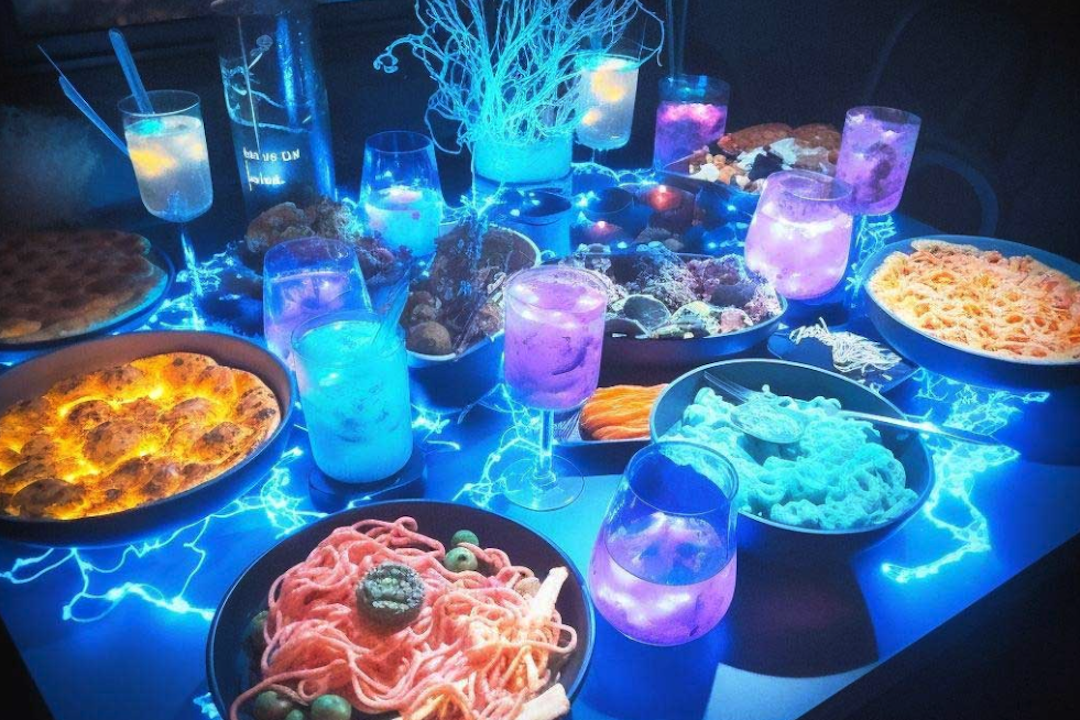
Blue light, in particular, can make food look less appetizing, as it’s not a color we typically associate with fresh, edible produce or cooked dishes. Think of the bluish tint on food under mercury vapor lamps – it’s rarely appealing. However, in very specific contexts, like highlighting a clear beverage or creating a specific ambiance, it can work. Green light can sometimes make fresh greens look crisper, but it can also make other foods appear unappetizingly artificial or even moldy if not used sparingly and thoughtfully. It’s a fine line to walk. For example, a crisp, almost icy blue can make a glass of gin and tonic sparkle, but the same light over a plate of pasta would drain it of its natural warmth and appeal.
Strategic Use for Specific Effects
When used subtly and intentionally, cool tones can have their place. A hint of cool light might make seafood look pristine and fresh, or emphasize the “cleanliness” of a dessert like a lemon meringue. It’s about precision and understanding the specific impact. Imagine a delicate, almost pearlescent blue hue that makes a display of oysters on ice appear even more pristine and refreshing.
The Art of Choosing Colorful Glass Lighting Fixtures
Selecting the right fixtures goes beyond just picking a pretty color. It involves considering the glass type, the light source, and the overall design. The goal is to enhance the food without making the lighting itself the star of the show, unless that’s the specific design intent.
Types of Colored Glass
Different types of colored glass will diffuse and filter light in distinct ways, leading to varying effects on the food below.
Stained Glass and Its Unique Diffusion
Stained glass offers a unique opportunity to introduce multiple colors and patterns. When light passes through, it casts beautiful, soft, and often multi-hued shadows. This can create a wonderfully artistic and intimate atmosphere, perfect for a bistro or a themed restaurant. However, the diffusion can sometimes be too distracting if the goal is purely to illuminate food, so careful design is key. Imagine a stained-glass pendant lamp above a small dining table, casting gentle, colorful patterns that dance over a freshly baked focaccia, adding to the artisanal feel of the meal.
Art Glass for Subtle Hues
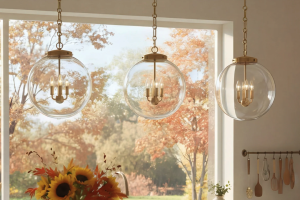
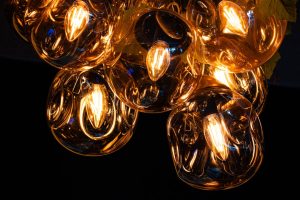
Art glass, often hand-blown, can provide subtle, nuanced color variations that are less assertive than traditional stained glass. It allows for a softer wash of color, enhancing food without overwhelming it. Think of a fixture with a gentle amber swirl or a frosted peach tint – these can add warmth without drawing too much attention away from the dishes. A hand-blown glass shade with a gentle gradient of amber to clear, positioned above a dessert display, can make pastries glow with an almost ethereal quality.
Opalescent and Frosted Glass for Softening
Opalescent or frosted colored glass diffuses light beautifully, creating a soft, even glow. This is excellent for general illumination over a food area, as it reduces harsh shadows and provides a more flattering light for most dishes. It’s less about direct color projection and more about creating a colored ambiance. A series of frosted pink or peach opalescent glass pendants above a salad bar can make fresh greens and vegetables look vibrant and inviting without any harsh reflections.
Light Sources and Their Impact
The type of bulb you use within your colored glass fixture is just as important as the glass itself. Different light sources have different color temperatures and rending capabilities, which directly affect how colors are perceived.
Incandescent and LED Warmth
Traditional incandescent bulbs naturally emit a warm, yellowish light, which complements many food types. When paired with colored glass, they can further enhance these warm tones. LEDs, on the other hand, offer more versatility. You can find LEDs that mimic warm incandescent light, or even use tunable LEDs to adjust the color temperature and intensity, offering unprecedented control over the food’s appearance. An incandescent bulb behind an amber glass shade will create an incredibly rich, warm glow that makes comfort food look even more comforting. With tunable LEDs, a chef could subtly shift the light from a warm amber for roasted dishes to a slightly cooler, yet still inviting, peach for a fresh seafood platter throughout the evening.
Halogen for Crispness and Clarity
Halogen bulbs provide a very bright, crisp white light with excellent color rendering. When filtered through colored glass, they maintain a good degree of clarity while taking on the hue of the glass. This can be great for making colors pop and highlighting textures, but they do produce more heat than LEDs. Imagine a halogen bulb behind a vibrant ruby-red glass shade, making the colors of a fresh fruit tart truly sing, with each berry glistening under the clear, crisp light.
Dimmable Options for Flexibility
Regardless of the light source, choosing dimmable fixtures is always a smart move. It allows you to adjust the intensity of the light throughout the day or for different dining experiences, giving you ultimate control over the atmosphere and the appearance of your food. A restaurant could dim their amber glass pendants as the evening progresses, shifting from a bright, inviting lunch atmosphere to a more intimate, romantic dinner setting, subtly changing how the food is perceived at each stage.
Strategic Placement and Application in Dining Settings
It’s not enough to simply hang a colored glass fixture; its placement and how its light interacts with the food are crucial. Think about the specific purpose of the lighting in each area.
Above the Display: Highlighting Freshness and Abundance
In areas where food is displayed – think buffets, dessert counters, or produce sections – the lighting needs to make items look fresh, abundant, and appealing.
Buffets and Salad Bars
For buffets, warmer, soft lighting from overhead colored glass fixtures can make hot dishes look inviting and help cold dishes maintain their perceived freshness. For salad bars, a very subtle cool tone (like a barely-there hint of green or blue in the glass) can make greens look crisp, but this needs to be balanced to avoid making other ingredients look dull. A series of large, shallow glass domes in a soft, frosted amber over a hot buffet section makes casseroles and roasts appear steaming hot and delicious. Conversely, above a salad bar, smaller pendants with a very slight green tint in the glass can make lettuce and herbs look extra vibrant without affecting the appearance of other ingredients.
Dessert Counters
Desserts often benefit from warm, inviting light. Golden, amber, or even soft pink glass fixtures can make pastries, cakes, and chocolates look decadent and irresistible. The goal here is to emphasize sweetness, richness, and craftsmanship. A row of bell-shaped glass pendants, in a rich, warm peach or rose gold hue, suspended above a dessert display, can make chocolates glisten and mousses look impossibly fluffy, inviting customers to indulge.
Over the Table: Enhancing the Dining Experience
At individual tables, the lighting should be flattering to both the food and the diners, creating an enjoyable and intimate atmosphere.
Pendant Lighting for Focus
Pendant lights with colored glass shades hung directly above tables can create a focused pool of light on the dishes. This draws the eye to the food, making it the star of the show. The color of the glass can then subtly enhance the dish’s appearance. Imagine individual blown-glass pendants in a rich burgundy or deep amber over each table in a fine dining restaurant. The concentrated light would perfectly illuminate a perfectly plated dish, making the colors pop and the textures inviting, while leaving the rest of the table in a flattering, subtle glow.
Sconces and Indirect Lighting for Ambiance
While direct overhead lighting is important, sconces with colored glass or indirect lighting filtered through colored panels can add to the overall ambiance. These provide a softer, more diffused light that can create mood without directly altering the food’s appearance as much. They are crucial for creating a complete and cohesive lighting scheme. Wall sconces with frosted art glass in a soft, warm yellow can cast a gentle glow on the walls, complementing the direct lighting on the tables and adding to the overall cozy atmosphere of a trattoria.
Practical Considerations and Maintenance
Beyond aesthetics, there are practical aspects to consider when implementing colorful glass lighting, ensuring longevity and optimal performance.
Cleaning and Durability
Colored glass, especially intricate designs, requires regular cleaning to maintain its brilliance. Dust and grime can dull its effect. Choosing durable glass types and fixtures that are easy to access for cleaning is important, especially in a food-service environment where grease and steam can accumulate. Simple soap and water for most glass, or specialized cleaners for delicate art glass, will keep them sparkling.
Heat Dissipation
Depending on the light source, some fixtures can generate significant heat. Ensure that the chosen glass can withstand the heat without cracking or discoloring over time. LEDs are generally cooler, making them a safer bet for many colored glass applications. If using halogen or incandescent bulbs, ensure proper ventilation around the fixture.
Cost vs. Impact
Colorful glass lighting can range from affordable mass-produced pieces to exquisite, hand-blown art. Balance your budget with the desired impact. Sometimes, a few strategically placed high-quality pieces can have more impact than numerous cheaper, less effective fixtures. It’s an investment in the dining experience, so consider the return on that investment in terms of customer satisfaction and perceived value.
Safety and Regulations
Always ensure that any lighting fixtures installed in a food service environment comply with local electrical codes and safety regulations. This includes proper wiring, installation, and ensuring fixtures are appropriate for the environment (e.g., damp-rated for areas with steam).
Beyond the Plate: Extending the Color Palette
While the primary focus is on how lighting affects food, the use of colorful glass can also enhance the overall dining space, creating a cohesive and inviting atmosphere that subtly reinforces the appetizing quality of the food.
Thematic Harmony
The colors chosen for the lighting can extend to other elements of the dining room décor, such as textiles, tableware, or wall art. This creates a harmonious environment where the lighting feels like an integral part of the design, not just an afterthought. If you’re using warm amber lighting over your food displays, incorporating amber accents in your glassware or using warm-toned wood in your furniture will create a visually unified and calming environment.
Seasonal Adjustments
Consider the possibility of rotating colored glass shades or using tunable LED systems to adjust the lighting seasonally. Warmer tones might be more inviting in winter, while slightly cooler, fresher hues could be appealing in spring and summer. This keeps the dining experience dynamic and fresh, encouraging repeat visits. Imagine switching from rich, deep ruby glass shades in the colder months to lighter, more vibrant emerald or aquamarine shades for spring and summer, subtly altering the mood and enhancing different seasonal menus.
Creating Signature Looks
Unique, custom-designed colorful glass fixtures can become a signature element of a restaurant’s brand. This can set a dining establishment apart, creating a memorable experience for guests and reinforcing its unique identity. A restaurant known for its seafood might commission custom glass fixtures in varying shades of seafoam green and soft blue, creating an immersive, ocean-inspired ambiance that perfectly complements their menu.
Ultimately, the goal of using colorful glass lighting to illuminate food is to create an experience. It’s about leveraging psychology, design, and practical application to make food not just taste good, but look undeniably delicious, inviting diners to savor every moment. It’s a subtle yet powerful tool in the arsenal of anyone looking to elevate the presentation and perception of their culinary creations.