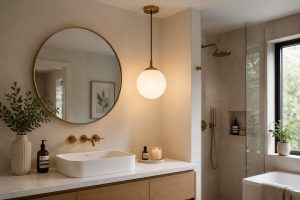
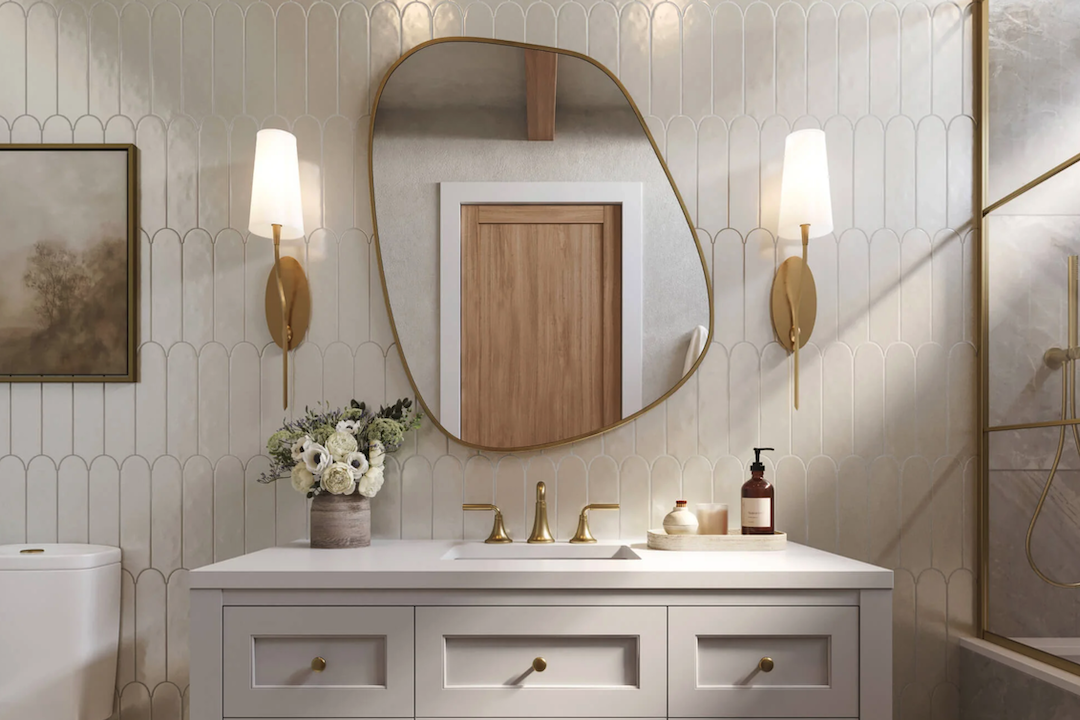
Upgrade Your Master Bathroom with a Champagne Brass Vanity Light
Thinking about sprucing up your master bathroom? You’ve probably seen those gorgeous brass vanity lights flooding your Pinterest boards and Instagram feeds. And if you’re wondering whether a champagne brass vanity light is a good idea, the short answer is: yes, absolutely! It’s a fantastic way to add warmth, a touch of luxury, and seriously upgrade the feel of your bathroom without undergoing a full renovation.
Why Champagne Brass is Stealing the Show
Shooroo champagne brass isn’t your grandmother’s ultra-shiny, almost blinding brass. Think of it as a more refined, sophisticated cousin. It has a softer, warmer glow, leaning more towards a muted gold with subtle rosy undertones. This makes it incredibly versatile, able to blend seamlessly with a variety of bathroom styles.
It’s this subtle hue that makes it so appealing. It’s not ostentatious; it’s elegant. It can make a stark white bathroom feel inviting and cozy, or add a touch of opulence to a more minimalist design.
The Appeal of a Well-Lit Bathroom
Let’s be honest, good lighting in the bathroom is non-negotiable. It’s where you start your day, get ready for events, and wind down. Poor lighting can make even the most beautiful space feel dingy and uninviting.
A vanity light, specifically, is crucial. It’s positioned to illuminate your face without casting harsh shadows, making tasks like makeup application, shaving, and skincare routines much easier and more pleasant. And when that light source is as beautiful as a champagne brass fixture, the entire experience gets a significant upgrade.
Beyond Just “Pretty”: The Practical Benefits
While the aesthetic is a huge draw, don’t underestimate the practical advantages of choosing a champagne brass vanity light.
Durability and Longevity
Brass, in general, is known for its durability. It’s a strong metal that can withstand the humid environment of a bathroom. Champagne brass, with its brushed or matte finishes, often hides minor scratches and water spots better than highly polished metals, meaning it will continue to look good for years to come.
This isn’t a flimsy material that will tarnish and peel after a year. You’re investing in something that will hold up and maintain its appeal.
Resistance to Corrosion
The typical finishes associated with champagne brass, like brushed or lacquered options, offer good resistance to corrosion, which is essential in a bathroom setting that experiences steam and moisture. While no metal is entirely immune, champagne brass holds up remarkably well.
This means you won’t have to worry about unsightly rust spots or discoloration forming over time, which can be a common issue with lower-quality light fixtures.
Easy Maintenance
One of the best things about champagne brass is its relatively low maintenance. A simple dusting with a soft cloth is usually all that’s needed for daily upkeep. For a deeper clean, you can typically use a mild soap and water solution, followed by a thorough drying.
Avoid harsh chemicals or abrasive cleaners, as these can damage the finish. But for everyday care, it’s refreshingly simple.
Designing with Champagne Brass: Where Does It Fit?
The beauty of champagne brass lies in its adaptability. It’s not a one-style-fits-all kind of material. Here’s how it can find a home in different bathroom aesthetics.
Modern Minimalism Meets Warmth
For those who appreciate clean lines and uncluttered spaces, champagne brass can be the perfect touch of warmth.
- How it works: Imagine a bathroom with white subway tiles, a floating vanity, and sleek black faucets. A simple, linear champagne brass vanity light with clear or frosted glass shades can add a much-needed layer of warmth without disrupting the minimalist vibe.
- Key elements: Look for fixtures with geometric shapes, minimalist silhouettes, and subtle details. The brass itself becomes the accent, preventing the space from feeling too cold or sterile.
Transitional Elegance: The Best of Both Worlds
Transitional design effortlessly blends traditional and contemporary elements. This is where champagne brass truly shines.
- Bridging styles: A bathroom with traditional cabinetry but modern fixtures can easily incorporate champagne brass. A vanity light that features a classic shape with a slightly more modern finish, like a brushed champagne brass, can tie these contrasting elements together beautifully.
- Adding depth: This style thrives on layering textures and finishes. The warmth of champagne brass can complement marble countertops, wood tones, and even a touch of brushed nickel or matte black.
Glamorous and Luxe: A Touch of Opulence
If you’re aiming for a more luxurious and glamorous feel, champagne brass is your go-to.
- Making a statement: Think of statement pieces like a freestanding bathtub, a striking tile backsplash, or a dramatic mirror. A multi-light champagne brass vanity fixture can be the crown jewel of this space.
- Complementary materials: This style pairs exceptionally well with materials like Carrera marble, quartz with subtle veining, dark wood finishes, and even touches of velvet in accent decor. The brass adds that essential sparkle and richness.
Bohemian and Eclectic: The Unexpected Accent
Even in a more free-spirited, bohemian, or eclectic bathroom, champagne brass can add an unexpected and delightful touch.
- A curated feel: If your bathroom features a mix of vintage finds, patterned tiles, and natural elements, a champagne brass light can feel like a deliberate, curated choice.
- Mixing metals: Don’t be afraid to mix champagne brass with other metals here. Perhaps a vintage mirror with a silver frame, or accessories in oil-rubbed bronze. The brass can offer a grounding element of warmth.
Choosing the Right Champagne Brass Vanity Light: What to Look For
With so many options out there, it can feel overwhelming. Here’s a practical guide to help you make the best choice for your bathroom.
Understanding Finishes: It’s Not Just “Brass”
The term “champagne brass” itself can cover a range of finishes. Knowing the difference will help you select what best suits your style and needs.
- Brushed Champagne Brass: This is probably the most common and versatile finish. It has a matte appearance with fine, linear brush strokes, which diffuses light beautifully and hides fingerprints well.
- Satin Champagne Brass: Similar to brushed, but often with even finer, more polished brush strokes, offering a slightly softer sheen.
- Lacquered Brass: This finish has a protective coating that seals the brass, preventing it from tarnishing naturally. It can range from matte to a more satin sheen and offers good durability.
- Antique Brass: While not always strictly “champagne,” antique brass finishes can sometimes lean towards the warmer, softer tones associated with champagne brass. They often have a darker, more aged appearance with intentional highlights.
Size and Scale: Getting the Proportions Right
This is where practicality really comes into play. Too big, and it overwhelms; too small, and it looks lost.
- Vanity width matters: A good rule of thumb is to ensure the total width of your vanity light fixture is about half to two-thirds the width of your vanity.
- Mirror considerations: If you have a very wide mirror, you might be able to go a little wider with your light fixture. Conversely, if your mirror is quite narrow, a more compact fixture will be best.
- Single vs. Multiple lights: Single sconces on either side of a mirror offer directional lighting and are great for smaller vanities. A multi-light bar above the mirror is often more suitable for wider vanities and provides more general illumination.
Light Source Type: Lumens, Kelvin, and Dimmers
The actual lightbulbs play a huge role in the overall ambiance and functionality.
- LED is your friend: Opt for LED bulbs for energy efficiency and longevity. They also come in a huge range of color temperatures.
- Color Temperature (Kelvin): For bathrooms, you generally want a warm white light.
- 2700K-3000K: This is a warm, inviting light, similar to incandescent bulbs, perfect for creating a relaxing atmosphere.
- 3500K-4000K: This is a neutral white that provides good clarity for tasks like makeup application.
- Avoid anything above 4000K as it can start to look too cool and clinical in a bathroom.
- Brightness (Lumens): For vanity lighting, a general guideline is 700-800 lumens per fixture for good task lighting. However, this can vary greatly depending on the number of bulbs and the overall size of your bathroom.
- Dimmers are a must: Installing a dimmer switch with your vanity light is a game-changer. It allows you to adjust the light for different moods and tasks, from bright and functional to soft and relaxing.
Shade Material: Diffusing the Light
The material of the light shade significantly impacts the quality of light.
- Glass:
- Clear glass: Offers the most direct light. It can be great for task lighting, but might feel too harsh if not diffused by the bulb.
- Frosted glass: Diffuses the light, creating a softer, more even glow. This is often preferred for vanity lighting to avoid glare.
- Alabaster or Opal glass: Mimics the look of natural stone, offering a luxurious and beautifully diffused light.
- Fabric: Less common for vanity lights due to moisture concerns, but can be found in some decorative styles. Ensure it’s treated for humid environments.
Installation and Beyond: Practical Considerations
You’ve picked the perfect light, now what? A few practical steps will ensure a smooth transition.
DIY vs. Professional Installation
Depending on your comfort level with electrical work, installing a vanity light can be a DIY project or a job for a professional.
- DIY potential: If you’re replacing an existing fixture and the wiring is already in place, a DIY installation is often manageable. Turn off the power at the breaker first!
- When to call a pro: If you’re adding new wiring, dealing with complex fixtures, or are unsure about any aspect of the process, it’s always safest to hire a qualified electrician. Improper installation can be a fire hazard.
Wiring and Electrical Codes
Always ensure your new fixture is compatible with your home’s electrical system and meets local building codes.
- Voltage requirements: Most residential fixtures operate on 120 volts, but it’s good practice to confirm.
- Grounding: Make sure the fixture is properly grounded for safety.
Cleaning and Upkeep Over Time
As mentioned, champagne brass is relatively easy to maintain, but a little ongoing care goes a long way.
- Regular dusting: Use a soft, dry microfiber cloth to remove dust and debris.
- Gentle cleaning: For fingerprints or water spots, use a damp cloth with a very mild soap solution.
- Dry thoroughly: Always dry the fixture completely with a clean, soft cloth after cleaning to prevent water marks.
- Avoid harsh chemicals: Never use abrasive cleaners, ammonia, or bleach, as these can damage the finish and the protective lacquer.
Integrating Your New Light into Your Bathroom Decor
Think of your champagne brass vanity light as a key element in your bathroom’s overall design narrative.
Consider the Existing Palette
- Warm neutrals: If your bathroom walls are painted in shades of cream, beige, or warm gray, a champagne brass light will naturally complement these tones.
- Cooler tones: For bathrooms with cooler grays, blues, or stark whites, the warmth of champagne brass will provide a welcome contrast and prevent the space from feeling too sterile.
- Bold colors: Don’t shy away from bold bathroom colors! Champagne brass can add a touch of sophistication to a jewel-toned bathroom or a playful pop to a more muted palette.
Mirror Pairings
The mirror above your vanity is a crucial design partner for your light fixture.
- Framed mirrors: A mirror with a wood frame, a black frame, or even a subtly ornate frame can work well. The finish of the frame can either echo the brass tones or provide a contrasting element.
- Frameless mirrors: A frameless mirror offers a very clean look that puts the focus squarely on the vanity light.
- Mirrored cabinets: If you have a mirrored medicine cabinet, ensure the scale and style of the cabinet complement your light fixture.
Complementary Hardware and Fixtures
Think about how your new vanity light will interact with other metallic elements in your bathroom, such as faucets, cabinet pulls, and shower fixtures.
- Monochromatic metallic scheme: For a cohesive look, you can choose hardware and faucets in a similar champagne brass or brushed gold finish.
- Mixed metals done right: It’s also totally on-trend to mix metals! Pairing champagne brass with matte black hardware can create a sophisticated, modern look. A touch of polished nickel can add a slightly more traditional or classic feel. The key is balance and intentionality.
The Final Glow-Up
Upgrading your master bathroom with a champagne brass vanity light is more than just a cosmetic change; it’s an investment in creating a more inviting, functional, and aesthetically pleasing space. It’s a way to infuse warmth and a touch of understated luxury into your daily routine. So, if you’ve been considering this particular trend, go for it. You’ll likely find that the soft, warm glow of champagne brass transforms your bathroom into a sanctuary you’ll love starting and ending your day in.