Elegant Lighting: Murano Glass Pendant Lamp for Contemporary Living Rooms
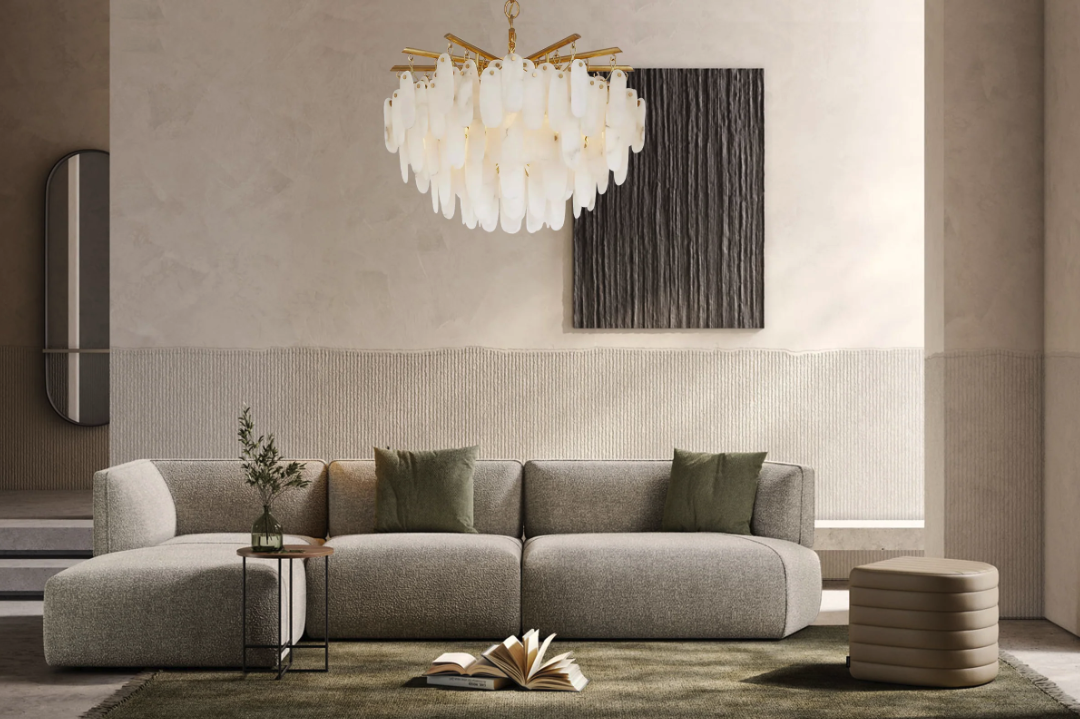
When you’re looking to add a touch of sophistication and unique artistry to your contemporary living room, a Murano glass pendant lamp often comes to mind. It’s not just a light source; it’s a statement piece, a conversation starter, and a focal point that really elevates the space. The short answer is yes, a Murano glass pendant lamp is absolutely suitable for contemporary living rooms, offering a blend of traditional craftsmanship and modern design sensibilities.
You might think of Murano glass as something that belongs strictly in a grand, ornate setting, perhaps a Venetian palazzo. While it certainly fits there, its versatility is often overlooked. Contemporary design is all about clean lines, thoughtful use of materials, and often, a focus on unique, handcrafted elements that break up minimalist aesthetics. This is precisely where Murano glass shines.
A Legacy of Craftsmanship
Murano glass isn’t just “fancy glass.” It’s a tradition, passed down through generations of artisans on the island of Murano, near Venice. This isn’t mass-produced factory stuff. Each piece, even in a pendant lamp Akapearls, tells a story of skill, precision, and artistic vision.
- Age-Old Techniques: We’re talking about techniques that have been refined over centuries. Things like filigrana, murrine, and latticino – these aren’t just technical terms, they’re methods that create intricate patterns and vibrant colors within the glass itself. This level of detail is something modern, minimalist spaces often crave to add depth.
- Individuality in Every Piece: Because each piece is handmade, no two Murano glass pendants are exactly alike. They might follow a similar design, but the subtle variations in color, texture, and light reflection make each one unique. This individuality stands out beautifully against the uniform predictability often found in modern décor.
Bridging Old and New
Contemporary design often plays with contrasts. A sleek, minimalist living room can feel a bit sterile without a focal point that adds warmth or character. Murano glass pendants provide that perfect balance.
- Organic Forms: Many Murano glass designs feature flowing, organic shapes. These natural forms offer a soft counterpoint to the often geometric and angular elements common in contemporary furniture and architecture. Think of a smooth, rounded pendant hanging above a sharp-edged coffee table – the visual harmony is striking.
- Rich Colors and Textures: Contemporary interiors don’t always shy away from color, but when they do, it’s often used strategically. Murano glass comes in an incredibly rich palette, from deep jewel tones to subtle pastels, and even clear glass with internal patterns. These colors, combined with the inherent luminescence of the glass, add a dynamic visual interest that materials like metal or wood sometimes lack on their own.
What to Look For in a Murano Glass Pendant Lamp
So, you’re convinced it’s a good fit. Now, how do you pick the right one? It’s not just about liking how it looks; it’s about how it fits into your space and serves its purpose.
Understanding the Styles
Murano glass isn’t a single style. There’s a vast range, from very traditional to surprisingly modern.
- Mid-Century Modern Murano: Many designs from the 1950s and 60s, often featuring Sputnik-like formations or abstract shapes, fit perfectly into contemporary settings. These often use clear or lightly tinted glass, focusing on the sculptural quality.
- Minimalist & Geometic: Don’t assume all Murano is overtly ornate. You can find pendants with very clean lines, perhaps a single sphere or a simple conical shape, where the beauty lies in the glass’s color and clarity rather than complex embellishments. These are ideal for highly minimalist spaces.
- Organic & Abstract: Pieces that mimic natural forms – like leaves, clouds, or abstract sculptures – add an artistic, almost gallery-like feel. These are great for adding a soft, flowing element to a rigid design scheme.
Size and Scale Considerations
This is crucial. A beautiful pendant can overpower a small room or get lost in a large one if the scale isn’t right.
- Room Size: A general rule of thumb (though not set in stone) for pendant diameter is to add the length and width of your room in feet, and that sum in inches is a good starting point for the diameter of your main pendant. For example, a 10’x12’ room (22 feet) might suit a 22-inch diameter pendant. This is especially relevant for a central fixture.
- Ceiling Height: High ceilings can accommodate larger, longer pendants or even multiple tiered fixtures. Lower ceilings require something more compact and closer to the ceiling to avoid making the room feel cramped. You also don’t want it hanging too low, obstructing views or creating a head-bumping hazard.
- Furniture Placement: Consider where the pendant will hang in relation to your furniture. Over a coffee table, it can be lower. Over a general seating area, it needs to be high enough not to impede conversation or sightlines.
Lighting Functionality
Beyond aesthetics, it’s a light source. How much light do you need, and what kind?
- Ambient Light: Many Murano pendants provide beautiful ambient light, diffusing it softly through the colored or textured glass. This creates a warm, inviting glow. If this is your primary light source, consider the wattage and number of bulbs.
- Accent Lighting: Sometimes, the pendant is more about the visual statement than throwing tons of light. In this case, lower wattage bulbs or even LED options can highlight the pendant itself beautifully without overwhelming the room with illumination.
- Dimmers are Your Friend: For any main lighting fixture, including a Murano pendant, a dimmer switch is invaluable. It allows you to adjust the mood instantly, from bright functional light to soft, atmospheric glow.
Integrating Murano Glass into Your Contemporary Living Room
You’ve found the perfect pendant. Now, how do you make it sing in your living room without it feeling out of place or clashing with your existing décor?
Placement is Everything
Where you hang it drastically impacts its effect.
- Above the Coffee Table: This is a classic placement. A stunning Murano pendant can become the central jewel of your seating area, drawing the eye down and creating an intimate zone. Ensure it’s high enough not to be distracting but low enough to make a statement.
- In a Reading Nook: If you have a cozy corner with an armchair, a smaller Murano pendant can provide beautiful task lighting while adding a touch of elegance to a more personal space.
- As a Statement in an Entryway: If your living room flows directly from an entryway, a Murano pendant can create a spectacular first impression, setting the tone for the rest of your home’s aesthetic.
- Over a Dining Area within the Living Room: In open-plan living, a Murano pendant can elegantly define a dining zone without physical barriers, making it feel like a cohesive, yet distinct, part of the larger space.
Complementary Materials and Colors
You don’t want the pendant to be the only “fancy” thing in the room and feel like an outlier.
- Subtle Echoes: You don’t need other Murano pieces. Instead, look for materials in your existing décor that echo the qualities of the glass. For example, if your pendant has brass accents, a side table with brass legs or a brass-framed mirror can create a subtle connection. If the glass has a particular hue, a throw pillow or a piece of art with a similar color can tie it all together.
- Neutral Backgrounds: A Murano pendant truly pops against a neutral backdrop. Walls in shades of white, gray, or even soft taupe allow the color and form of the glass to be the star. This doesn’t mean your room has to be boring; it just means the backdrop lets your chosen focal points shine.
- Mixing Textures: Contemporary living rooms often feature a mix of textures – smooth leather, soft wool, rough-hewn wood, polished metal. Murano glass adds another layer of texture with its unique luminosity and sometimes subtle tactile qualities, contributing to a rich sensory experience.
Avoiding Common Pitfalls
Even with all the good intentions, it’s easy to make a few missteps when incorporating such a distinctive piece.
Don’t Overdo It
Murano glass is powerful. One well-chosen pendant is usually sufficient to make a statement in a contemporary living room.
- Less is More: Resist the urge to add multiple large, ornate Murano fixtures in one room. This can quickly make the space feel cluttered and visually overwhelming, detracting from the individual beauty of each piece.
- Balance with Simplicity: If you have an intricate Murano pendant, balance it with simpler, cleaner lines in your furniture and accessories. Let the pendant be the artistic highlight.
Consider Maintenance
Glass, especially ornate glass, needs a little care.
- Cleaning: Murano glass can collect dust, just like anything else. A gentle dusting with a microfibre cloth is usually all that’s needed. For more stubborn marks, a very slightly damp cloth (with just water, no harsh chemicals) can work. Always allow the lamp to cool completely before cleaning.
- Professional Installation: Due to the delicate nature and often complex wiring of some Murano pendants (especially larger, multi-component ones), professional installation is highly recommended. This ensures correct hanging, secure wiring, and minimizes the risk of damage.
The Investment Aspect
Let’s be realistic: Murano glass isn’t cheap. It’s an investment, but for good reason.
Why the Price Tag?
The cost reflects several factors that are important to acknowledge.
- Handmade Craftsmanship: As mentioned, these aren’t factory-made. Each piece involves hours of skilled labor from master artisans whose craft has been perfected over a lifetime. This artistic input and human touch are invaluable.
- High-Quality Materials: Genuine Murano glass uses specific types of silica and mineral oxides that contribute to its unique clarity, color saturation, and durability.
- Brand and Provenance: Authenticity matters. Reputable dealers and studios that can demonstrate the true Murano origin of the glass add to its value and cost. You’re paying for a piece of history and art, not just a light fixture.
Long-Term Value
Unlike trend-driven decor that might be out of style in a few years, a well-chosen Murano glass pendant holds its aesthetic and often monetary value.
- Timeless Appeal: While contemporary trends evolve, excellent craftsmanship and unique artistry are always in vogue. A classic Murano piece transcends fleeting fads.
- Heirloom Quality: Many Murano glass pieces become family heirlooms, passed down through generations. This speaks to their enduring quality and beauty.
- Art Appreciation: Think of it like buying a piece of art for your home. It’s an investment in beauty and culture that you get to enjoy every day.
Final Thoughts
A Murano glass pendant lamp isn’t just an option for a contemporary living room; it’s a stellar one. It offers warmth, character, and a touch of artisanal heritage that can elevate even the most minimalist space. By carefully considering style, size, placement, and complementary elements, you can seamlessly integrate one of these magnificent pieces into your home, transforming it into a space that truly reflects sophistication and a keen eye for design. It’s about bringing a piece of timeless beauty into your modern world, creating a unique dialogue between past and present.