
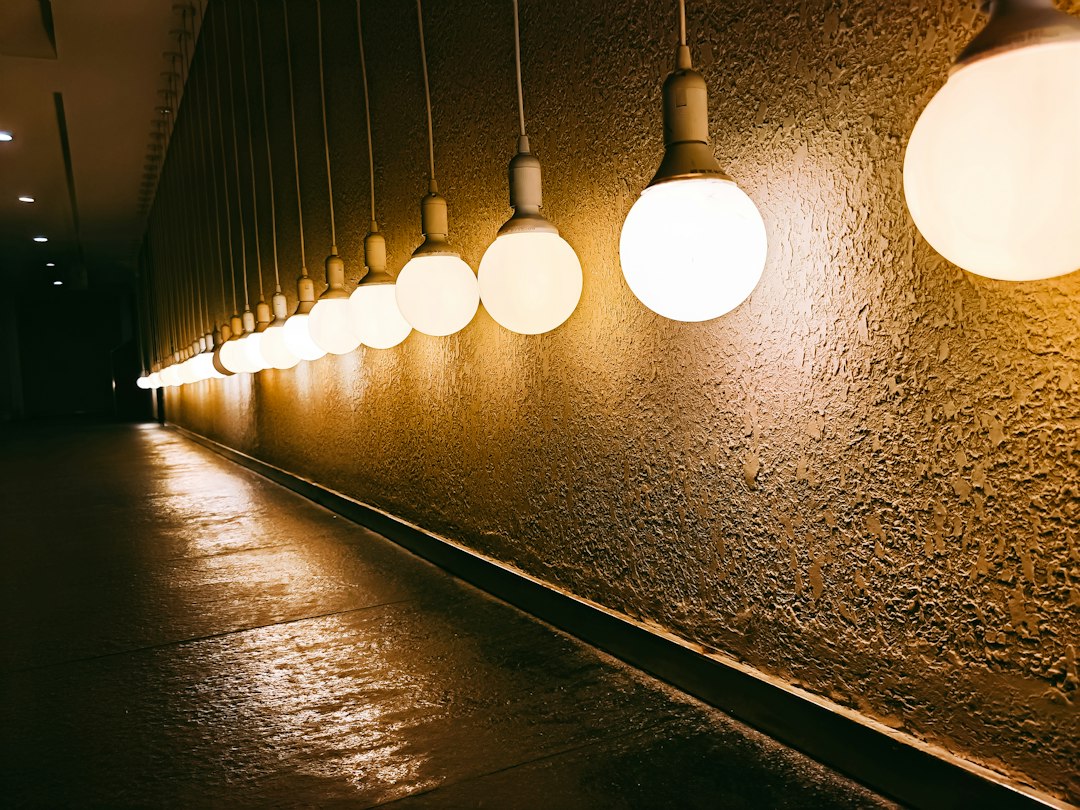
Energy-Saving Tips for Hallway Wall Lights: Brighten Smartly
You can absolutely save energy with your hallway wall lights by making a few smart choices about bulbs, fixtures, and how you use them. It’s not about sacrificing light or making your hallway feel like a cave; it’s about being efficient and thoughtful with your illumination. Let’s dive into some practical ways to brighten your space without brightening your electricity bill.
The Foundation: Choosing the Right Bulbs
The biggest impact on energy consumption from your hallway lights starts with the type of bulb you’re using. This is where most people can make immediate, significant savings.
Understanding LED Technology
LEDs (Light Emitting Diodes) are the undisputed champions of energy efficiency in lighting today. They use significantly less electricity than older incandescent or even CFL bulbs to produce the same amount of light, and they last a very long time.
Longevity and Cost Savings
While the upfront cost of an LED bulb might seem higher than a traditional incandescent, their lifespan often ranges from 15,000 to 50,000 hours. Compare that to an incandescent’s typical 1,000-hour life. This means fewer replacements, less waste, and over time, a much lower total cost of ownership. The energy savings compound this benefit significantly.
Lumens vs. Watts
Forget watts when choosing an LED for brightness. Watts measure energy consumption, not light output. Instead, look at lumens. For a hallway, you might need anywhere from 200 to 800 lumens per fixture, depending on the size of the hallway and how much ambient light you want. A good rule of thumb: a 60-watt incandescent is roughly equivalent to an 8-10 watt LED producing around 800 lumens.
Color Temperature Considerations
LEDs come in various color temperatures, measured in Kelvins (K). Lower Kelvin numbers (2700K-3000K) produce a “warm white” light, similar to traditional incandescents, which can feel cozy and inviting in a hallway. Higher numbers (4000K-5000K) offer a “cool white” or “daylight” feel, which might be too stark for a residential hallway but can be useful in certain task-oriented areas. For most hallways, aiming for something in the 2700K to 3000K range is a safe bet.
Stepping Away from Older Technologies
If you’re still using incandescent bulbs in your hallway wall lights, switching to LEDs is the absolute easiest and most impactful step you can take.
The Incandescent Energy Drain
Incandescent bulbs work by heating a filament until it glows. A staggering 90% of the energy they consume is converted into heat, not light. This makes them incredibly inefficient. Swapping these out for LEDs will immediately reduce the energy used by that fixture by 80-90%.
CFLs: A Mid-Ground Option (But Still Outdated)
Compact Fluorescent Lamps (CFLs) were once considered the energy-saving alternative to incandescents. While they are more efficient than incandescents, they still fall short compared to LEDs. They often have a warm-up period, can contain mercury (requiring special disposal), and don’t typically last as long as LEDs. If you have CFLs, an upgrade to LED is still a smart move for even greater savings and better performance.
Smarter Lighting Control and Usage
Choosing the right bulbs is crucial, but how you control and use your lights plays an equally important role in energy saving.
Dimmer Switches for Versatility
Installing dimmer switches is a fantastic way to save energy and enhance the ambiance of your hallway.
Reducing Power Consumption
When you dim an LED light, it uses less electricity. It’s that simple. Instead of having your lights at full brightness all the time, you can dial them down when you don’t need maximum illumination, such as late at night or during the day when there’s some natural light seeping in.
Creating the Right Mood
Beyond energy savings, dimmers offer flexibility. A bright hallway might be great for cleaning, but a softly lit one is much more pleasant for an evening stroll to the kitchen. This versatility makes your lighting more functional and enjoyable. Just make sure the LED bulbs you purchase are “dimmable” – not all are, and using a non-dimmable bulb on a dimmer switch can cause flickering or damage.
Motion Sensors and Timers
Automating your hallway lights can ensure they’re only on when needed, which is a powerful energy-saving strategy.
Motion Sensors for Transient Spaces
Hallways are often transient spaces – you walk through them, but you don’t typically linger. A motion sensor, often built into the light fixture itself or as a wall switch, will turn the light on when it detects movement and then turn it off after a set period of inactivity. This eliminates the “forgot to turn off the light” problem. It’s particularly useful in areas where hands might be full, like coming in with groceries.
Timers for Scheduled Illumination
If you prefer a more predictable lighting schedule, a timer switch can be a good option. You can set it to turn lights on at dusk and off at dawn, or only during specific hours of the evening. This is less dynamic than a motion sensor but can still prevent lights from being left on unnecessarily. Some advanced smart home systems allow for more sophisticated scheduling based on astronomical clocks (sunrise/sunset).
Leveraging Natural Light
Don’t underestimate the power of daylight. Maximizing natural light reduces the need for artificial illumination.
Strategic Placement and Refinements
If your hallway has windows or is near rooms with windows, consider how light flows. Light-colored paint on hallway walls can help reflect natural light further into the space. Avoiding dark, heavy curtains or obstructions near natural light sources will also make a difference. Even a well-placed mirror can bounce natural light around and make a hallway feel brighter without turning on a switch.
Smart Fixture Choices and Placement
It’s not just the bulb; the fixture itself and where you put it can significantly impact both energy use and overall effectiveness.
Opting for Efficient Fixture Designs
Some fixtures are inherently more efficient at delivering light where it’s needed.
Open vs. Enclosed Fixtures
Open fixtures, or those with minimal diffusers, allow more light to escape the bulb and into the room. Heavily enclosed or decorative fixtures, especially those with dark glass or intricate patterns, can trap a lot of light, meaning you need a brighter bulb (and thus more energy) to achieve the same perceived brightness. For energy efficiency, simpler, more open designs are often better.
Reflective Interior Surfaces
The interior of the fixture itself plays a role. Fixtures with highly reflective internal surfaces (like polished chrome or white paint) can help direct light more effectively, requiring less powerful bulbs. Dark or matte interiors absorb light, reducing the fixture’s overall efficiency.
Strategic Placement for Maximum Impact
Where you place your wall lights matters for both aesthetics and functionality, which in turn influences how many lights you need and how much energy they consume.
Eliminating Dark Spots
The goal is even illumination, not just bright spots. Placing lights strategically to eliminate dark corners or shadows means you won’t feel the need to over-light the entire space. Consider the length of your hallway and the beam spread of your chosen lights. Two well-placed, efficient fixtures might be better than three poorly placed, less efficient ones.
Task-Specific vs. Ambient Lighting
In a hallway, you’re usually aiming for ambient lighting. Wall lights are excellent for this, creating a soft, inviting glow. Avoid placing them so high that they only light the ceiling, or so low that they create harsh glare. Eye-level or slightly above is often ideal for comfortable ambient light. If there’s a specific area in the hallway where a task might be performed (e.g., a small console table), a slightly brighter or more focused light there might be appropriate, but the main wall lights should focus on general illumination.
Regular Maintenance and Cleaning
This might seem minor, but a clean fixture and a functioning system are more efficient.
Keeping Bulbs and Fixtures Clean
Dust and dirt are surprisingly good at blocking light.
Dust Buildup Reduction
Over time, dust will accumulate on your light bulbs and inside your light fixtures. This dust layer acts as a filter, reducing the amount of light that actually gets into your hallway. A dusty bulb might emit 10-20% less light than a clean one, meaning you’re paying for light that you’re not getting.
Simple Cleaning Routine
Periodically, when the lights are off and cool, give your bulbs and fixture covers a gentle wipe down with a soft, damp cloth. For glass covers, a mild glass cleaner can work wonders. This simple task can noticeably brighten your hallway without using a single extra watt of electricity.
Checking Electrical Connections
While not directly about saving energy on a daily basis, ensuring your electrical system is in good working order prevents energy waste and ensures safety.
Preventing Energy Leaks
Faulty wiring or loose connections can lead to resistance, which generates heat and wastes energy, even if it’s a small amount. More importantly, it can be a fire hazard. While this is less about changing a bulb and more about professional electrical inspection, it’s worth a mention for overall efficiency and safety.
Prolonging Fixture Lifespan
Good electrical connections also ensure your fixtures operate as intended, prolonging their lifespan and reducing the need for premature replacements, which has its own environmental and economic benefits.
Integrating Smart Home Technology
For those who enjoy a bit of tech, smart home systems offer the ultimate in control and efficiency for hallway lighting.
Smart Bulbs and Switches
Smart lighting brings a whole new level of control and customization.
Remote Control and Scheduling
Smart bulbs (which connect to Wi-Fi or Bluetooth) or smart switches (which replace your existing wall switch) allow you to control your hallway lights from your phone, even when you’re not home. Forgot to turn them off? No problem. Want to schedule them to come on just before you arrive home? Easy. This granular control minimizes wasted energy.
Advanced Automation Features
Many smart lighting systems can be integrated with motion sensors, door sensors, or even your home’s security system. Imagine your hallway lights gently illuminating when you unlock your front door, or turning on only when motion is detected during nighttime hours, then dimming slowly as you reach your bedroom. This level of automation ensures lights are only on exactly when and where they’re needed.
Voice Control for Convenience
Beyond energy savings, voice control adds a layer of convenience that can subtly influence energy habits.
Hands-Free Operation
“Hey Google, turn off the hallway lights.” Simple commands mean you’re less likely to leave lights on just because you’re too comfortable to get up and flip a switch. This small friction reduction can lead to more conscious energy use over time.
Integration with Other Devices
Smart home hubs can integrate your hallway lights with other devices. For example, your hallway lights could dim when you start a movie in the living room, or brighten when your alarm goes off in the morning, creating a dynamic lighting environment that adapts to your daily routine, all while optimizing energy use.
By thoughtfully applying these tips, from the simple act of choosing an LED bulb to integrating advanced smart home controls, you can significantly reduce the energy consumption of your hallway wall lights. It’s about being informed and making choices that work for your home and your wallet, without ever compromising on a beautifully lit and welcoming hallway.