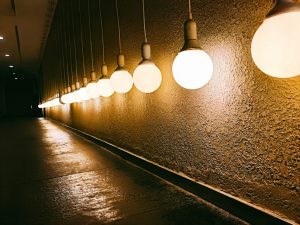
Hallway Wall Light Size & Wattage Guide for Perfect Illumination
When it comes to hallway wall lights, picking the right size and wattage isn’t just about looking good; it’s about making your space feel welcoming and safe. Too small, and your hallway feels dim and forgotten. Too big, and it can overwhelm the space or create an uncomfortable glare. The wattage, or more accurately, the lumen output of the bulb, directly dictates how much light you get, influencing both functionality and atmosphere. This guide will help you navigate these choices, ensuring your hallway is perfectly illuminated without unnecessary fuss.
Understanding Hallway Lighting Needs
Your hallway isn’t just a pass-through; it’s an integral part of your home’s flow and aesthetic. Good lighting here enhances the overall feel of your house, guides movement, and can even highlight decor. But what does “good lighting” actually mean for a hallway?
Ambient Lighting Essentials
Ambient lighting is your main source of illumination. For hallways, this usually means a gentle, even spread of light that prevents dark spots and makes navigating easy. It’s about creating a general sense of brightness without being harsh. Wall lights are fantastic for this because they can cast light upwards, downwards, or both, bouncing it off walls and ceilings to achieve that soft, widespread glow. Think about how natural light feels in a well-lit room – that’s the feeling you’re aiming for, but with artificial sources. The goal is to avoid areas that feel like a cave and areas that feel like an interrogation room.
Task and Accent Lighting Considerations (Often Minimal for Hallways)
While task lighting (like for reading) isn’t typically a primary concern in hallways, accent lighting can be. Accent lighting focuses on highlighting specific features, such as artwork, architectural details, or even a texture on a wall. Wall-mounted picture lights or specific spotlights can achieve this. However, for most hallways, the primary focus remains on ambient lighting. Overdoing accent lighting in a narrow space can feel cluttered. If you have a long hallway with a gallery wall, a subtle uplight or downlight from a wall sconce can beautifully illuminate the pieces without needing separate accent fixtures. The key is subtlety and integration.
The Impact of Wall Color and Ceiling Height
The color of your walls and the height of your ceiling play a huge role in how light is perceived. Lighter walls reflect more light, making a space feel brighter and larger, meaning you might need fewer or lower-wattage fixtures. Darker walls absorb light, requiring more powerful illumination to achieve the same brightness. Similarly, high ceilings can dilute light more, while lower ceilings might feel brighter with less wattage but also risk feeling overwhelmed by large fixtures. Always consider these factors when planning your lighting scheme. A long, dark hallway will require a very different approach than a short, bright one.
Sizing Your Hallway Wall Lights
Getting the size right is crucial for both aesthetics and functionality. A fixture that’s too small gets lost, while one that’s too big can dominate the space in an awkward way. There’s a practical side to this too: a larger fixture might house more powerful bulbs, affecting light output.
General Sizing Guidelines Based on Hallway Dimensions
There isn’t a single magic formula, but some general guidelines can help. For typical hallways (around 3-4 feet wide), sconces that are roughly 1/6th to 1/4th the height of the wall (from floor to ceiling) often look balanced. So, for an 8-foot ceiling, a sconce between 16 and 24 inches tall is a good starting point. The width of the fixture should generally be proportional to its height, avoiding anything that protrudes too much into the walkway.
For very narrow hallways (under 3 feet), consider sleeker, more streamlined fixtures that don’t project far from the wall. In wider hallways (5+ feet), you have more flexibility and can explore larger or more decorative options.
Spacing Between Wall Lights
If you’re using multiple wall lights, spacing them correctly is key to achieving even illumination and a cohesive look. A common rule of thumb is to space them approximately 6 to 8 feet apart, depending on their light output and the overall length of the hallway. For a very long hallway, you might want to place one at each end and then evenly space the others in between.
Consider placing the first sconce about 1 to 2 feet from the end of the hallway (or corner) to avoid dark corners. Test this by holding up a mock-up (even just a piece of cardboard cut to the fixture’s size) before drilling holes. You want to avoid creating pools of light separated by dark voids. The goal is a continuous, inviting glow.
Height of Wall Lights on the Wall
Mounting height is just as important as the size of the fixture itself. The typical mounting height for wall sconces is around 60 to 72 inches from the floor to the center of the fixture. This places them generally at or slightly above eye level for most adults, minimizing glare and ensuring the light spreads effectively.
However, this can vary based on the fixture’s design. If the light source is exposed, mounting it higher can prevent direct glare. If it’s an uplight or downlight that casts light onto the ceiling or floor, the exact height might be adjusted to achieve the desired effect. For particularly tall ceilings, you might consider mounting them slightly higher, but always keep glare in mind.
Decoding Wattage and Lumens for Hallways
Gone are the days when ‘wattage’ was the sole indicator of brightness. With the prevalence of energy-efficient LEDs, ‘lumens’ are now the true measure of how much light a bulb emits. Understanding this shift is vital for effective hallway illumination.
Lumens vs. Watts: The Modern Light Metric
- Watts: Historically, watts measured how much energy an incandescent bulb consumed to produce light. A 60-watt incandescent was a standard brightness.
- Lumens: Lumens measure the actual amount of visible light produced by a bulb. More lumens mean a brighter light, regardless of how much energy (watts) it uses.
When buying LED bulbs, you’ll see a low wattage (e.g., 9W) that produces the same lumen output as a much higher wattage incandescent (e.g., 60W). Always look for the lumen rating to understand the brightness. Trying to achieve perfect illumination based on wattage alone with modern bulbs will lead to confusion and potentially incorrect lighting choices.
Recommended Lumen Output for Hallways
The ideal lumen output for a hallway depends on its size, wall colors, and your personal preference for brightness. As a general guide:
- Small hallways (e.g., up to 10 feet long): 300-500 lumens per fixture. If using multiple fixtures, you can distribute this total.
- Medium hallways (e.g., 10-20 feet long): 500-800 lumens per fixture. Again, if you have several, the overall lumen output will add up.
- Long or large hallways (e.g., over 20 feet long or very wide): 800-1200+ lumens per fixture, especially if you have dark walls.
Remember, these are per-fixture guidelines. If you have several sconces, their combined lumen output will illuminate the space. It’s often better to have slightly more lumens and use a dimmer switch than to have too little and feel perpetually dim.
Choosing Color Temperature (Kelvin)
Color temperature, measured in Kelvin (K), influences the feel of the light.
- Warm White (2700K – 3000K): This is a soft, yellowish light, similar to traditional incandescent bulbs. It creates a cozy, inviting atmosphere, perfect for residential hallways.
- Neutral White (3500K – 4000K): A cleaner, less yellow light that feels more modern and can be good for task-oriented areas, though sometimes a bit too “office-like” for residential hallways.
- Cool White/Daylight (5000K – 6500K): A bright, bluish-white light that mimics natural daylight. Generally too harsh and clinical for hallways unless you’re specifically aiming for a very contemporary, minimalist, or functional aesthetic (e.g., a workshop hallway).
For most homes, 2700K to 3000K is the sweet spot for hallways, providing warmth and comfort without being too dim or too stark.
The Power of Dimmers
Dimmers are invaluable for hallway lighting. They allow you to adjust the brightness to suit different moods or times of day. A hallway might need to be brighter when guests are over or when cleaning, but a softer, lower light level is perfect for late-night trips to the bathroom. Always ensure your chosen bulbs are “dimmable” and that you have a compatible dimmer switch installed. This flexibility gives you complete control over your hallway’s ambiance.
Types of Wall Lights Suitable for Hallways
Not all wall lights are created equal, and understanding the different types can help you choose the best fit for your hallway’s aesthetics and lighting needs.
Wall Sconces
Wall sconces are perhaps the most common choice for hallways. They come in a vast array of styles, from traditional and ornate to modern and minimalist. Sconces typically project light upwards, downwards, or in both directions, often casting indirect light off the ceiling or walls, which helps create a soft, ambient glow.
- Uplight Sconces: Direct light upwards, bouncing it off the ceiling. This creates a soft, diffused light that makes a space feel larger and taller. Ideal for general ambient lighting.
- Downlight Sconces: Direct light downwards, often highlighting the wall below or providing some illumination to the floor. Can create interesting light patterns.
- Up/Down Sconces (Washing Lights): Cast light both upwards and downwards, creating a balanced wash of light on the wall and ceiling. Excellent for comprehensive ambient lighting.
- Diffused Sconces: Often feature a glass or fabric shade that diffuses light in all directions, creating a very soft, gentle glow. Good for adding decorative flair while still providing ambient light.
The choice between these depends on the specific effect you’re aiming for. Uplights are great for low, unobtrusive light, while up/down can be more visually impactful.
Picture Lights and Wall Washers
While sometimes used for accenting artwork, specific “wall washer” fixtures are designed to evenly illuminate an entire section of a wall, often from top to bottom. These can be discreetly mounted near the ceiling or floor. Picture lights are smaller, more focused fixtures specifically designed to highlight artwork directly.
- Wall Washers: Ideal for illuminating a long stretch of hallway wall, especially if it’s a gallery wall or has interesting textures. They create a smooth, even spread of light, reducing shadows.
- Picture Lights: Best used sparingly in hallways where you have specific pieces of art you want to draw attention to. Make sure they don’t protrude too far into the hallway.
These are more specialized and usually complement ambient lighting rather than being the primary source.
Flush Mount and Semi-Flush Mount Fixtures (Ceiling Options)
While this article focuses on wall lights, it’s worth briefly mentioning ceiling-mounted options as they can often work in conjunction with wall lights, especially in very long or wide hallways.
- Flush Mount: These fixtures sit directly against the ceiling. They are great for low ceilings where head clearance is an issue. They provide good general ambient light but can sometimes feel a bit flat on their own.
- Semi-Flush Mount: These hang slightly below the ceiling, offering a bit more decorative appeal than flush mounts. They can provide a more even spread of light than flush mounts and work well in hallways with slightly higher ceilings.
Combining wall sconces with strategic ceiling fixtures can create a layered lighting effect, providing both general ambient light and more focused illumination where needed. This can be especially effective in complex hallway layouts or at intersections.
Installation and Practical Considerations
Once you’ve chosen your lights, proper installation and some practical considerations will ensure your hallway lighting scheme is both effective and safe.
Professional Installation Recommendations
Unless you’re an experienced DIYer with a good understanding of electrical wiring, it’s generally recommended to hire a qualified electrician for installing new wall lights, especially if you’re adding new electrical boxes or running new wiring. This ensures safety, compliance with local codes, and proper functionality.
An electrician can also advise on optimal placement, switch locations, and dimmer compatibility. It’s an investment that prevents headaches and potential hazards down the line. Even if you’re replacing existing fixtures, an electrician can ensure the new ones are correctly grounded and wired.
Switch Placement and Controls
Think about where you’ll need to turn the lights on and off. For hallways, 3-way switches (allowing control from two different locations, usually at each end of the hallway) are essential for convenience. For very long hallways or those with multiple entry points, 4-way switches might be necessary.
Consider smart switches or dimmers that can be controlled via an app or voice assistant. This offers ultimate flexibility and can allow for scheduled lighting changes (e.g., dimming automatically at night). A well-placed switch makes navigating your hallway much more pleasant.
Energy Efficiency and Maintenance
LED bulbs are the undisputed champions of energy efficiency. They consume significantly less energy than incandescent or halogen bulbs, last much longer, and produce less heat. While the initial cost might be slightly higher, the savings on electricity bills and bulb replacements quickly add up.
- Longevity: LEDs can last tens of thousands of hours, meaning you’ll replace them far less frequently, which is particularly convenient for lights mounted high up.
- Heat Output: LEDs produce very little heat, making them safer and more comfortable in enclosed spaces like hallways.
For maintenance, periodically clean your fixtures to remove dust and debris, which can dim the light output and make the fixtures look less appealing. Always turn off the power at the breaker before cleaning or changing bulbs.
Future-Proofing Your Lighting
When planning your hallway lighting, think about future needs. Will you be redecorating soon? Do you anticipate needing more light as you age? Choosing fixtures that allow for bulb replacement (rather than integrated LEDs) offers more flexibility down the road to change lumen output or color temperature if your needs evolve.
Additionally, investing in good quality, timeless fixtures will mean they don’t look dated in a few years, saving you from having to replace them purely for aesthetic reasons. Consider the architectural style of your home and choose lights that complement it rather than clash.
By carefully considering size, lumen output, color temperature, and practical installation aspects, you can create a hallway that is not only well-lit but also enhances the beauty and functionality of your entire home.