Stylish Chain Suspension Pendant Pair for Modern Interiors
The “Stylish Chain Suspension Pendant Pair for Modern Interiors” refers to a specific type of lighting fixture designed for contemporary architectural spaces. This article will explore the design principles, materials, installation considerations, and functional aspects of these pendant lights. Understanding these elements will assist you, the reader, in evaluating their suitability for various interior designs.
The design of chain suspension pendant Jopoke pairs typically emphasizes clean lines, geometric forms, and a minimalist aesthetic. This approach aligns with the core tenets of modern interior design, where functionality and simplicity are paramount. The “stylish” aspect of these pendants is not merely superficial; it often stems from a deliberate choice of materials, a well-executed form, and the way light interacts with the surrounding environment.
Minimalist Forms
Many stylish chain suspension pendants feature simple shapes such as spheres, cylinders, cones, or rectilinear forms. This commitment to basic geometry ensures that the fixtures do not visually overwhelm a space, instead serving as subtle, yet significant, design elements. The absence of excessive ornamentation allows the inherent beauty of the materials and the purity of the form to come to the fore. Consider the pendant as a punctuation mark in a spatial sentence – it marks a point of emphasis without distracting from the overall narrative.
Material Selection
The choice of materials is crucial in defining the aesthetic and perceived quality of these pendants. Common materials include:
- Metals: Brushed brass, polished chrome, matte black, and aged bronze are frequently used. These finishes offer a range of visual textures, from reflective gleam to subdued elegance. Stainless steel provides a durable and contemporary option. The metal chain itself is an integral part of the aesthetic, often chosen to complement or contrast with the pendant body.
- Glass: Clear, frosted, or opal glass can diffuse light, creating a softer ambiance. Smoked or tinted glass introduces a sophisticated visual element, sometimes altering the perceived color of the light.
- Concrete/Ceramic: For a more industrial or earthy modern aesthetic, concrete or ceramic shades offer a unique texture and weight.
- Wood: Occasionally, elements of natural wood are incorporated for warmth and a touch of organic texture, though less common in purely minimalist designs.
Visual Balance and Symmetry
The concept of a “pair” is fundamental. These fixtures are often employed to create visual balance or to define an axis within a space. When hung symmetrically, they act as anchors, drawing the eye and establishing order. In a dining area, for instance, two pendants hung over the length of a table can delineate the eating zone, much like two sentinels guarding a pathway.
Light Direction and Distribution
The design of the shade dictates how light is dispersed. Downlighting pendants focus illumination onto a surface below, ideal for task lighting over a kitchen island or dining table. Uplighting can create ambient light and highlight architectural features in the ceiling. Pendants with translucent shades offer diffused, omnidirectional light, softening the overall illumination of a room.
Installation Considerations and Spatial Dynamics
The successful integration of chain suspension pendant pairs hinges on careful planning regarding their placement, height, and the interaction with other elements in the room. Ignoring these practicalities can transform a potential design triumph into a discordant visual element.
Height and Clearance
Determining the appropriate hanging height is critical. For pendants over a dining table or kitchen island, a typical guideline is to position the bottom of the fixture approximately 30-36 inches (76-91 cm) above the surface. This allows for clear sightlines while adequately illuminating the area. In open spaces or entryways, higher placement might be desirable, ensuring head clearance and creating a grander visual statement. Consider the pendant as a suspended artwork; its elevation determines its accessibility and impact.
Spacing and Proximity
When using a pair, the distance between them is crucial for visual harmony. Too close, and they might appear crowded; too far apart, and they lose their connection as a “pair.” The width of the surface they illuminate (e.g., a table) often dictates this spacing. The negative space between the pendants is as important as the positive space they occupy.
Ceiling Structure and Support
Chain suspension pendants, particularly those with heavier shades or multiple components, require adequate support from the ceiling. A junction box rated for the fixture’s weight is essential. In some cases, additional bracing might be necessary within the ceiling structure, especially for larger or heavier installations. It’s prudent to confirm the ceiling’s load-bearing capacity before installation.
Electrical Requirements
Each pendant typically requires its own electrical connection, meaning either two separate junction boxes or a single, larger box with appropriate wiring for two fixtures. Professional installation is often recommended to ensure compliance with electrical codes and safe operation. Dimmer switches are a valuable addition, allowing for adjustment of light intensity and mood.
Interaction with Natural Light
Consider how the pendants will interact with natural light sources during the day. Do they cast interesting shadows? Do their materials reflect daylight in a pleasing way? A well-designed pendant should contribute to the room’s aesthetic both when illuminated and when unlit, serving as a sculptural element.
Functional Applications in Modern Interiors
Beyond their aesthetic appeal, chain suspension pendant pairs serve distinct practical functions within modern interiors. Their utility often dictates their placement and design.
Task Lighting
Over kitchen islands, dining tables, or work surfaces, these pendants excel as task lighting. Their focused illumination helps in activities such as food preparation, dining, or reading. The “pair” aspect ensures even light distribution across a larger surface. Imagine them as two spotlights, meticulously illuminating your stage.
Ambient Lighting
With translucent or opal glass shades, these pendants can contribute significantly to a room’s overall ambient light. When dimmed, they can create a soft, inviting glow, setting a mood for relaxation or intimate gatherings. The chain suspension allows for the light source to be lowered from the ceiling, bringing the illumination closer to human activity level.
Zonal Definition
In open-plan living spaces, pendant pairs are powerful tools for defining distinct functional zones. Two pendants over a dining table clearly demarcate the dining area from a living room or kitchen. This creates a sense of order and structure within a larger, undivided space, acting as invisible walls that guide the eye and activity.
Decorative Accent
Even when not primarily serving a task or ambient lighting function, these pendants can act as significant decorative accents. Their form, material, and light can draw attention to a particular area, highlight a piece of furniture, or simply add visual interest to an otherwise plain ceiling. They are the jewelry of the room, chosen to complement and enhance.
Staircase Illumination
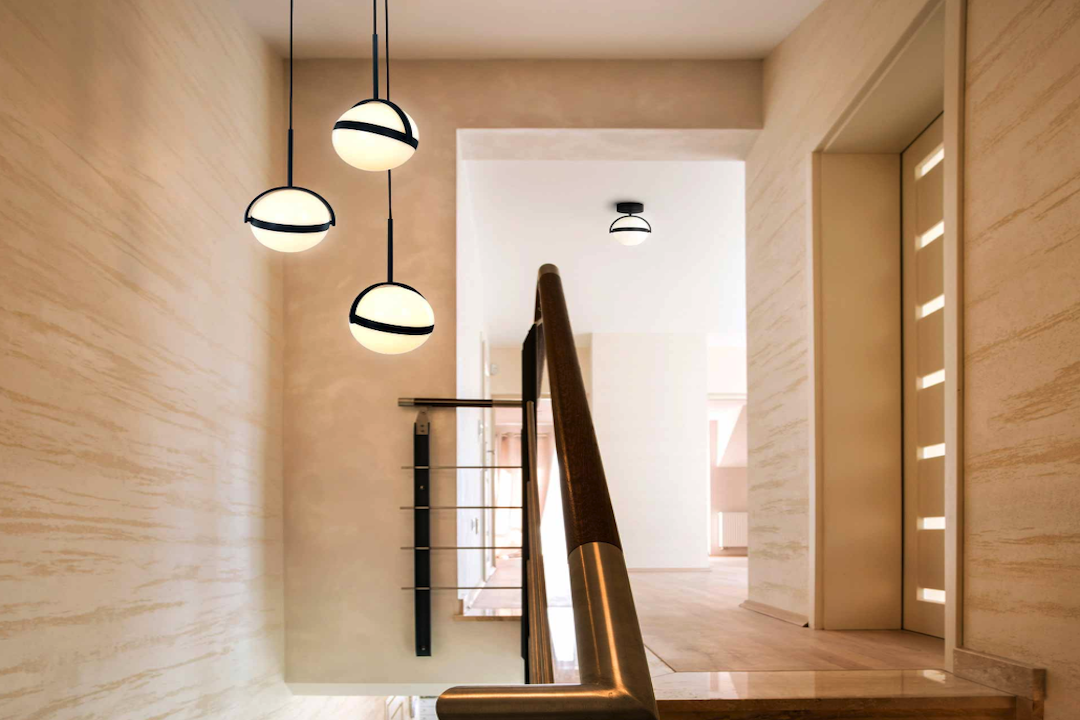
In modern homes with open staircases, a pair of cascading pendants can create a dramatic statement while providing practical illumination for the ascent and descent. The length of the chain allows for variation in the hanging height, creating a dynamic visual flow down the stairwell.
Materials and Construction Quality
The longevity and aesthetic integrity of stylish chain suspension pendant pairs are directly linked to the quality of their materials and construction. As a discerning consumer, you should evaluate these aspects carefully.
Metal Finishes and Durability
High-quality metal finishes, such as brushed brass or polished chrome, are typically applied using electroplating or powder coating processes. These methods offer superior adhesion and resistance to corrosion, tarnishing, and scratching compared to cheaper alternatives. Inspect the consistency of the finish – it should be uniform without blemishes or thin spots. The chain itself should be robust and securely connected to both the ceiling plate and the pendant body.
Glass Quality
For pendants incorporating glass, look for clarity, uniformity, and the absence of imperfections like bubbles or streaks. Hand-blown glass offers unique character but should still maintain a level of consistent quality. Tempered glass is a safer option for larger or exposed glass elements, as it shatters into smaller, less dangerous pieces if broken.
Internal Components and Wiring
The electrical components, including the lamp holder (socket), wiring, and connections, should meet relevant safety standards (e.g., UL, CE). Wires should be clearly insulated and neatly routed. A heavy-duty chain indicates it can bear the weight, and well-designed strain relief at the connection points prevents stress on the electrical wires.
Assembly and Craftsmanship
Examine the overall assembly. Joints should be tight and precise, with no visible gaps or misalignments. Screws and fixings should be neatly recessed or aesthetically integrated. The weight distribution should feel balanced. These details, though sometimes subtle, speak volumes about the manufacturer’s commitment to quality. A well-constructed pendant feels solid and substantial.
Maintenance Considerations
Consider the ease of cleaning and bulb replacement. Designs with intricate details might accumulate dust more readily. Globes or shades that are difficult to remove could make bulb changes inconvenient. The chosen materials should be amenable to standard cleaning practices without risk of damage or tarnishing.
Emerging Trends and Future Directions
The design landscape for modern lighting is constantly evolving, and chain suspension pendant pairs are not immune to these shifts. Awareness of these trends can help you make informed decisions.
Smart Lighting Integration
The integration of smart technology is a growing trend. Pendants equipped with smart bulbs (Zigbee, WiFi) or integrated LED systems allow for remote control, dimming, color temperature adjustment, and even scheduling through smartphone apps or voice assistants. This offers unparalleled flexibility in controlling ambiance.
Sustainable Materials and Manufacturing
There is an increasing emphasis on sustainability. Manufacturers are exploring the use of recycled metals, responsibly sourced wood, and energy-efficient LED technologies. The entire lifecycle of the product, from raw material extraction to end-of-life disposal, is gaining importance. Look for certifications or stated environmental policies from manufacturers.
Customization and Modularity
Some brands are offering modular pendant systems where various shades, chains, and finishes can be mixed and matched. This allows for a greater degree of customization, enabling you to tailor the fixture precisely to your aesthetic and functional requirements. It’s akin to having a bespoke suit, but for your lighting.
Biophilic Design Principles
Incorporating natural forms, textures, and even live planting features is a growing trend known as biophilic design. While not always directly applicable to metal chain pendants, some designs might use organic shapes or natural material accents to bring a touch of the outdoors inside. The aesthetic aims to reduce stress and improve well-being by connecting occupants with nature.
Minimalist Evolution
While minimalism remains a core principle, its interpretation continues to evolve. We might see even purer forms, invisible fixings, and sophisticated integration of very small light sources (micro-LEDs) to achieve a “barely there” aesthetic while still providing ample illumination. The idea is to achieve maximum effect with minimal physical presence.
By focusing on these practical and analytical aspects, you can confidently select “Stylish Chain Suspension Pendant Pairs for Modern Interiors” that not only enhance the aesthetic appeal of a space but also deliver reliable and functional illumination for years to come.