Embracing Japandi: Pleated Fabric Pendant Lamp
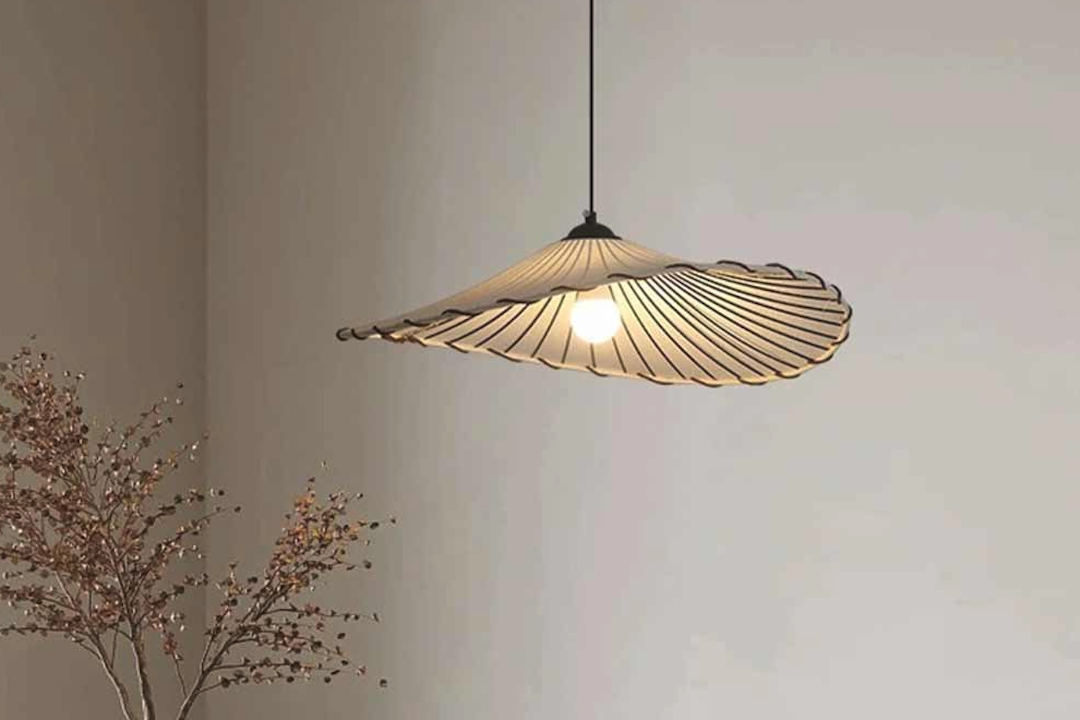
Japandi design, a beautiful blend of Japanese minimalism and Scandinavian warmth, is all about creating serene, functional spaces. And when it comes to lighting, a pleated fabric pendant lamp is often the perfect accompaniment. These lamps aren’t just light sources; they’re softly glowing sculptures that embody the core principles of Japandi – clean lines, natural materials, and a sense of calm. They diffuse light gently, adding to the tranquil atmosphere without being overly dramatic or stark.
Japandi thrives on natural textures and understated elegance. That’s precisely why pleated fabric pendant lamps Nolowa fit so well into this aesthetic. They offer a softness that starker materials like metal or glass often lack, creating a more inviting and harmonious environment.
The Power of Soft Diffusion
One of the main benefits of pleated fabric is its ability to diffuse light. Instead of a harsh glare, you get a soft, ambient glow that’s easy on the eyes. This is crucial for Japandi, where creating a cozy, almost meditative space is key. The fabric acts as a gentle filter, softening the light and eliminating harsh shadows.
Natural Materials and Textures
Japandi leans heavily on natural materials – wood, ceramic, linen, cotton. Pleated fabric lamps often incorporate these elements. Whether it’s a linen shade or a cotton blend, the textile itself adds a layer of organic texture that complements the overall design scheme. This commitment to natural elements helps ground the space and contributes to a sense of authenticity.
Simplicity in Form
The beauty of these lamps often lies in their simplicity. They don’t rely on ornate decorations or extravagant features. Instead, their appeal comes from their clean lines and understated form. This minimalist approach aligns perfectly with Japandi principles, which prioritize functionality and a clutter-free environment.
Key Considerations for Choosing Your Lamp
Picking the right pleated pendant means thinking about more than just aesthetics. There are practical elements that will impact how the lamp functions in your space.
Size and Scale Matters
A common mistake is choosing a lamp that’s either too small and gets lost, or too large and overwhelms the room. Consider the dimensions of your space and the area where the lamp will hang.
Over a Dining Table
For a dining table, a good rule of thumb is to have the lamp be about half to two-thirds the width of the table. This creates a balanced look without feeling top-heavy. You also want to ensure the bottom of the lamp is about 30-36 inches (75-90 cm) above the tabletop so it doesn’t obstruct views or prevent comfortable conversation.
In a Living Area
In a living room, if it’s meant as an accent, a smaller to medium-sized pendant might work well in a corner or above a side table. For a more central lighting solution, you might need a larger fixture, or even a grouping of smaller pendants, depending on the ceiling height and overall room size.
Bedroom Application
In a bedroom, smaller pendants can be a great alternative to bedside lamps, freeing up nightstand space. Hung lower, they create a cozy and intimate feel. In a larger bedroom, a single, modest-sized pendant in the center can provide general ambient light.
Fabric Type and Color Palette
The type of fabric and its color significantly impact the light quality and the overall mood of the space.
Linen and Cotton for Warmth
Linen and cotton are popular choices for Japandi lamps because of their natural origins and their ability to diffuse light warmly. These natural fibers tend to have a slightly textured finish and often come in muted, earthy tones that align perfectly with the Japandi palette.
Paper for Ethereal Glow
While not strictly fabric, pleated paper lamps are also very common in Japandi designs, drawing heavily from traditional Japanese lighting. Washi paper, for example, offers an incredibly soft, even ethereal glow. It’s often more delicate than fabric, so consider its placement carefully.
Muted Neutrals are Best
When it comes to color, stick to a muted, neutral palette. Off-whites, creams, light grays, and soft beiges are ideal. These colors enhance the calm aesthetic and allow the lamp to blend seamlessly into the background, letting its form and the quality of light be the star. Avoid bright, bold colors that could disrupt the tranquility of a Japandi space.
The Importance of Light Temperature
The light bulb you choose is just as important as the lamp itself. For Japandi, warm white light is almost always preferred.
Aim for 2700K to 3000K
Look for LED bulbs with a color temperature between 2700K and 3000K. This range produces a soft, warm glow similar to incandescent bulbs, creating an inviting and cozy atmosphere. Higher color temperatures (like 4000K or 5000K) tend to be cooler and bluer, which can feel harsh and uninviting in a Japandi setting.
Dimmable for Versatility
A dimmable bulb is a fantastic investment. It allows you to adjust the light intensity to suit different moods and activities. Brighten it for tasks, or dim it down for a relaxing evening, enhancing the versatility and comfort of your space.
Where to Place Your Pleated Pendant Lamp
The beauty of these lamps is their versatility. They can elevate various areas of your home, bringing a touch of Japandi serenity wherever they hang.
The Dining Area Focal Point
This is arguably one of the most common and effective placements. A pleated fabric pendant hanging centrally over a dining table creates an intimate atmosphere for meals and gatherings. It casts a soft light that makes food look appealing and conversation feel warm and inviting.
Multiple Pendants for Longer Tables
If you have a particularly long dining table or a breakfast bar, consider hanging two or three smaller pendants in a line. This distributes the light more evenly and creates a more interesting visual dynamic than a single large fixture. Ensure they are spaced proportionally to avoid looking cluttered.
Serenity in the Bedroom
In the bedroom, pleated pendants can replace traditional bedside lamps, freeing up nightstand space and adding a modern, yet tranquil touch.
Bedside Illumination
Hang a small pendant on either side of the bed, perhaps a little lower than you would over a dining table, to create focused reading light and a cozy ambiance. This creates a symmetrical and balanced look.
Central Bedroom Light
For general ambient lighting in a bedroom, a single, larger pleated pendant in the center of the room can work beautifully. Pair it with dimmer switches for ultimate control over the mood.
Welcoming Entryways
An entryway is your home’s first impression. A well-chosen pleated pendant here can set a calming and welcoming tone right from the start.
Gentle First Impression
A modest-sized pendant in an entryway or foyer provides soft, diffused light that’s much more inviting than harsh overhead lighting. It immediately signals a sense of calm and tasteful design.
Consider Ceiling Height
If you have a high ceiling in your entryway, you can opt for a larger pendant with a longer cord to ensure it hangs at an appropriate level and makes an impact.
Living Room Accents
While often seen as primary light sources, these pendants can also function as beautiful accent lighting in a living room.
Over a Coffee Table
A well-placed pleated pendant over a coffee table can define a seating area and provide soft, ambient light for evening relaxation. It becomes a sculptural element that draws the eye.
Defining a Reading Nook
If you have a dedicated reading nook or a comfortable armchair, a smaller pleated pendant can provide gentle task lighting without being too bright. It creates a defined, cozy zone.
Maintenance and Care for Longevity
Fabric lamps, while beautiful, do require a little more care than their hardier counterparts. But don’t worry, it’s generally straightforward.
Regular Dusting is Key
Dust is the enemy of any fabric lamp, as it can dull the light and make the lamp look dingy.
Feather Duster or Microfiber Cloth
For routine cleaning, a quick once-over with a feather duster or a soft, dry microfiber cloth is usually enough to keep dust at bay. Do this regularly, perhaps once a week or every other week, depending on how dusty your home gets.
Vacuum Cleaner Attachment
For more stubborn dust, especially on pleated surfaces where dust can settle in the folds, a soft brush attachment on your vacuum cleaner can be very effective. Use the lowest suction setting to avoid damaging the fabric.
Deeper Cleaning Methods
Occasionally, you might need a more thorough clean, especially if there are any marks or discoloration.
Spot Cleaning for Stains
For small, isolated spots or stains, try spot cleaning. Use a very mild detergent diluted in water. Dab the solution onto a clean white cloth, then gently blot the stained area. Do NOT rub, as this can spread the stain or damage the fabric. Follow with a clean, damp cloth to remove any soap residue, then let it air dry completely. Always test on an inconspicuous area first.
Professional Cleaning Consideration
For significant discoloration, extensive staining, or if you’re not comfortable cleaning it yourself, consider consulting a professional textile cleaner. They have the expertise to clean delicate fabrics without causing damage. However, for most pleated fabric lamps, regular dusting is usually sufficient to maintain their appearance.
Embracing the Japandi Aesthetic with Light
A pleated fabric pendant lamp isn’t just about illuminating a room; it’s about shaping the atmosphere, contributing to the overall sense of peace and balance that Japandi design strives for. By selecting the right size, material, color, and light temperature, and by placing it thoughtfully, you can transform your space into a haven of quiet elegance. It’s a subtle yet impactful way to invite the warmth of Scandinavian design and the serene minimalism of Japanese aesthetics into your home, all through the gentle glow of a beautifully crafted lamp.